




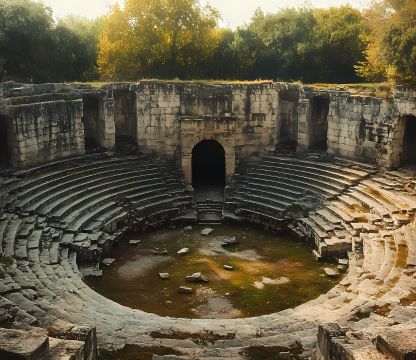
UNESCO cultural sites in Albania
Time to explore UNESCO cultural sites in Albania!
Albania is a country where history, culture, and nature intersect in remarkable ways. From ancient fortresses and Ottoman-era towns to archaeological treasures and Byzantine churches, the country’s heritage is both diverse and deeply rooted. Many of these cultural landmarks have earned global recognition, with several designated as UNESCO cultural sites in Albania.
For travelers eager to dive into Albania’s past and experience its vibrant culture, this guide covers the top 10 UNESCO and cultural sites in Albania you should not miss.
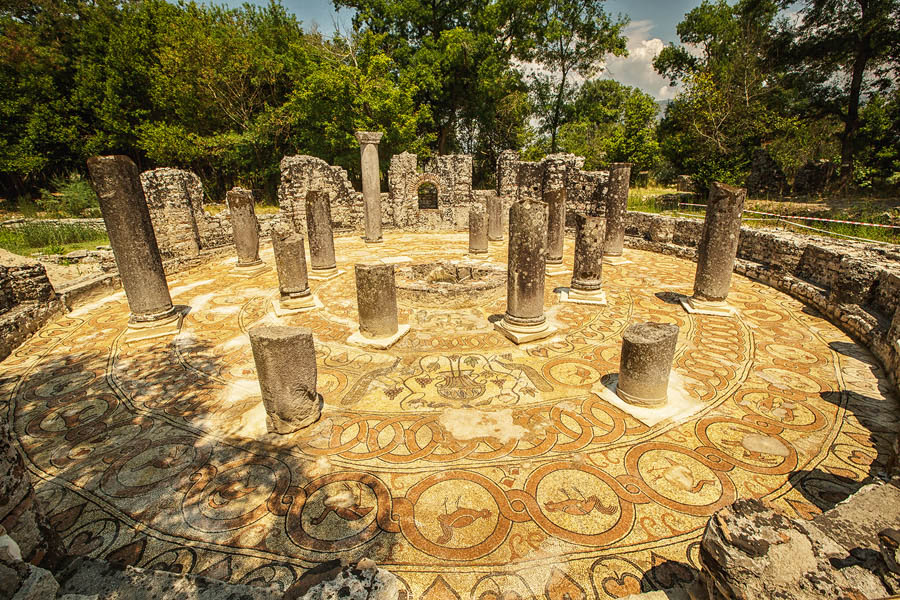
1. UNESCO cultural sites in Albania – Butrint National Park
One of Albania’s most significant archaeological sites, Butrint is a UNESCO World Heritage site that dates back over 2,500 years. Located near Sarandë in southern Albania, Butrint’s ruins tell the story of ancient Greek, Roman, Byzantine, and Venetian civilizations.
Walking through the site, visitors can explore a well-preserved amphitheater, basilicas, city walls, and an ancient baptistery set amidst a lush natural landscape of wetlands and forests. In addition the blend of history and nature makes Butrint a unique destination.
Why visit: Explore layered history, impressive ruins, and beautiful surroundings.
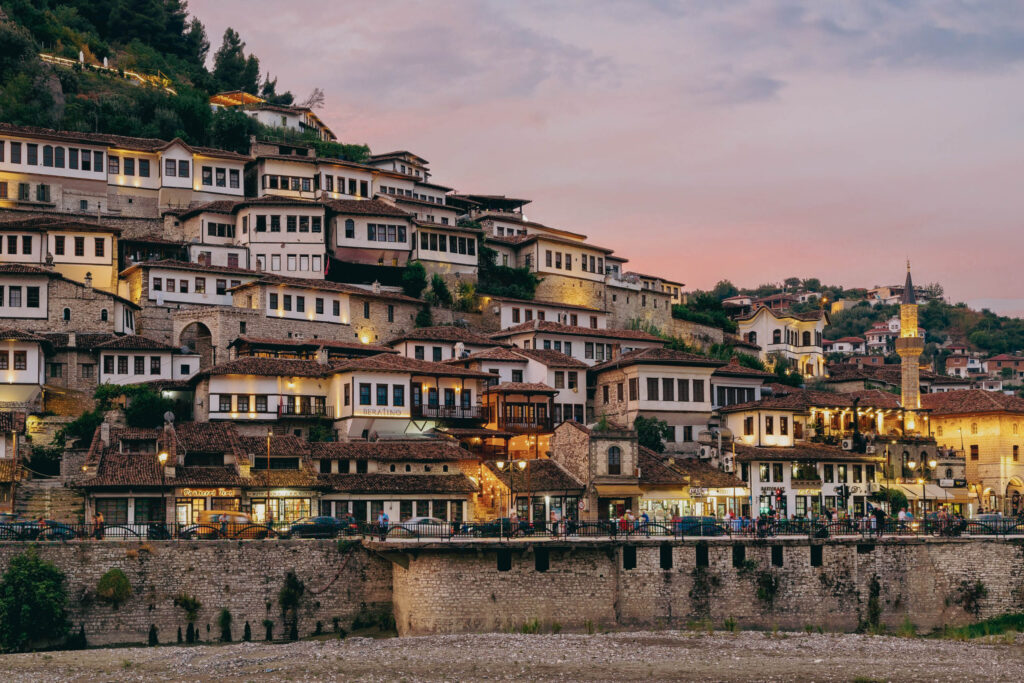
2. UNESCO cultural sites in Albania – Historic Centre of Berat
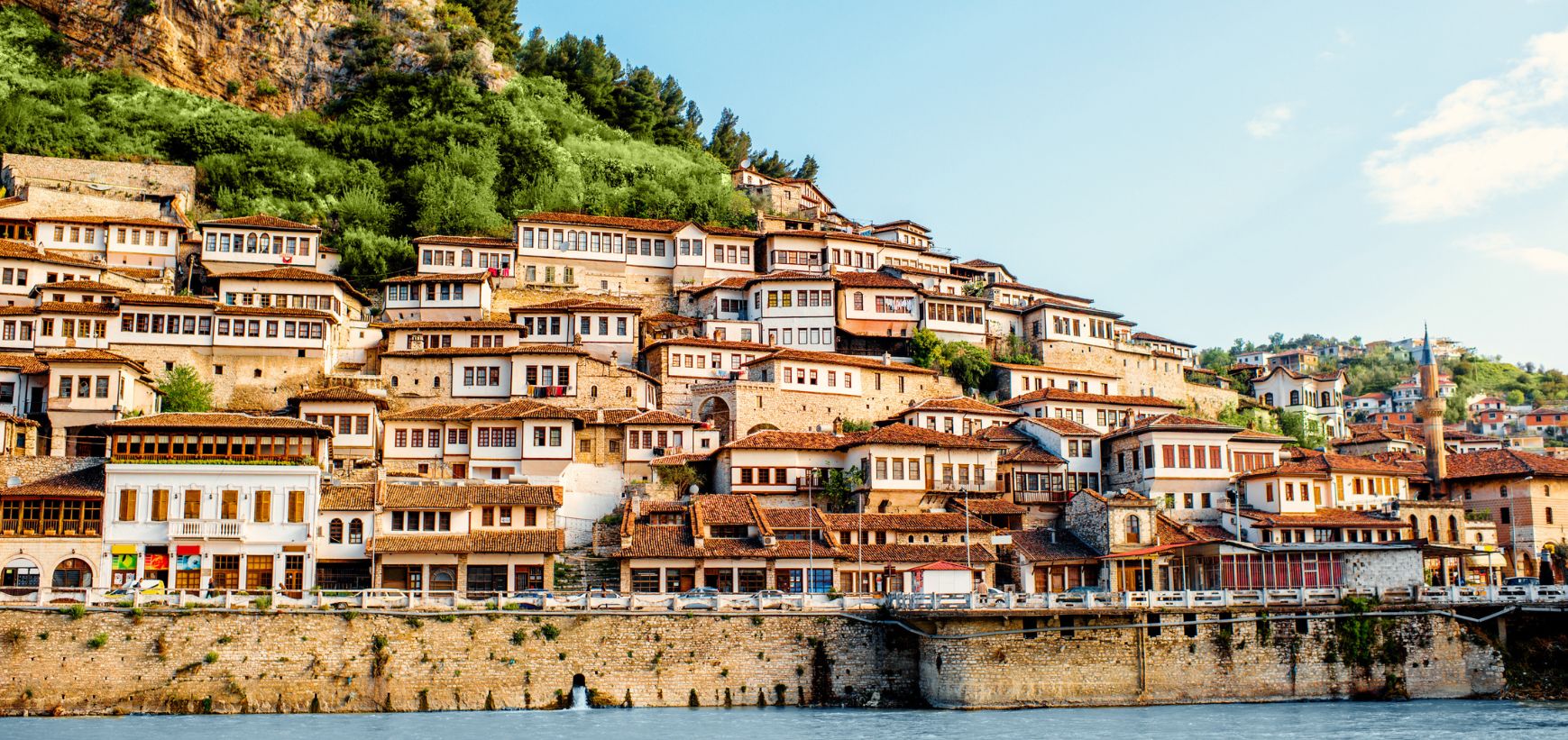
Known as the “City of a Thousand Windows,” Berat is a UNESCO World Heritage site famous for its well-preserved Ottoman architecture. The town’s whitewashed houses with large windows cascade down the hillsides, creating a picturesque view.
The Berat Castle, still inhabited today, houses Byzantine churches and Ottoman mosques and the old town quarters of Mangalem and Gorica reflect centuries of harmonious coexistence between different cultures and religions.
Why visit: Experience Ottoman-era architecture and rich religious heritage.
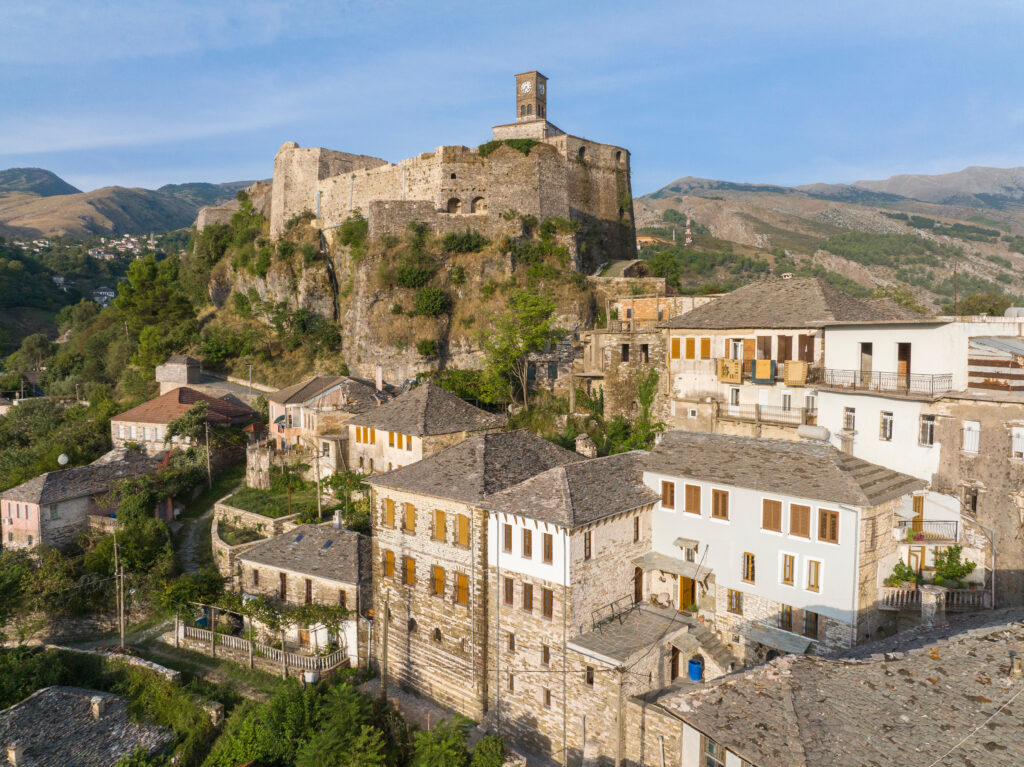
3. UNESCO cultural sites in Albania – Historic Centre of Gjirokastër
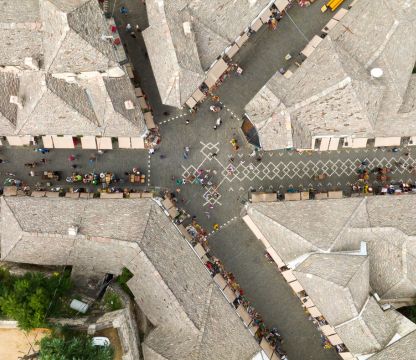
This ancient city, also a UNESCO site, is characterized by its stone-built houses with distinctive slate roofs and cobblestone streets. Gjirokastër’s strategic hilltop fortress dominates the town and offers panoramic views of the Drino valley.
The city is also the birthplace of the famous Albanian writer Ismail Kadare and former communist leader Enver Hoxha, and Gjirokastër’s Ethnographic Museum, located in the former residence of Hoxha, provides insight into traditional life.
Why visit: Discover unique architecture and a rich literary and political history.

4. Apollonia Archaeological Park
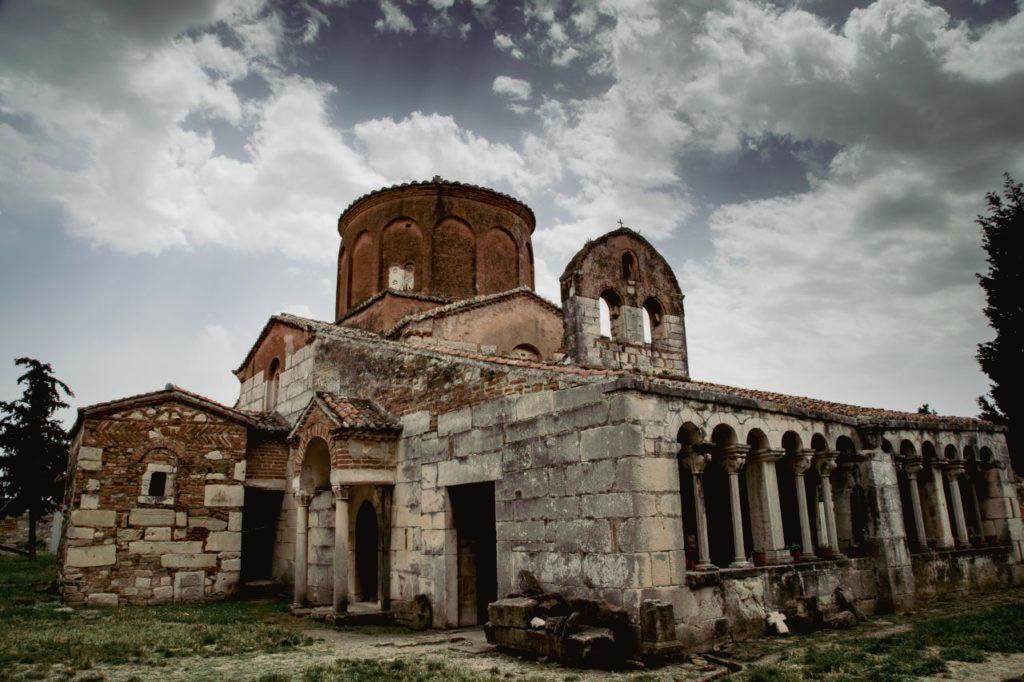
Founded by Greek colonists in the 6th century BC, Apollonia was an important cultural and commercial center in antiquity. The site near Fier includes ruins of a theater, temples, and an ancient library.
Apollonia’s location on a hilltop overlooking the Adriatic coast adds to its appeal. Furthermore this archaeological site compared to others, offers a peaceful atmosphere for exploration.
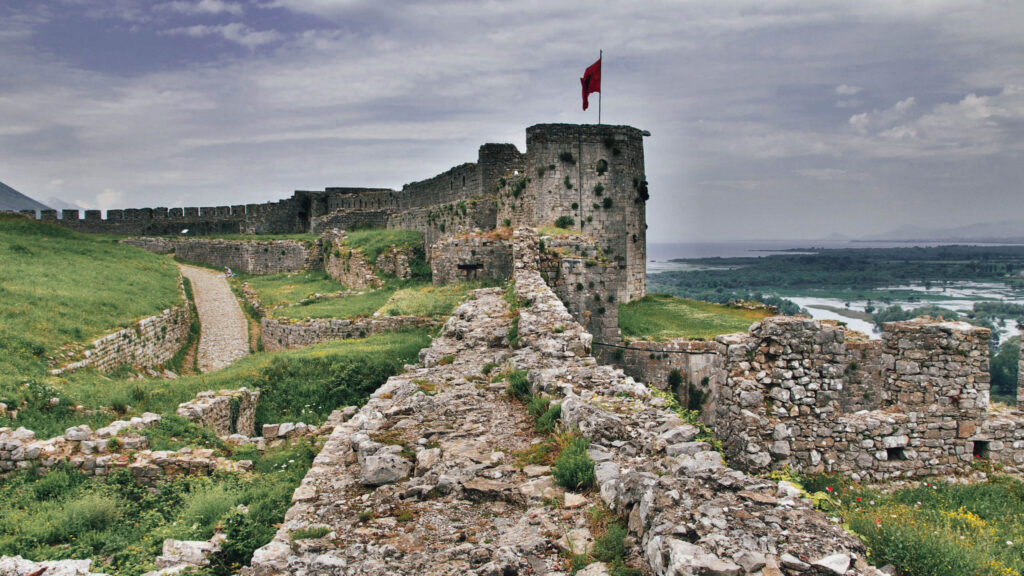
5. Rozafa Castle in Shkodër
While not a UNESCO site, Rozafa Castle is one of Albania’s most iconic cultural landmarks. Perched on a hill overlooking the city of Shkodër and the confluence of three rivers, the castle dates back to antiquity and was rebuilt during Venetian and Ottoman periods.
Moreover, legend says that a woman named Rozafa was immured in the castle walls to ensure its stability, a story that reflects local folklore and the importance of family sacrifice.
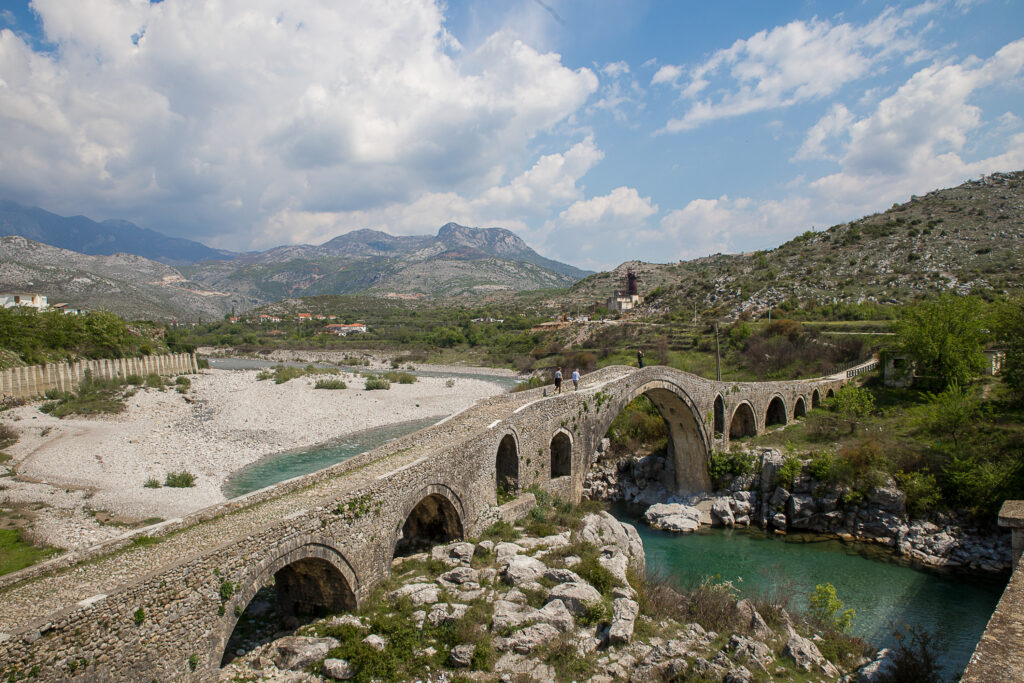
6. The Ottoman Bridge of Mes Bridge
Located near the town of Shkodër, the Mes Bridge is a stunning example of Ottoman-era engineering. Built in the 18th century over the Kir River, it features 13 arches and blends harmoniously with the surrounding nature.
The bridge is still used by locals and stands as a symbol of the Ottoman influence on Albanian infrastructure and culture.
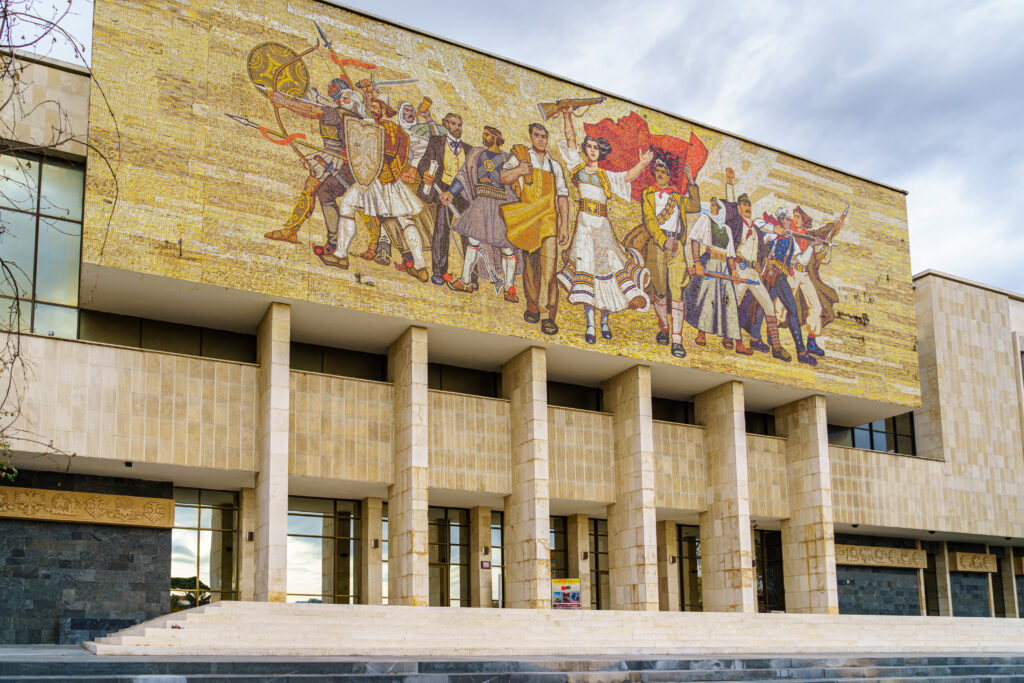
7. The National Museum of History, Tirana
Located in Albania’s capital, this museum is the largest of its kind in the country and a cultural cornerstone. Its iconic mosaic façade welcomes visitors into exhibitions spanning prehistoric times, Illyrian culture, Roman and Byzantine periods, Ottoman rule, and modern history.
Furthermore, the museum offers a comprehensive overview of Albania’s cultural evolution and national identity.
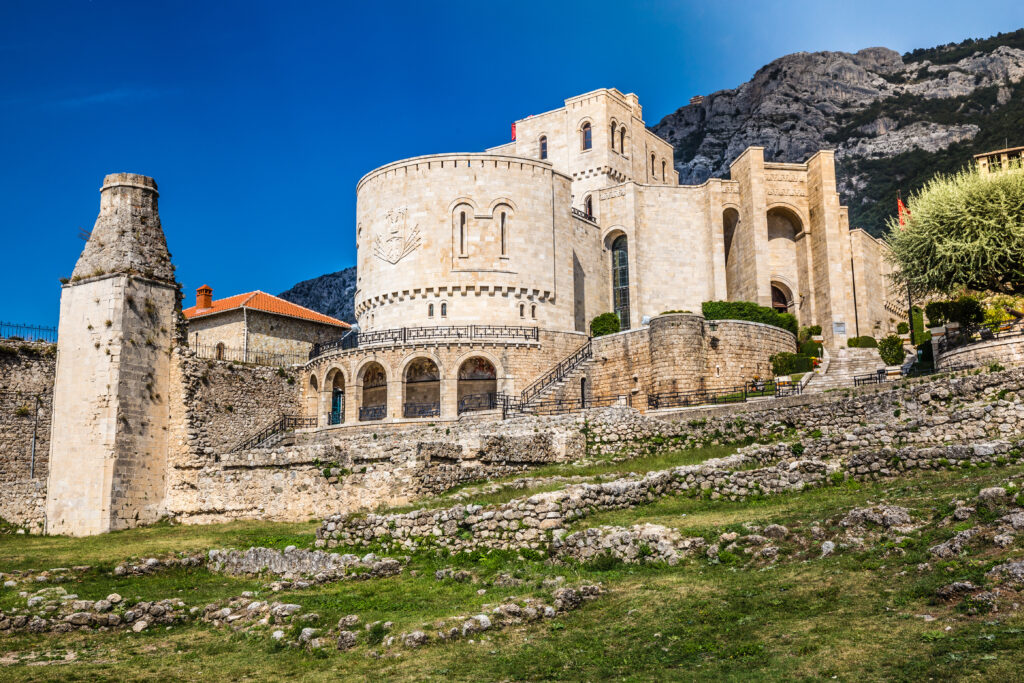
8. Castle of Krujë
Krujë Castle is closely tied to Albania’s national identity as the home of Skanderbeg, the 15th-century hero who resisted Ottoman conquest. The castle now houses the Skanderbeg Museum and the Ethnographic Museum.
The old bazaar near the castle preserves traditional crafts and serves as a lively cultural hub.
9. The Ancient City of Apollonia
Though already mentioned as an archaeological site, Apollonia deserves special attention for its role as a center of culture and learning during antiquity. The site was a hub for philosophy and arts in the region, and its ruins continue to inspire historians and visitors.
Why visit: For lovers of ancient Greek and Roman culture and peaceful ruins.

10. Post-Byzantine Churches of Voskopoja
Voskopoja was once a thriving cultural center in the Balkans, home to many churches known for their exquisite frescoes and architecture. While some churches are in ruins, the remaining ones showcase rich religious art and craftsmanship.
Located in a mountainous setting, Voskopoja offers a blend of cultural heritage and natural beauty.
Why visit: Discover rare religious art and enjoy peaceful mountain surroundings.
Final Thoughts
Albania’s UNESCO and cultural sites provide a window into a country that has been a crossroads of civilizations for millennia. From ancient ruins and medieval castles to Ottoman bazaars and religious frescoes, the cultural landscape is rich, diverse, and well worth exploring.
Lastly visiting these sites not only deepens your understanding of Albania’s history but also supports the preservation of its unique heritage. Whether you’re a history buff, architecture lover, or curious traveler, Albania’s cultural treasures promise an enriching experience.







0 Comments