




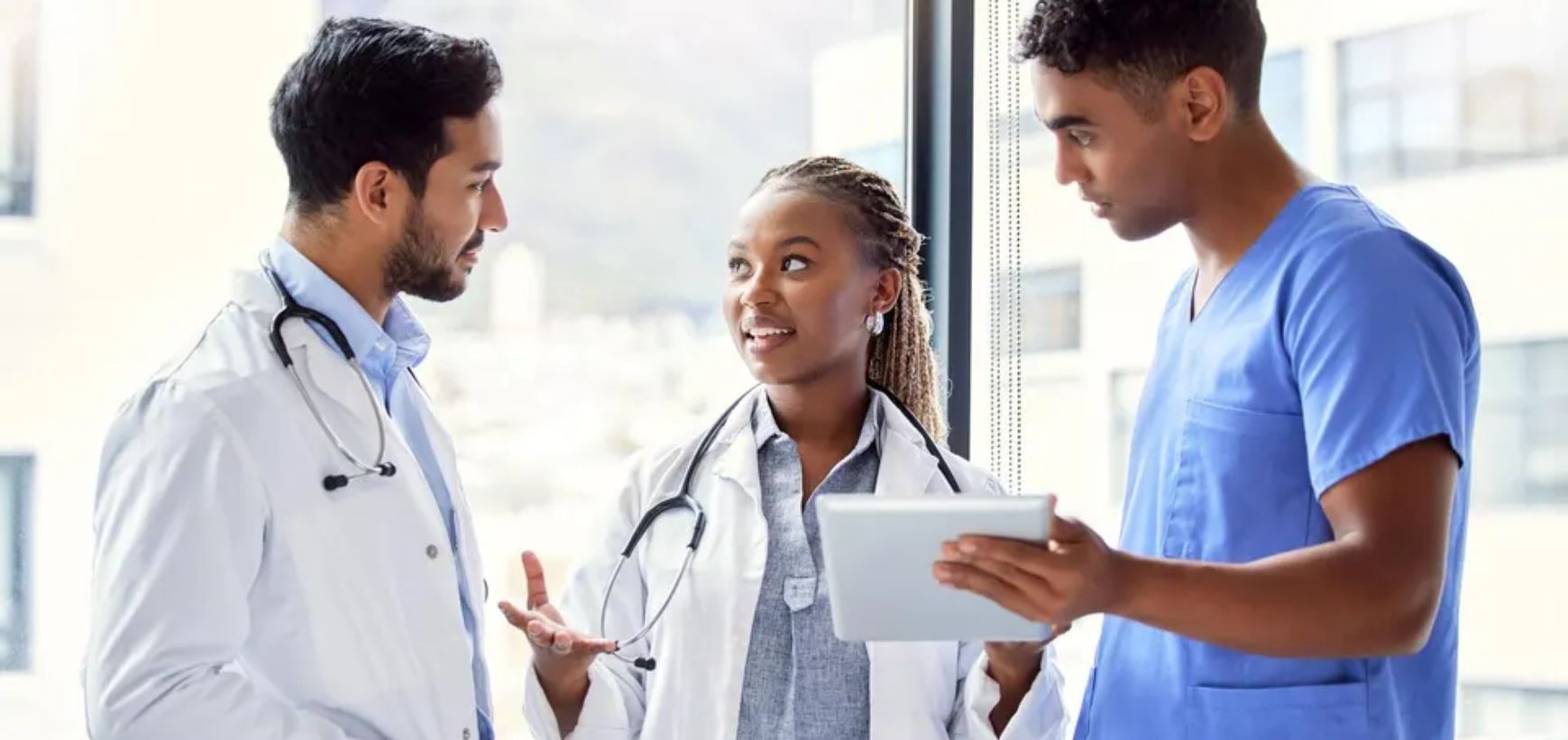
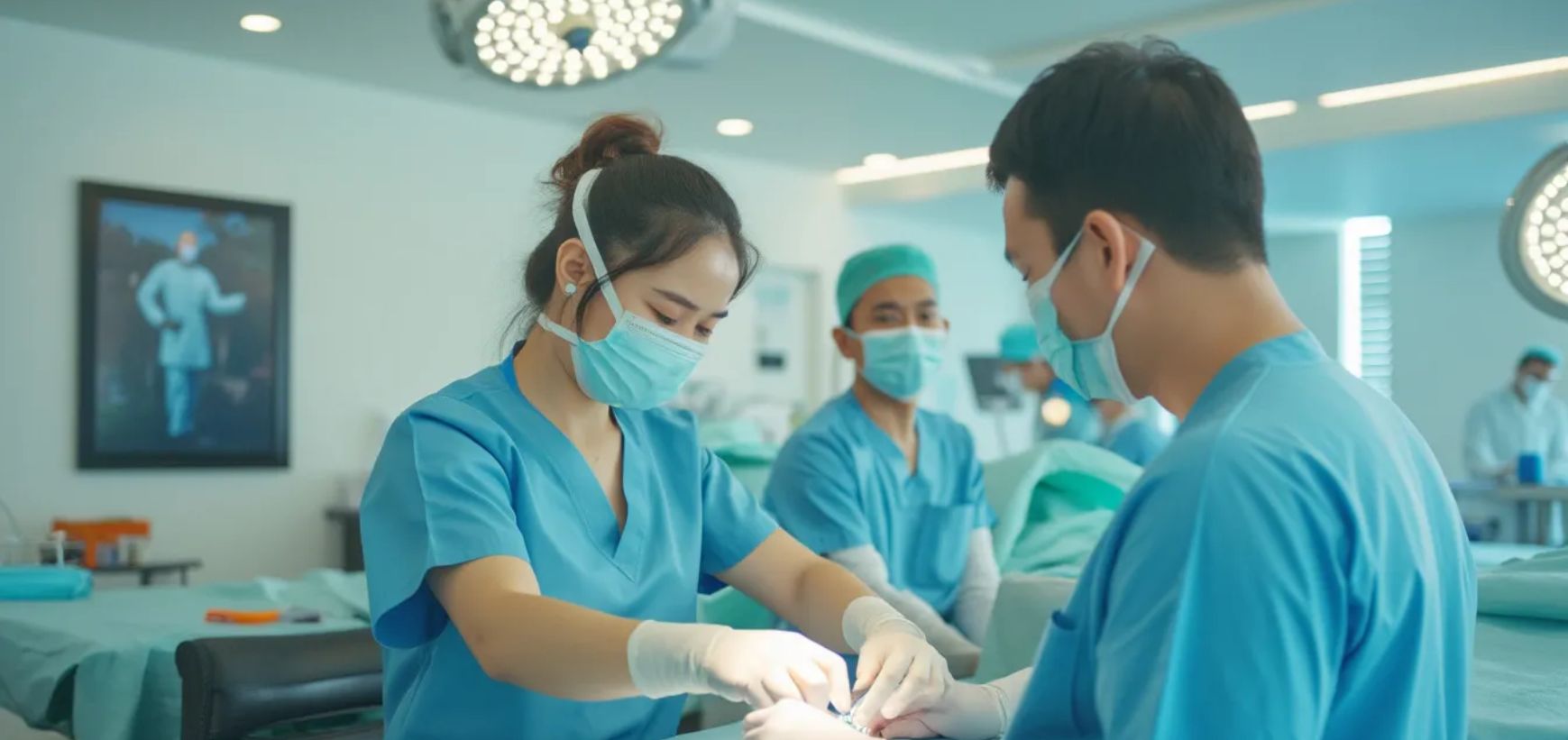
In the bustling corridors of Tirana’s University Hospital Center “Mother Teresa,” a new energy is taking hold. It’s not the hum of machines or the chatter of visiting families, it’s the quiet determination of Albania’s next generation of doctors, nurses, researchers, and digital health innovators, preparing to shape the future of a healthcare system in transition.
As Albania continues to modernize its healthcare infrastructure and expand access to services, a wave of young professionals is stepping up, armed with fresh ideas, global training, and an unwavering commitment to care. They are fluent in both medicine and technology, equally comfortable in hospital wards and research labs. And they’re not just filling gaps, they’re building a new foundation.
A More Global, More Skilled Workforce
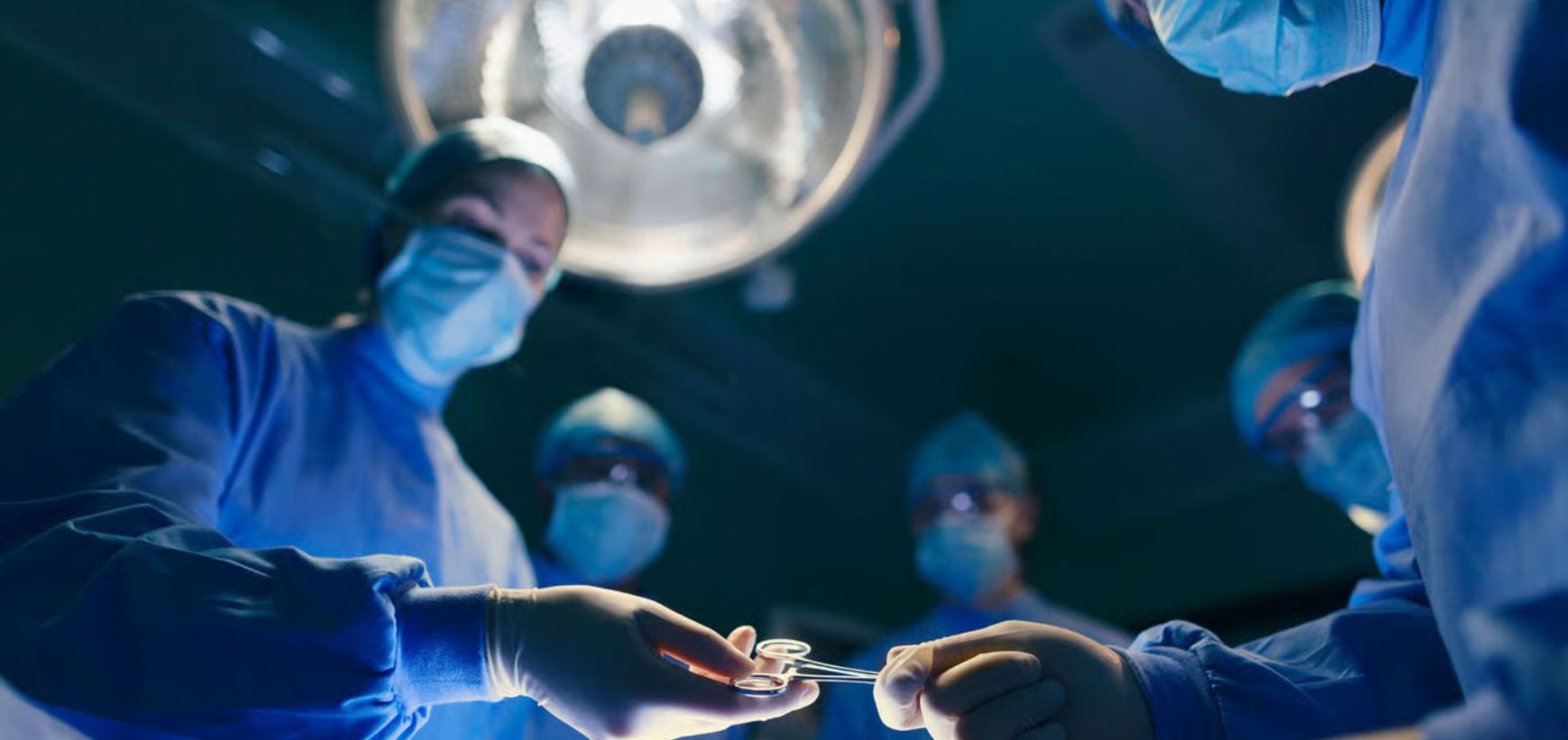
Many of Albania’s rising healthcare professionals have studied abroad, in Italy, Germany, Turkey, and the UK, bringing home international experience and a broadened perspective. Programs like Erasmus+ and bilateral scholarships have enabled Albanian medical students to learn from leading institutions across Europe and return with cutting-edge knowledge in specialties such as oncology, neurology, and robotic surgery.
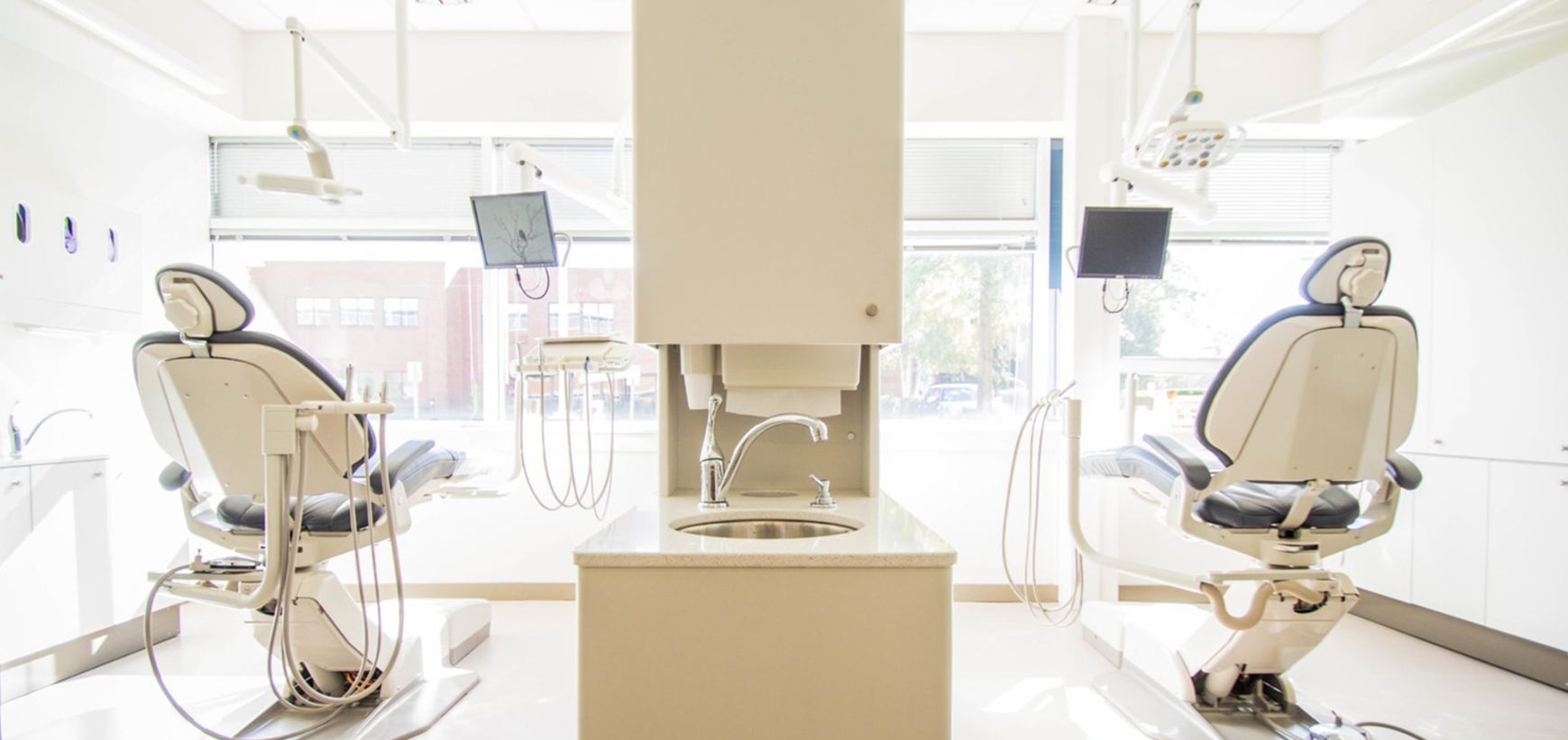
Take Dr. Elira Dervishi, a 31-year-old cardiologist who trained in Milan before returning to Tirana to open a state-of-the-art diagnostic clinic. “I could have stayed in Italy, but I knew my country needed people like me now more than ever,” she says. “We’re not waiting for change, we are the change.”
A Tech-Savvy Generation Redefining Care
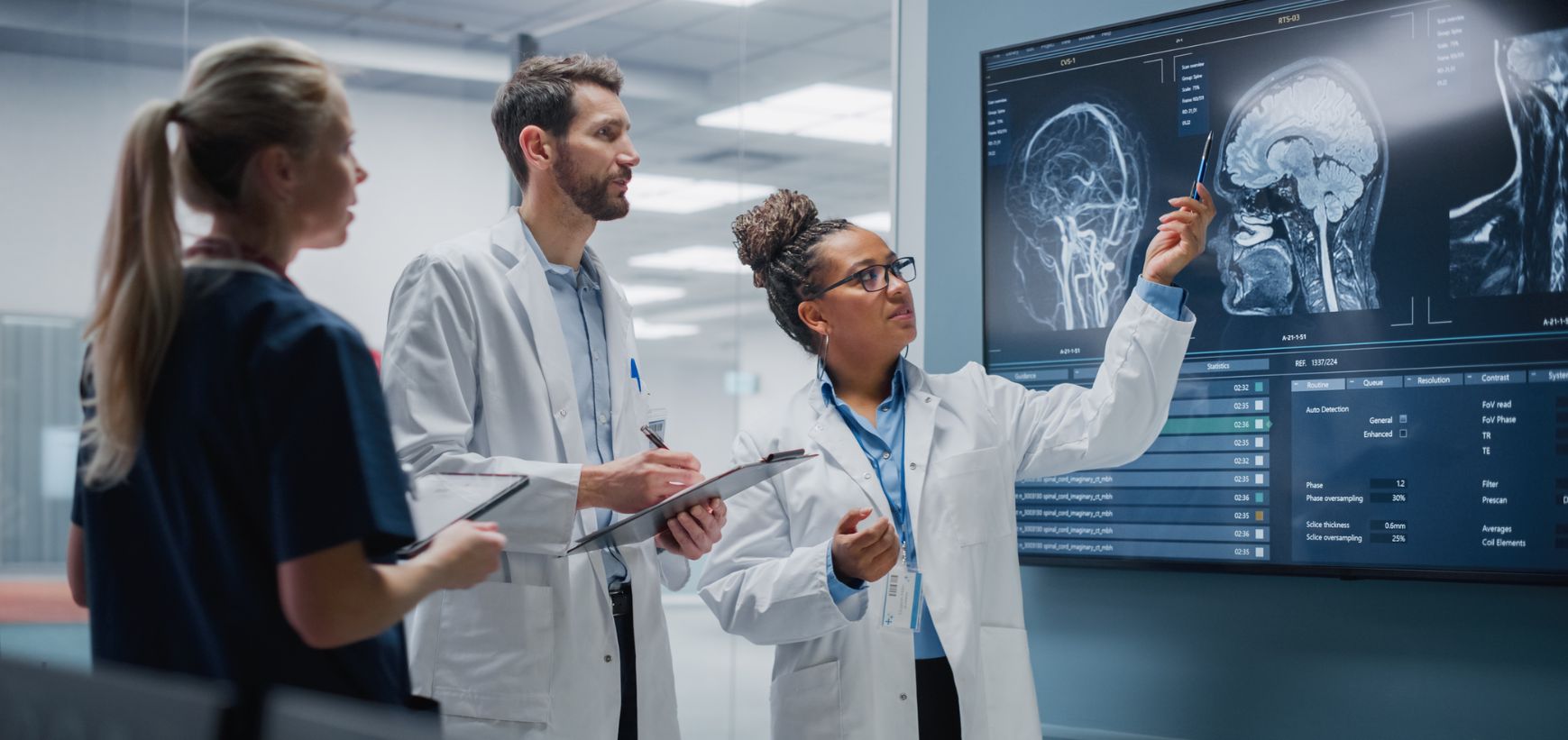
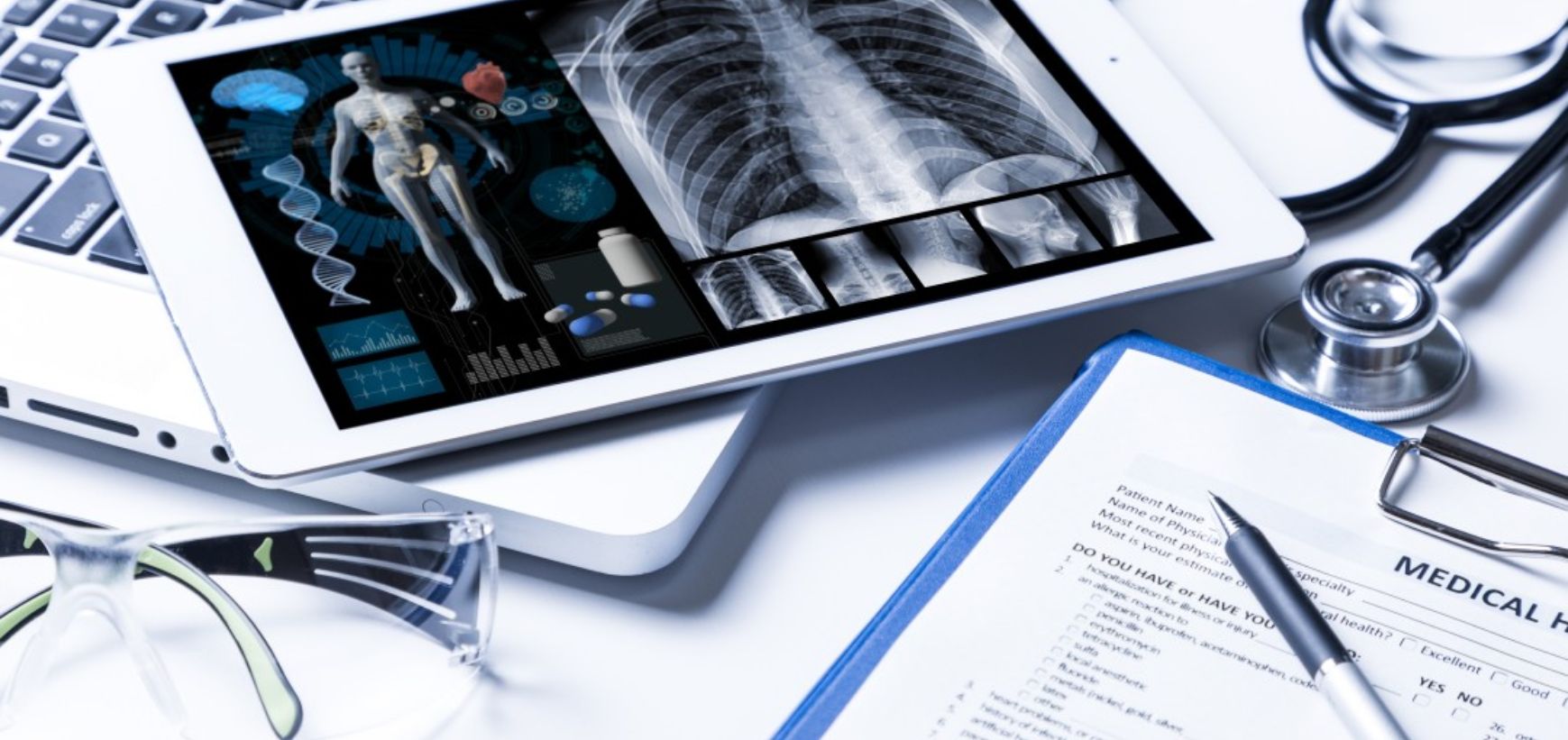
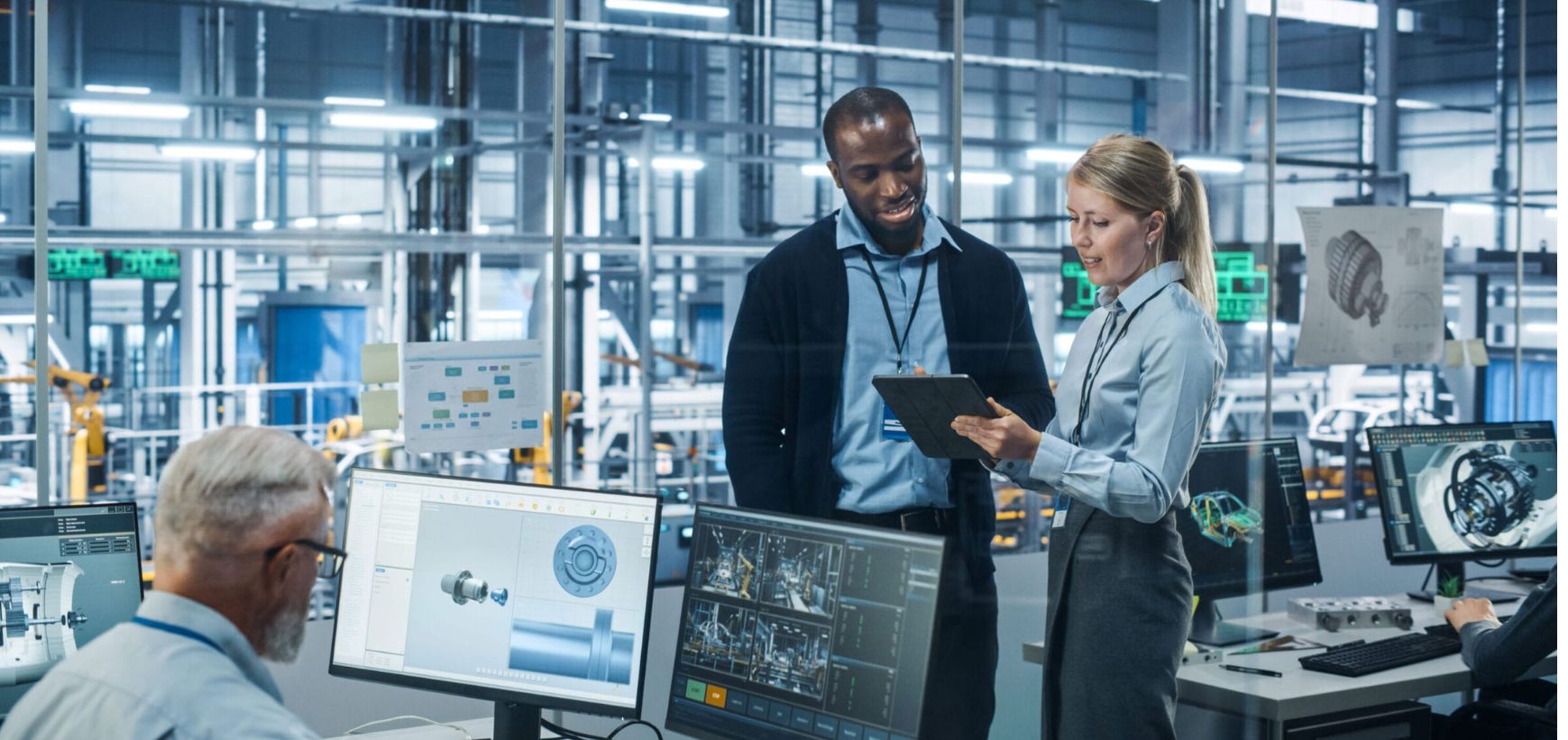
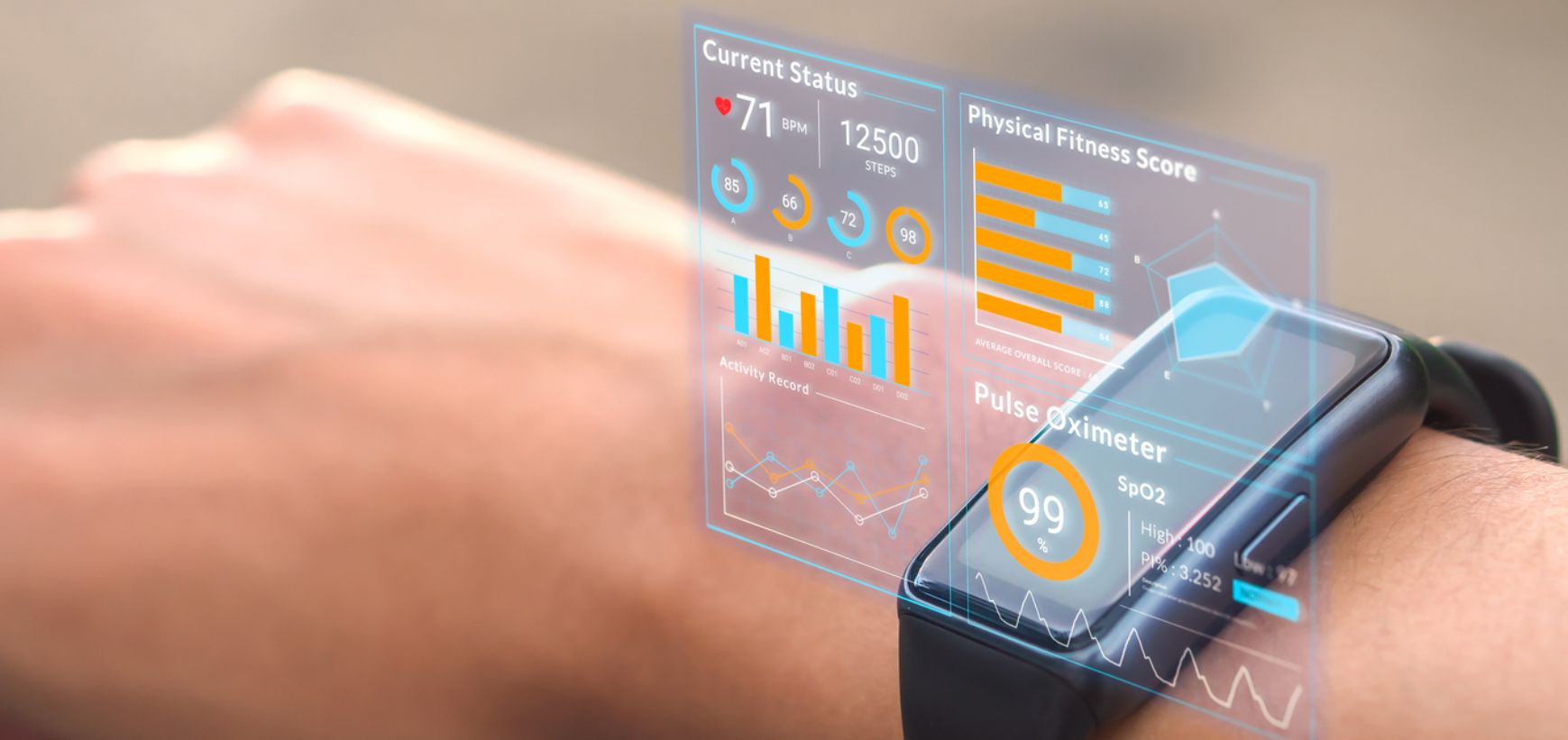
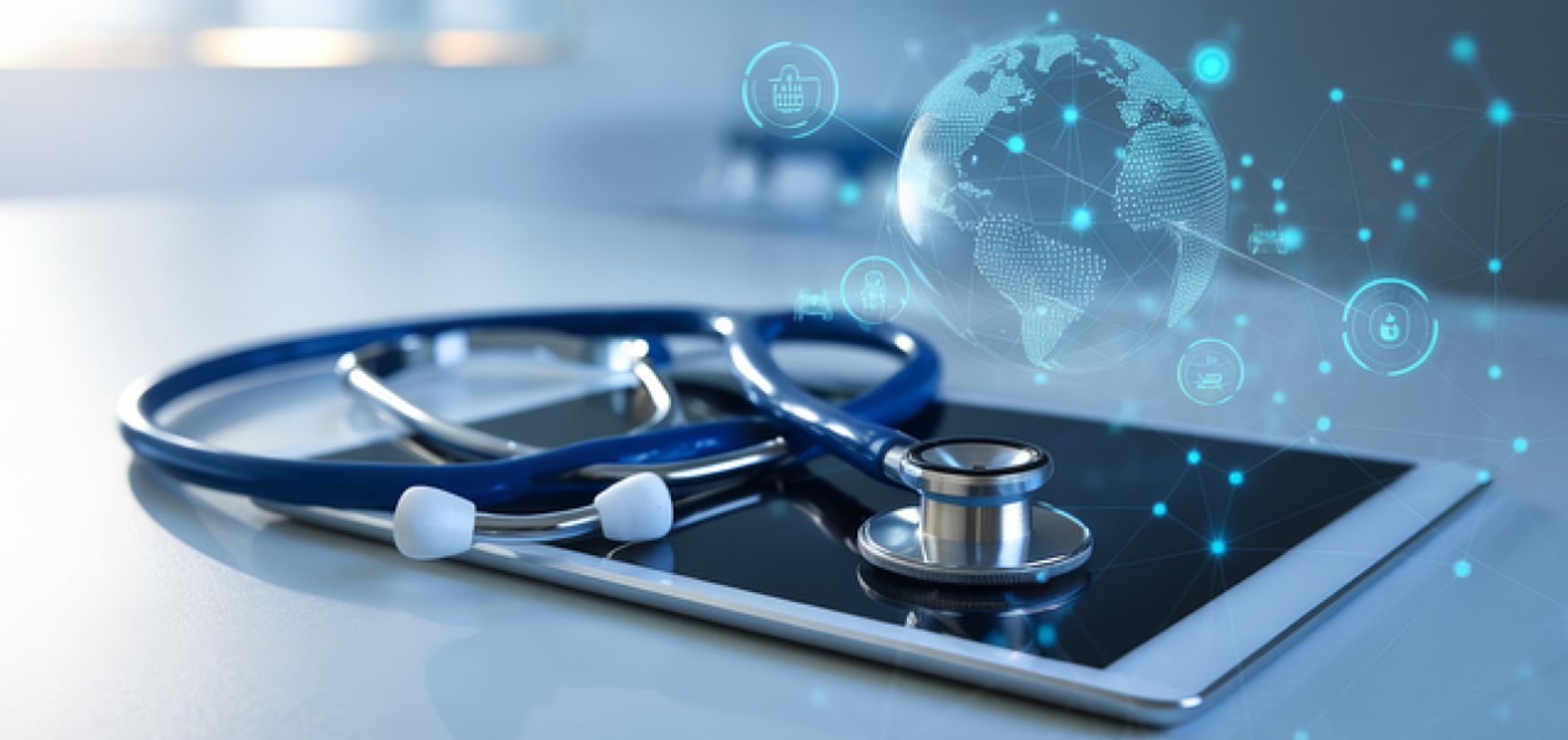
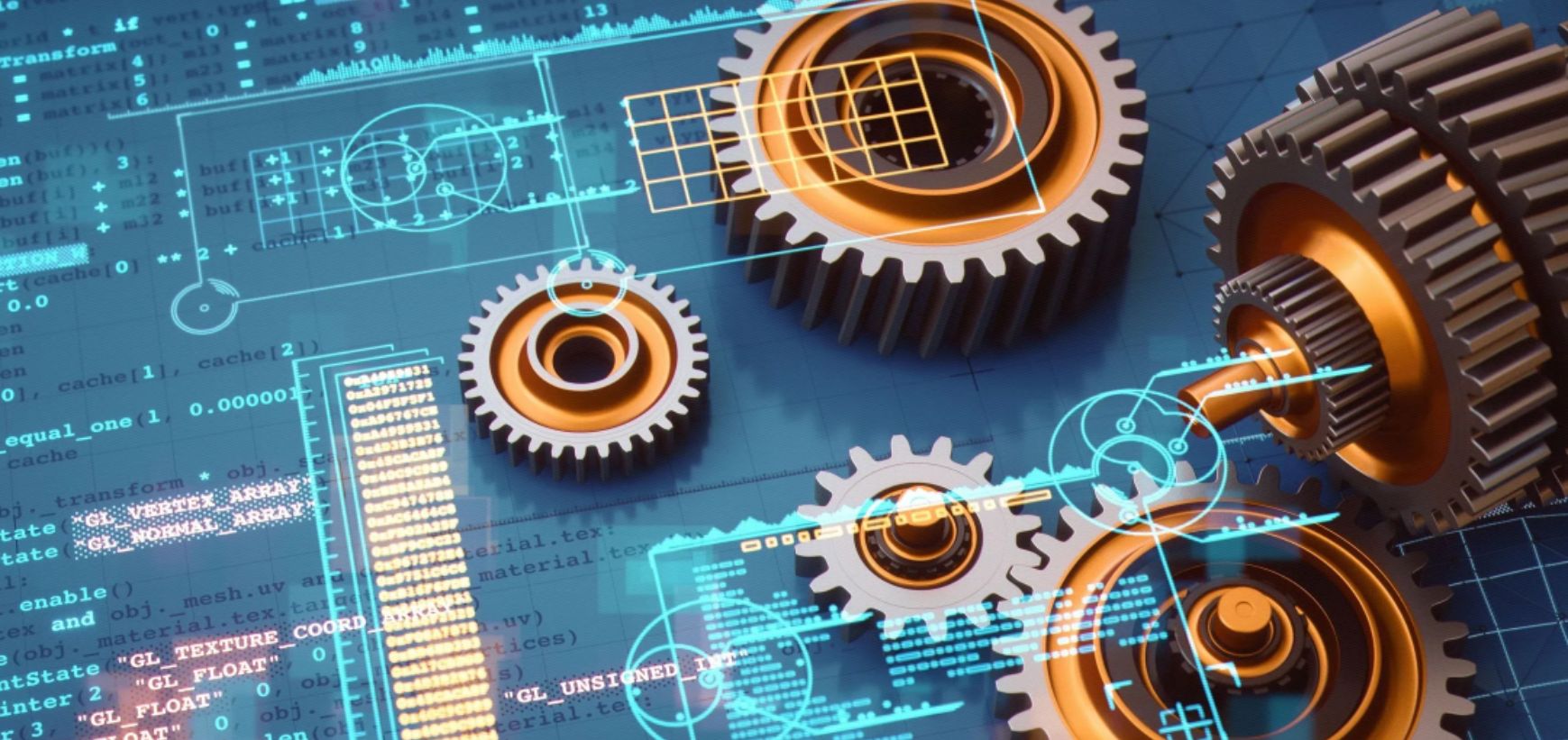
Beyond traditional roles, a growing cohort of health professionals is pushing Albania toward digital transformation. Young developers and medical engineers are building telemedicine platforms, digitizing health records, and developing mobile apps that connect rural patients with urban doctors.
At the Polytechnic University of Tirana, student-led startups are working on wearable tech and AI-driven diagnostics, collaborating with both public health institutions and private investors. The fusion of medicine and tech is no longer a future ambition, it’s a present-day necessity, especially in a country where geographic and economic barriers still limit access to care.
Nursing: A Rising Profession
For decades, nurses in Albania were underpaid and undervalued. Today, that’s beginning to change. A new generation of highly trained nurses is emerging, thanks to strengthened curricula, international partnerships, and rising interest among students in joining a more professionalized healthcare sector.
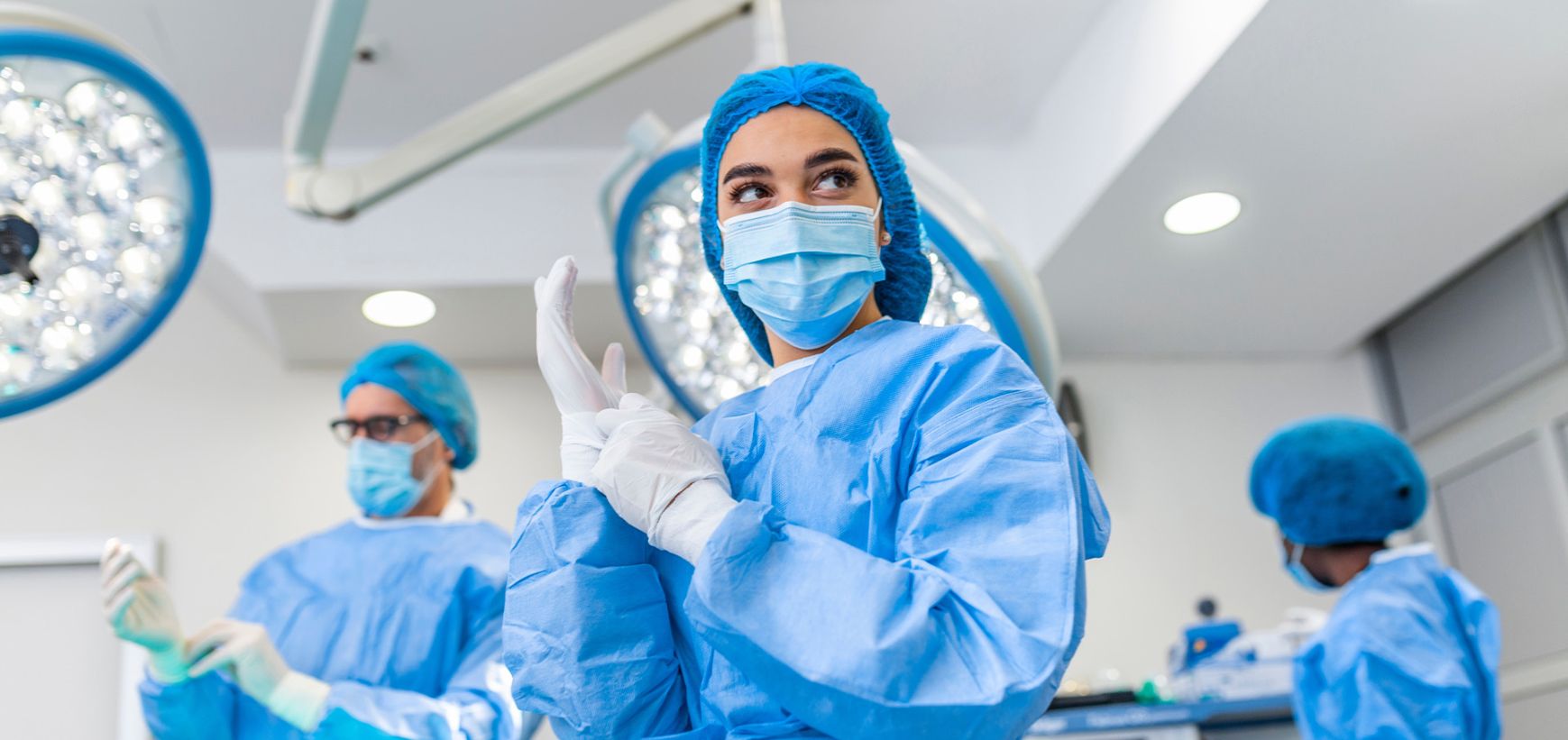
Institutions like the Faculty of Technical Medical Sciences in Tirana are now producing multilingual, digitally literate nurses who are in demand both domestically and across the EU. Some are even returning home after years abroad, drawn by the chance to shape a healthcare system they once left behind.
Challenges Still Loom—but So Does Optimism
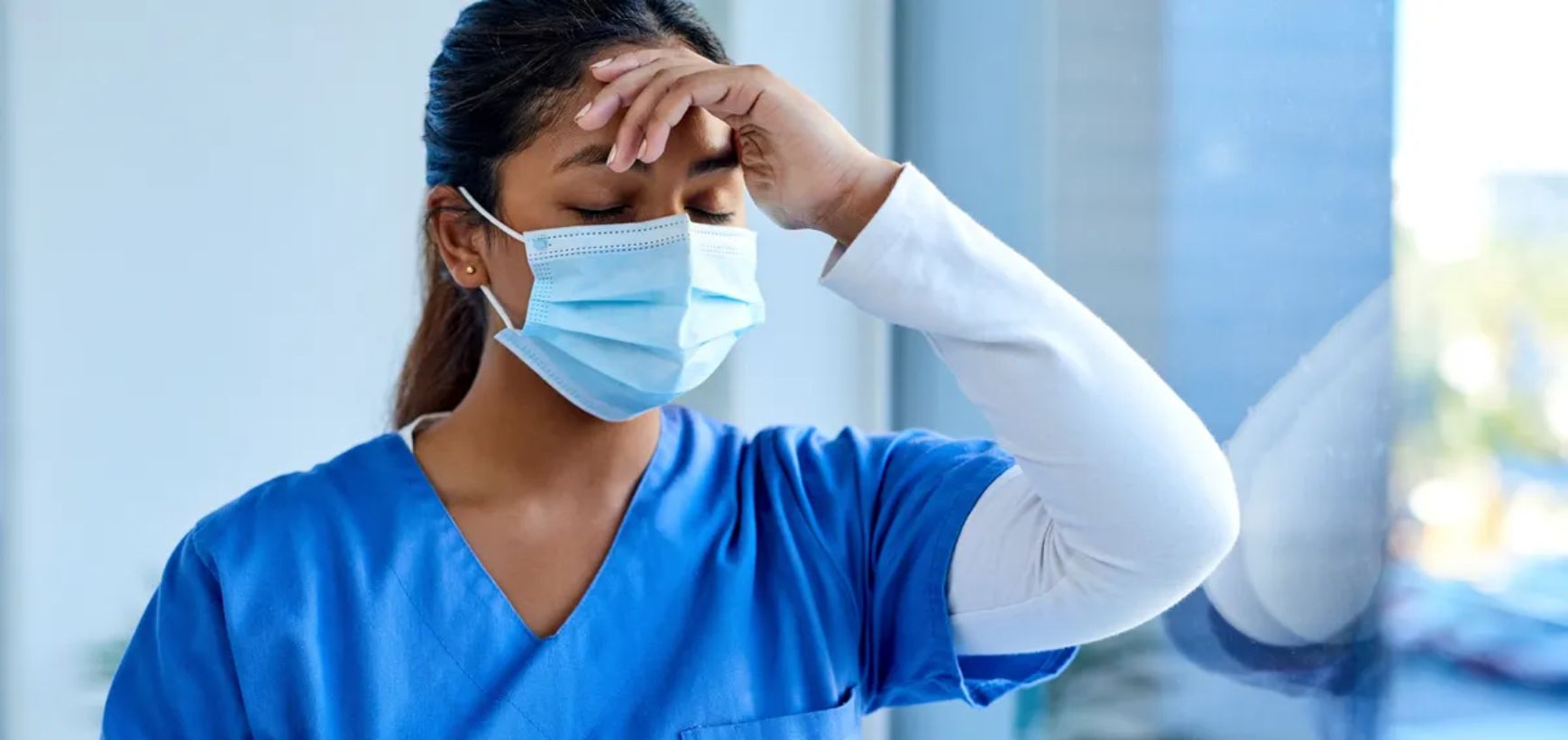
Despite the momentum, young professionals face hurdles: outdated equipment in some hospitals, bureaucratic hurdles, and a slow-moving public health system. However, there’s a palpable shift in attitude. “This generation isn’t disillusioned,” says Dr. Ardit Nako, a public health researcher. “They’re invested in making healthcare here better, not just for themselves, but for future generations.”
The government, too, is taking note. New initiatives like the National Health Strategy 2021–2030 include provisions for continued education, competitive salaries, and funding for tech integration, all aimed at retaining talent and supporting innovation.
The Face of the Future
Walk into any Albanian teaching hospital today, and you’ll meet students who speak three languages, debate the ethics of AI in medicine, and dream of building cancer centers or launching biotech firms. They’re informed, ambitious, and collaborative.
In a region often grappling with brain drain, Albania’s healthcare hopefuls are rewriting the narrative. Not by abandoning their country for better opportunities, but by creating them at home.
In their hands, the future of Albanian healthcare looks not just possible, but promising.

























0 Comments