




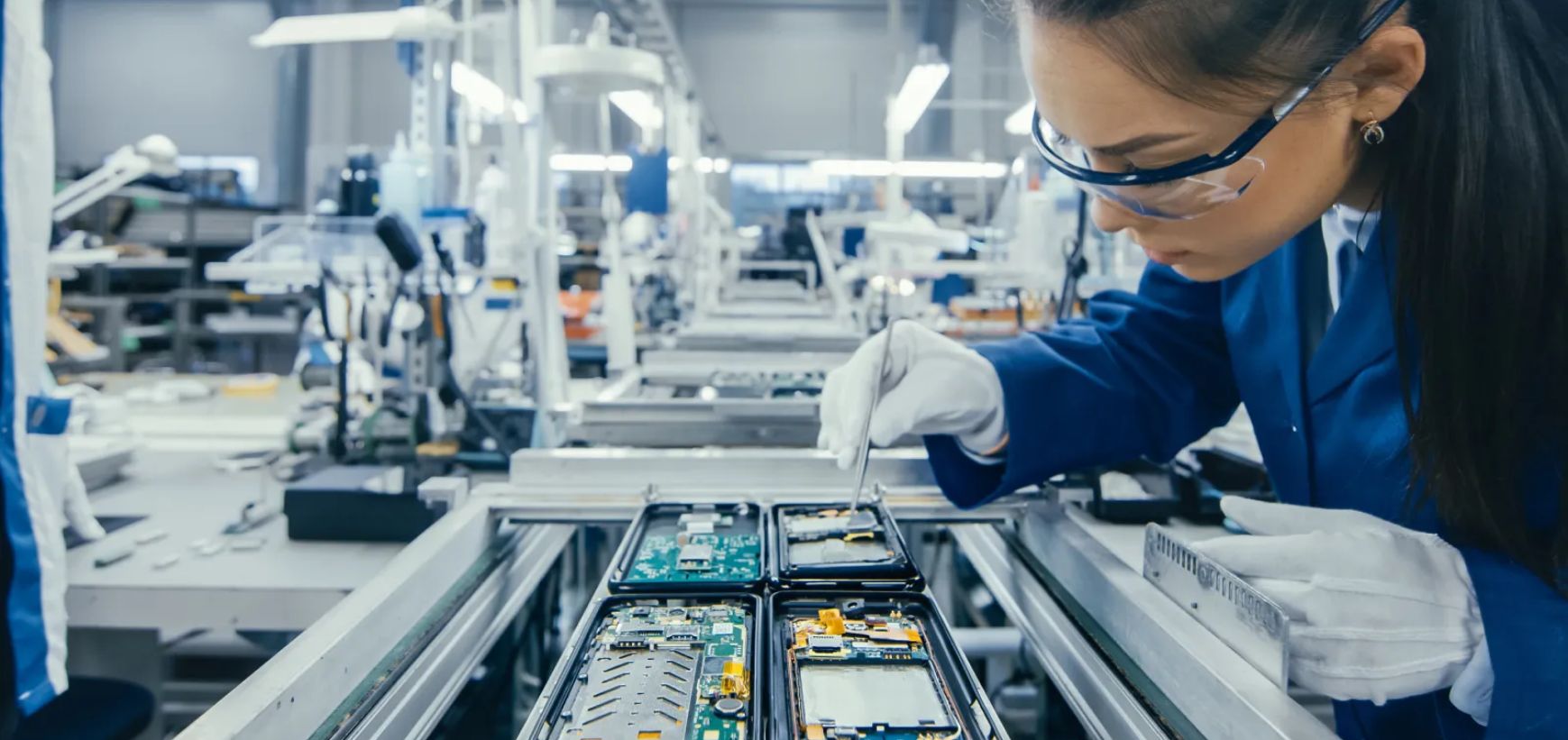
For decades, global investors have sought out low-cost production hubs in Asia and Eastern Europe. Now, a new contender is stepping onto the stage, Albania.
Tucked along the Adriatic Sea, this small Balkan country is offering something increasingly rare in today’s manufacturing landscape: a combination of low operational costs, geographic proximity to the European Union, and untapped potential.
The New Investment Frontier
In recent years, Albania has caught the eye of foreign investors looking to diversify supply chains, cut costs, and remain close to core European markets. As inflation, rising labor costs, and political tensions disrupt traditional manufacturing centers, Albania has emerged as an agile alternative.
“Albania is in a sweet spot,” said Frederik Lenz, a German investor who recently opened a light manufacturing facility near Fier. “It’s cost-effective, logistically sound, and increasingly business-friendly.”
Cost Advantage Without Compromise
Albania offers some of the lowest labor and operational costs in Europe. The average monthly wage in manufacturing remains significantly below that of EU countries, while productivity has been steadily climbing.
Factory rent, utility costs, and taxation are also competitive. The corporate income tax for small businesses sits at just 5%, and the government offers various investment incentives in strategic sectors, including customs exemptions and land lease advantages.
But perhaps more important is Albania’s willingness to adapt. From streamlined business registration to improving customs efficiency, the country is shedding its reputation for red tape.
Young Workforce, Growing Skills
More than 50% of Albania’s population is under the age of 35—a major asset in a continent grappling with demographic decline. This generation is increasingly educated, multilingual, and eager for employment opportunities beyond emigration.
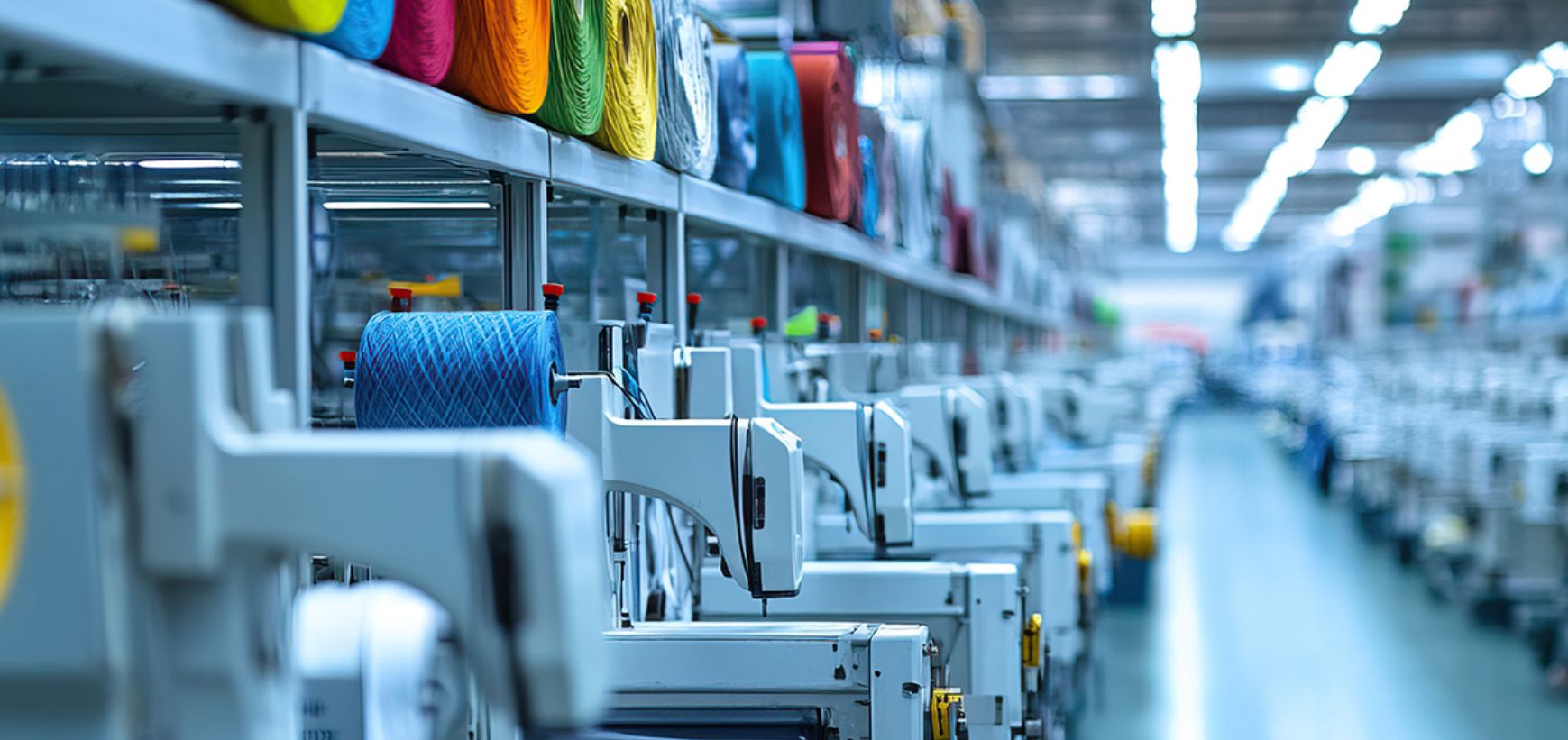
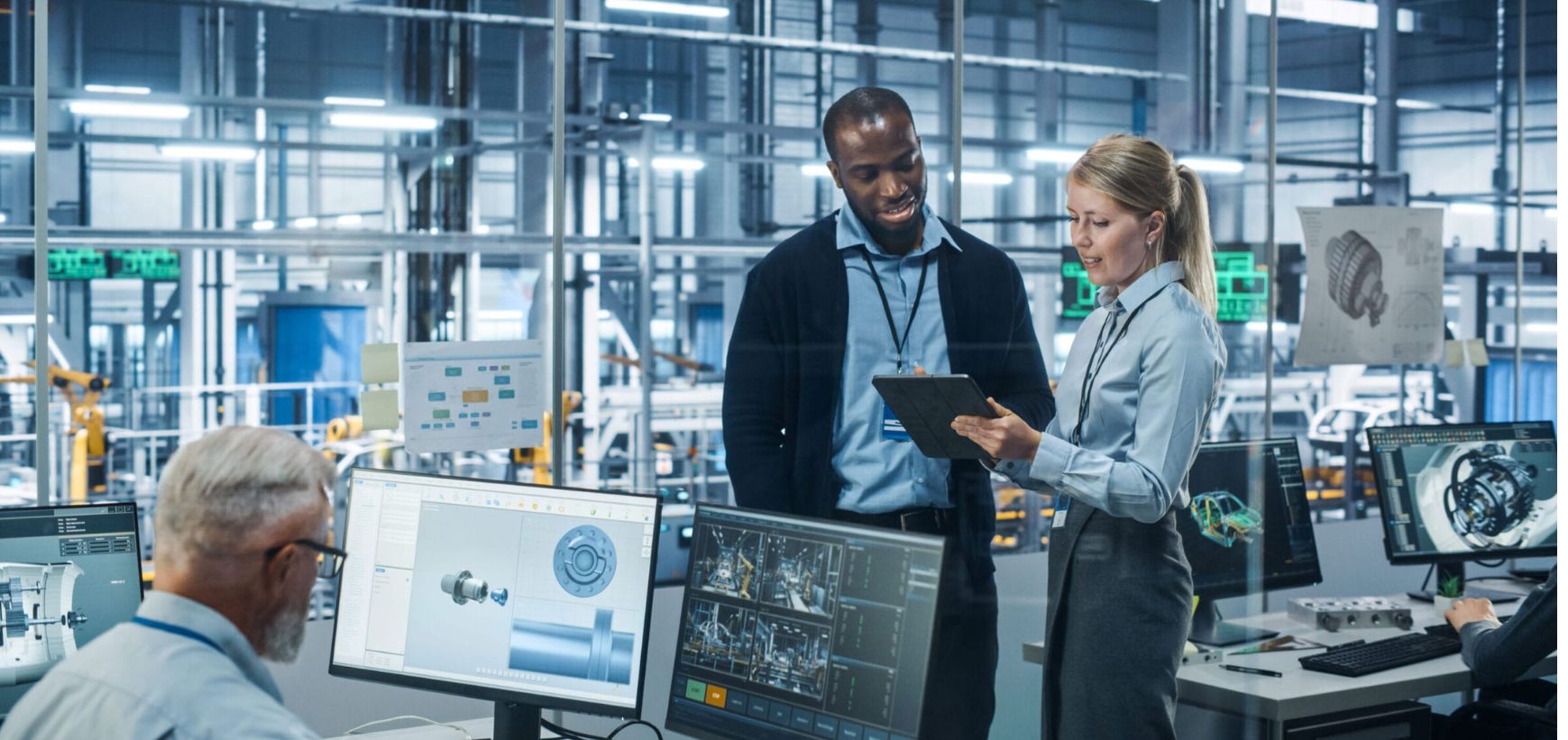
Vocational training centers and public-private education partnerships are helping to close the skills gap, especially in sectors like textiles, machinery, electronics, and renewable energy.
“The talent is here,” said Elira Meta, who heads an industrial park project outside of Elbasan. “What investors need is trust—and we’re building that, day by day.”
Strategic Location, Fast Access
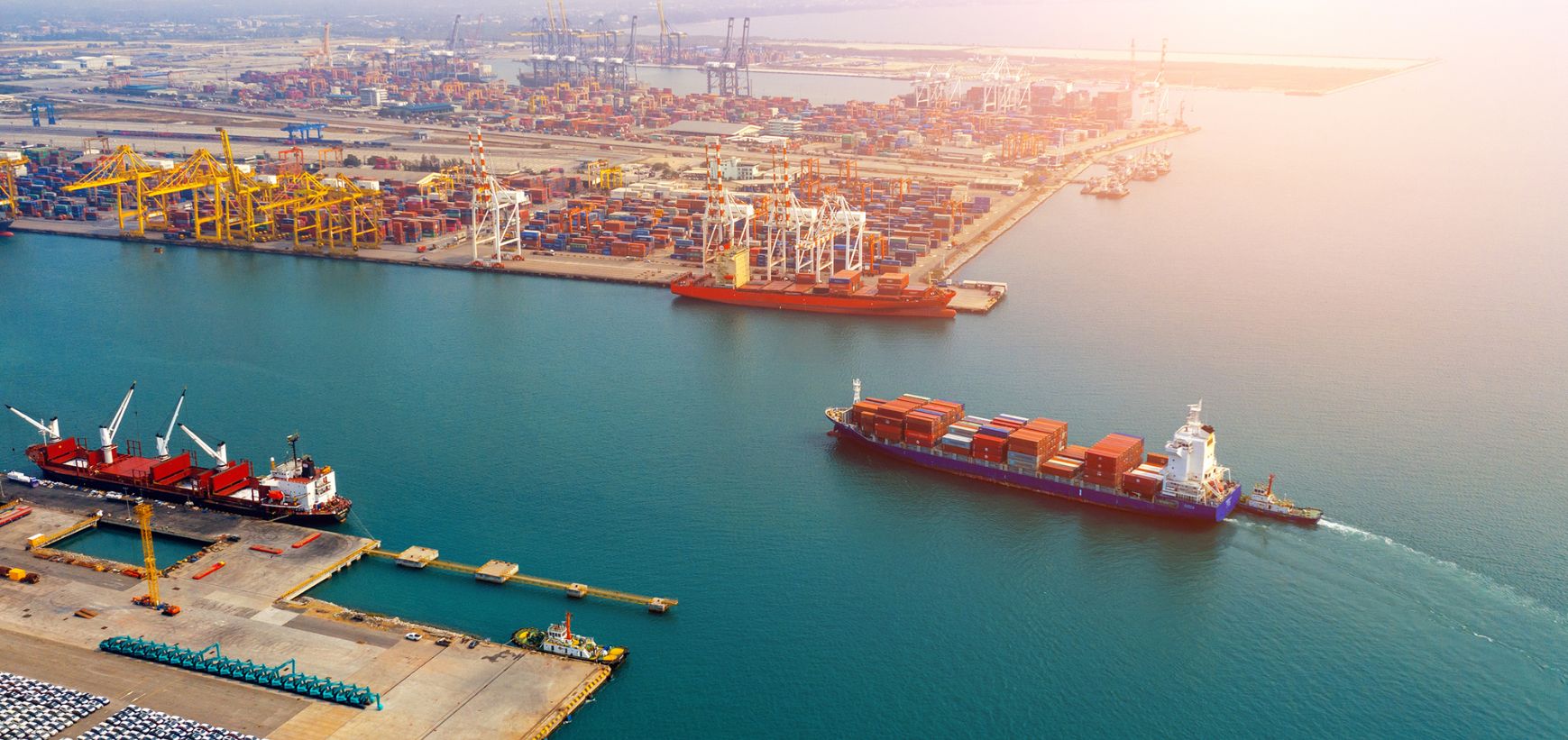
Just a short ferry ride from Italy and hours from major European cities by air or sea, Albania is well-positioned as a nearshoring destination. Two main seaports, Durrës and Vlorë, handle increasing cargo volumes, and ongoing infrastructure upgrades aim to improve road and rail links throughout the region.
The country is part of CEFTA (Central European Free Trade Agreement), and a growing list of bilateral agreements with EU countries is simplifying export-import logistics.
Sectors on the Rise
While textiles and footwear remain central to Albania’s manufacturing output, newer sectors are gaining ground. Investors are now eyeing:
- Automotive components
- Renewable energy equipment
- Electronics assembly
- Agro-processing and packaging
These sectors not only benefit from cost efficiencies but also from Albania’s strategic push to align its economy with European industrial standards.
A Calculated Opportunity
Albania is not without challenges: corruption, infrastructural bottlenecks, and regulatory inconsistencies persist. However, a growing number of investors view these as manageable risks, especially when compared to the rising costs and volatility in other regions.
With EU candidacy status secured and institutional reforms underway, Albania’s long-term trajectory is looking increasingly aligned with Western markets.
“We’re investing not just in low costs,” said Lenz, the German investor, “but in a future that’s being built in real time.”
As global supply chains shift and new industrial maps are drawn, Albania stands at a rare crossroads, where affordability meets ambition.






























0 Comments