




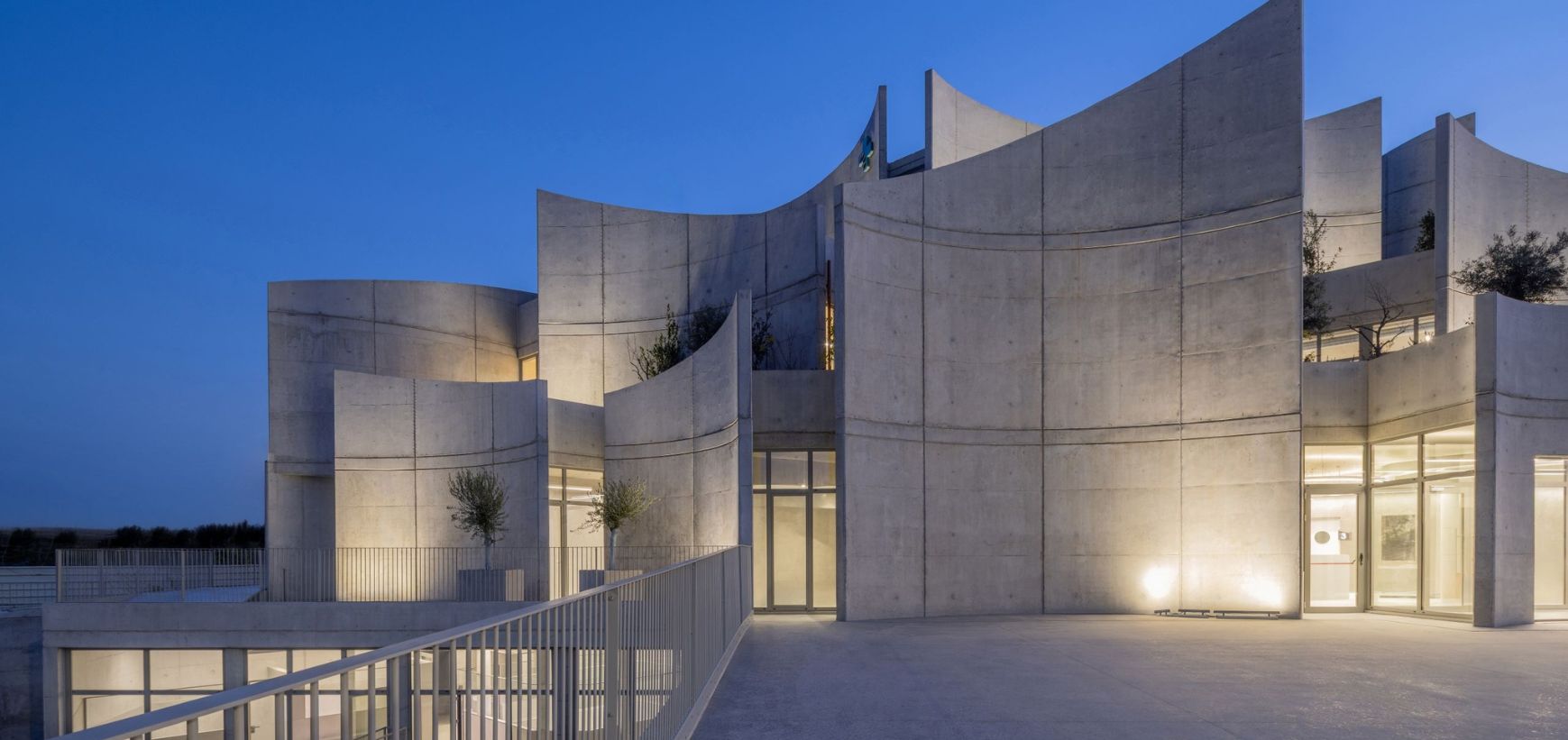
As Albania’s healthcare system evolves, one of the most pressing questions for patients, investors, and expats alike is: Public or private? In 2025, the divide between Albania’s two healthcare sectors is clearer, and more consequential, than ever before.
Here’s what you need to know about the realities, advantages, and challenges of public vs private healthcare in Albania today.
Public Healthcare: Universality with Limitations
Pros:
- Universal Access – Public healthcare is free or low-cost for Albanian citizens and residents. Primary care, basic treatments, and hospital services are covered by the state’s health insurance fund.
- Broad Geographic Reach – Public clinics and hospitals are present across the country, including in rural and underserved areas.
- Ongoing Reforms – The government is investing in infrastructure upgrades, digital health records, and better-trained primary care providers.
Cons:
- Long Wait Times – Overburdened public hospitals often face queues for diagnostics, surgeries, and specialist appointments.
- Resource Constraints – Aging equipment, staff shortages, and underfunding remain systemic challenges in public facilities.
- Limited Specialization – For complex cases, patients often seek referrals abroad or turn to the private sector.
Private Healthcare: Quality and Speed At a Cost
Pros:
- Short Wait Times – Appointments with specialists are often available within days, and many diagnostics can be done same-day.
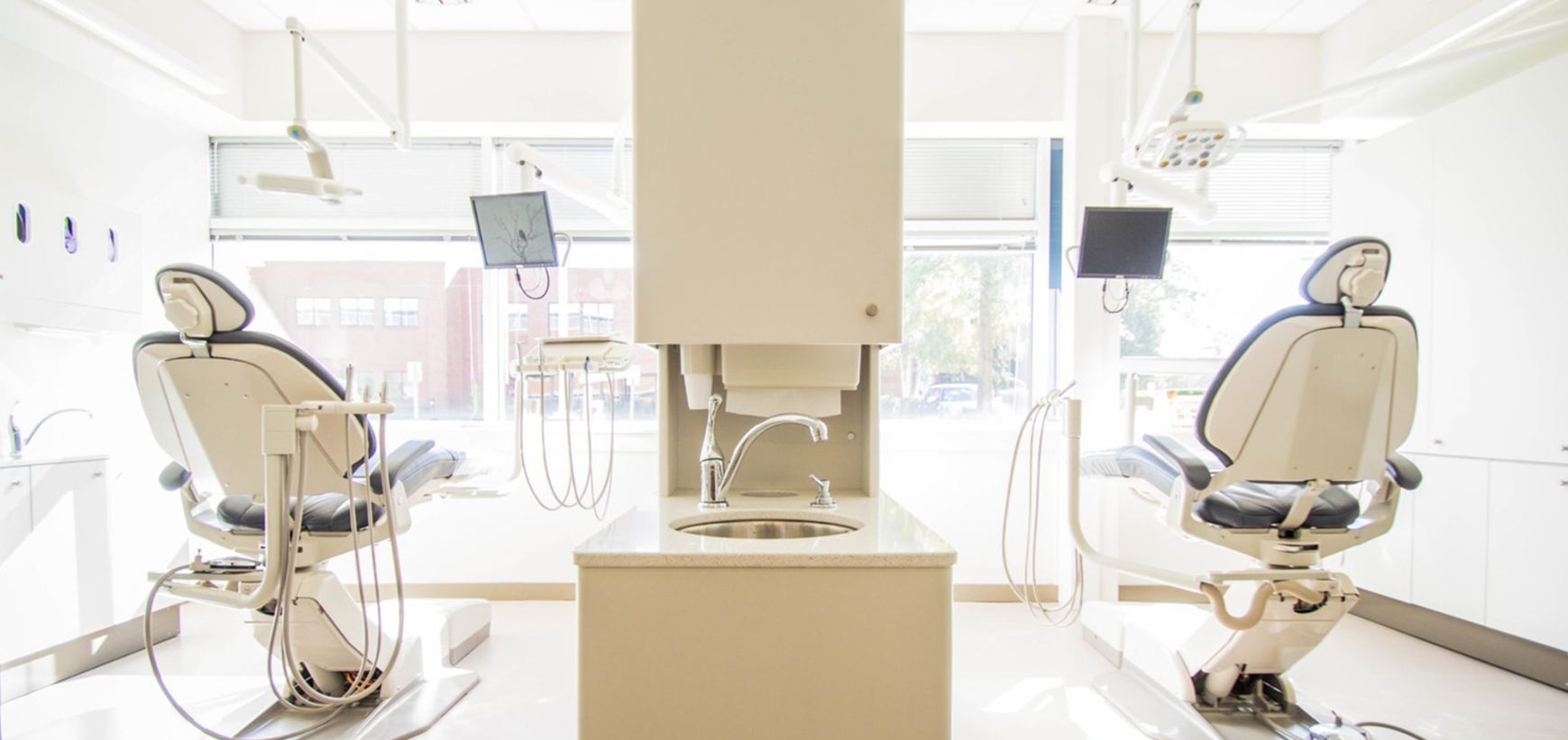
- Modern Facilities – Private clinics and hospitals are equipped with the latest medical technology, from digital imaging to advanced surgical equipment.
- Multilingual Staff & International Standards – Especially in Tirana and Durrës, many private providers cater to foreigners and returning Albanians, offering care that meets or exceeds Western standards.
Cons:
- Out-of-Pocket Costs – Most private services are not covered by public insurance, making them less accessible to lower-income individuals.
- Urban Concentration – Private care is heavily concentrated in urban areas, particularly the capital, leaving gaps in rural access.
- Variable Regulation – While top-tier providers are well-regulated, smaller clinics may vary in quality, making due diligence essential.
Insurance Landscape in 2025
Albania’s public health insurance covers state-run services but generally does not reimburse private care. However, an emerging private health insurance market now offers tailored plans for individuals and families who prefer private clinics. These plans are increasingly popular among professionals, expats, and medical tourists.
Who Chooses What?
- The Public Sector remains the go-to for essential care, chronic disease management, and emergency services—especially among retirees, rural populations, and lower-income groups.
- The private sector is preferred for speed, comfort, elective procedures, dental care, cosmetic surgery, and second opinions.
Medical Tourism & Expats
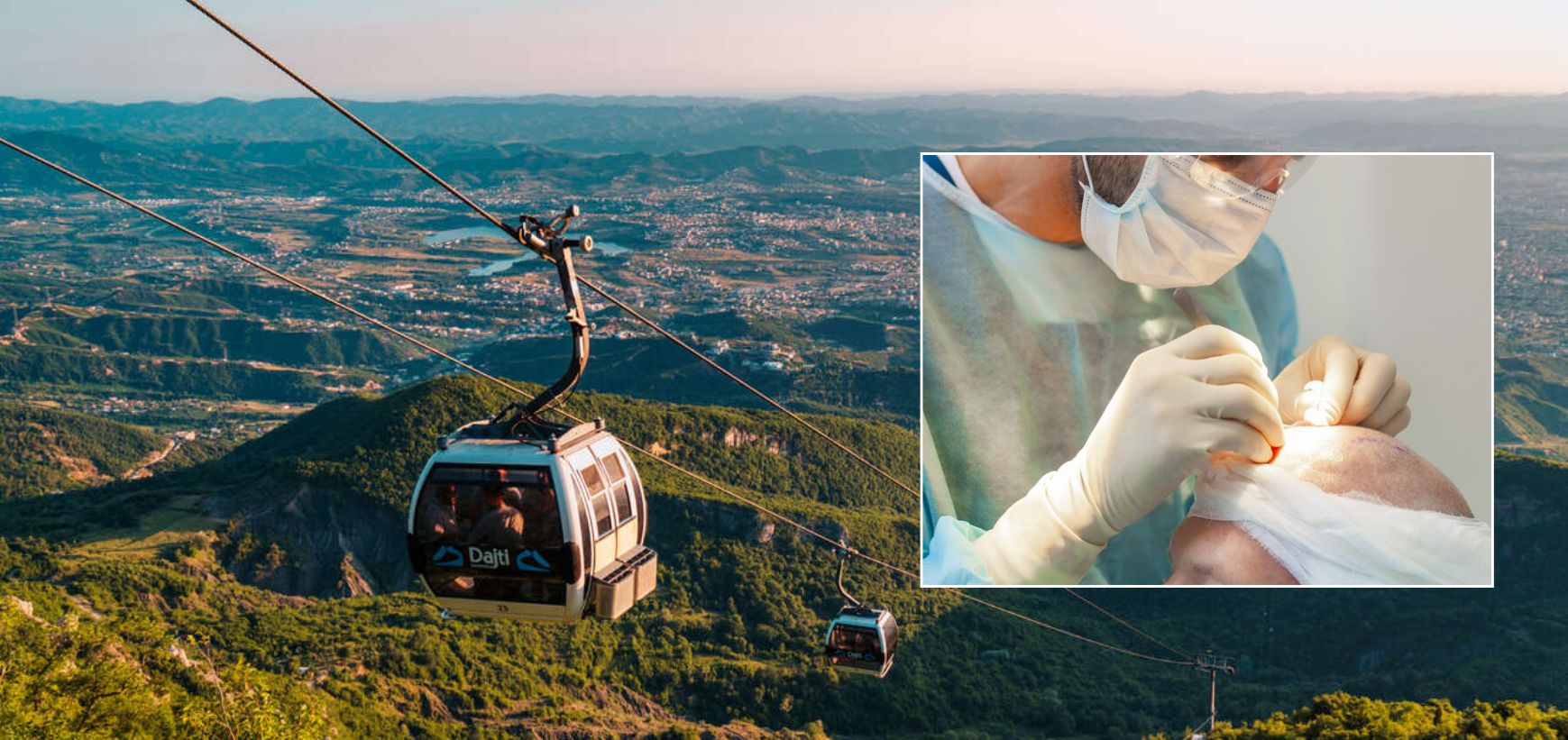
Foreigners traveling to or living in Albania increasingly rely on private healthcare. Many private hospitals offer packages for procedures such as IVF, dental implants, or orthopedic surgeries, at a fraction of the EU price, with no waitlists.
Meanwhile, expats often purchase international insurance policies that reimburse them for private treatments in Albania.
Bottom Line
In 2025, Albania offers a dual-track healthcare system: one built on state access and another driven by private innovation.
The public sector continues to serve as the backbone for national coverage, while the private sector offers faster, higher-end alternatives for those who can afford it. Together, they form a system in transition, marked by both growing pains and real promise.
Whether you’re a patient weighing your options or a company eyeing investment, understanding these two systems is key to navigating Albania’s changing healthcare landscape.













































0 Comments