
Austria, Germany, Italy, Portugal and Spain want extra corporate profits generated during the Mideast conflict to be distributed fairly.
 Aitor Hernández-Morales, Gregorio Sorgi



In the letter, the ministers argued Brussels should do as it did following Russia’s 2022 invasion of Ukraine, when it authorized the imposition of a temporary “solidarity contribution” on energy companies to “mitigate the direct economic effects of the soaring energy prices for public authorities’ budgets, final customers and companies.”
The 2022 measure imposed a minimum tax of 33 percent on all oil and gas company profits that exceeded the average recorded during the previous four years by more than 20 percent. In addition to proposing a similar framework, the ministers requested the Commission determine if it can also tax profits that multinational oil companies earn abroad.
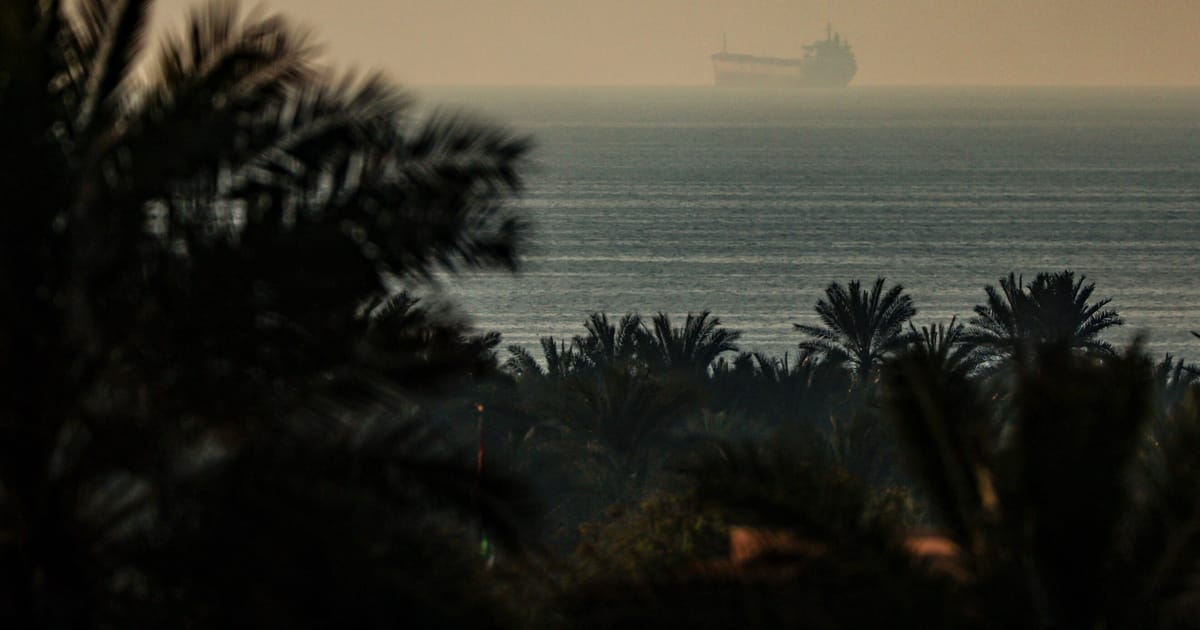
Oil and gas companies are making huge profits off the supply crisis provoked by the conflict in the Middle East and the closure of the Strait of Hormuz, through which some 20 percent of the oil and natural gas that powers the global economy runs. French oil giant TotalEnergies is reported to have made $1 billion in profits after acquiring dozens of Middle Eastern crude cargoes during the first days of the war, and North Sea producers like BP and Equinor have similarly seen their share prices boom as the price of Brent crude oil skyrockets.
The ministers said in their letter that in order to retain consumers’ confidence, EU members must show they “stand united and are able to take action.”
For the past month, Italian Prime Minister Giorgia Meloni and Germany’s Klingbeil have repeatedly called for the EU to take action against companies profiting from the energy crisis. That stance has been enthusiastically backed by figures like leftwing lawmaker Pasquale Tridico, head of the European Parliament’s tax subcommittee, who wants the extra profits to be redistributed to struggling households coping with higher bills.
Following last week’s meeting of EU finance ministers, several national officials told POLITICO that Economy Commissioner Valdis Dombrovskis had signaled his willingness to consider the tax. In a post-meeting press conference, the commissioner admitted the “scale, severity and impact” of the war had intensified and that a “coherent set of policy measures” were needed to address the price hikes.
In the letter, the ministers said the Commission, which is under growing pressure to address the economic impact of the war, has already “promised to swiftly review” their request. If Brussels ultimately comes forward with a proposal, it would be up to EU governments to give it a final green light. The windfall taxes adopted in 2022 did not require unanimous support and were adopted with the support of a qualified majority of capitals.