
The proposals will be put to European leaders at a summit next month, officials say.
 Gabriel Gavin, Carlo Martuscelli



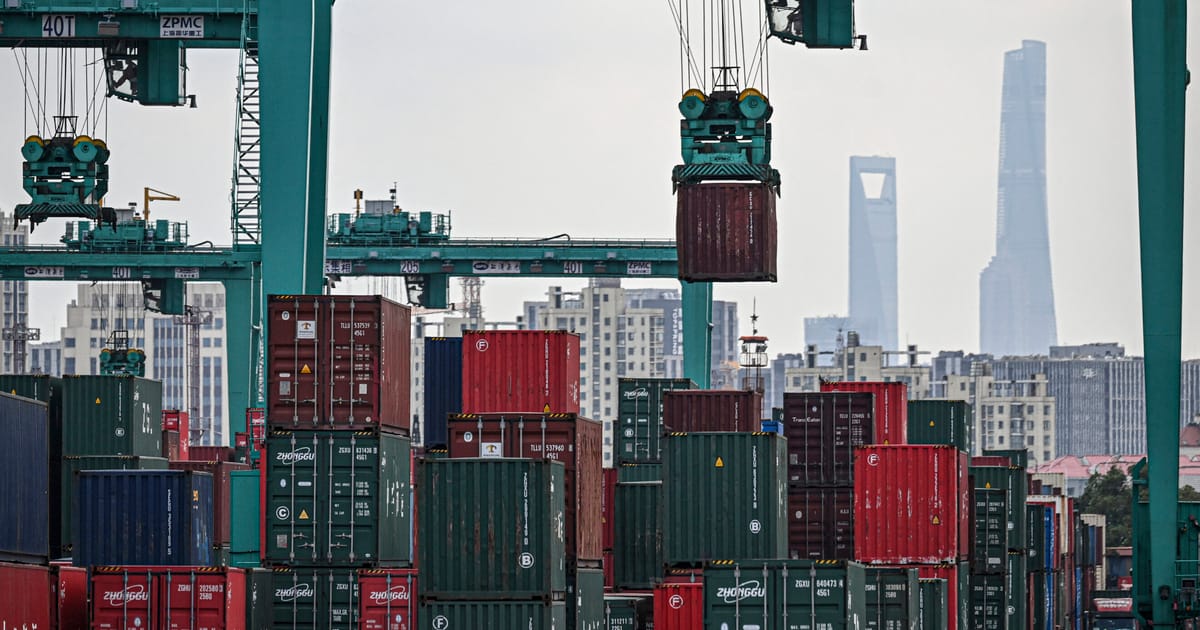
The push would also accelerate work on a so-called overcapacity instrument to deal with state-subsidized firms producing vast quantities of goods in strategic sectors, making it virtually impossible for other industries to compete.
Such a mechanism has been under discussion for some time, but is perceived as risky as it would likely run afoul of World Trade Organization rules, which generally bar members from discriminating against single countries.
According to two EU officials working on the proposals, granted anonymity to speak frankly, the plans will first be discussed and refined by commissioners at an “orientation debate” on May 29. EU leaders are then expected to discuss China’s export curbs on critical raw materials — essential for everything from wind turbines to car batteries — at a G7 summit in France that begins June 15, providing political direction for the EU executive.
Following that, the Commission will seek input from EU heads of government at a European Council on June 18 in Brussels. A draft agenda for the summit, obtained by POLITICO, includes the issue as part of discussions about how to “push forward EU competitiveness and strategic autonomy in the challenging geoeconomic context” and tackle “global macroeconomic imbalances.”
Trade headwinds
With European industry facing powerful geoeconomic headwinds, “the political appetite might be there now in some member states that were reluctant before,” said one of the officials of the push to toughen the EU’s trade stance toward Beijing. While the Commission has long sought new powers to deal with the issue, some capitals have actively resisted the push, as it could roil relations with Beijing.
Securing the support of Germany, which has historically sought to avoid trade escalation with China, would be key. Berlin is suffering industrial decline as Beijing strengthens its hold on clean technology, carmaking and manufacturing sectors — and is particularly exposed to any new restrictions on rare earth sales.