
Usually, Danish foreign minister Lars Løkke Rasmussen’s Facebook posts earn him an endless stream of insults, cynical comments and worse. But this time it was different.
 Caroline Gruyter



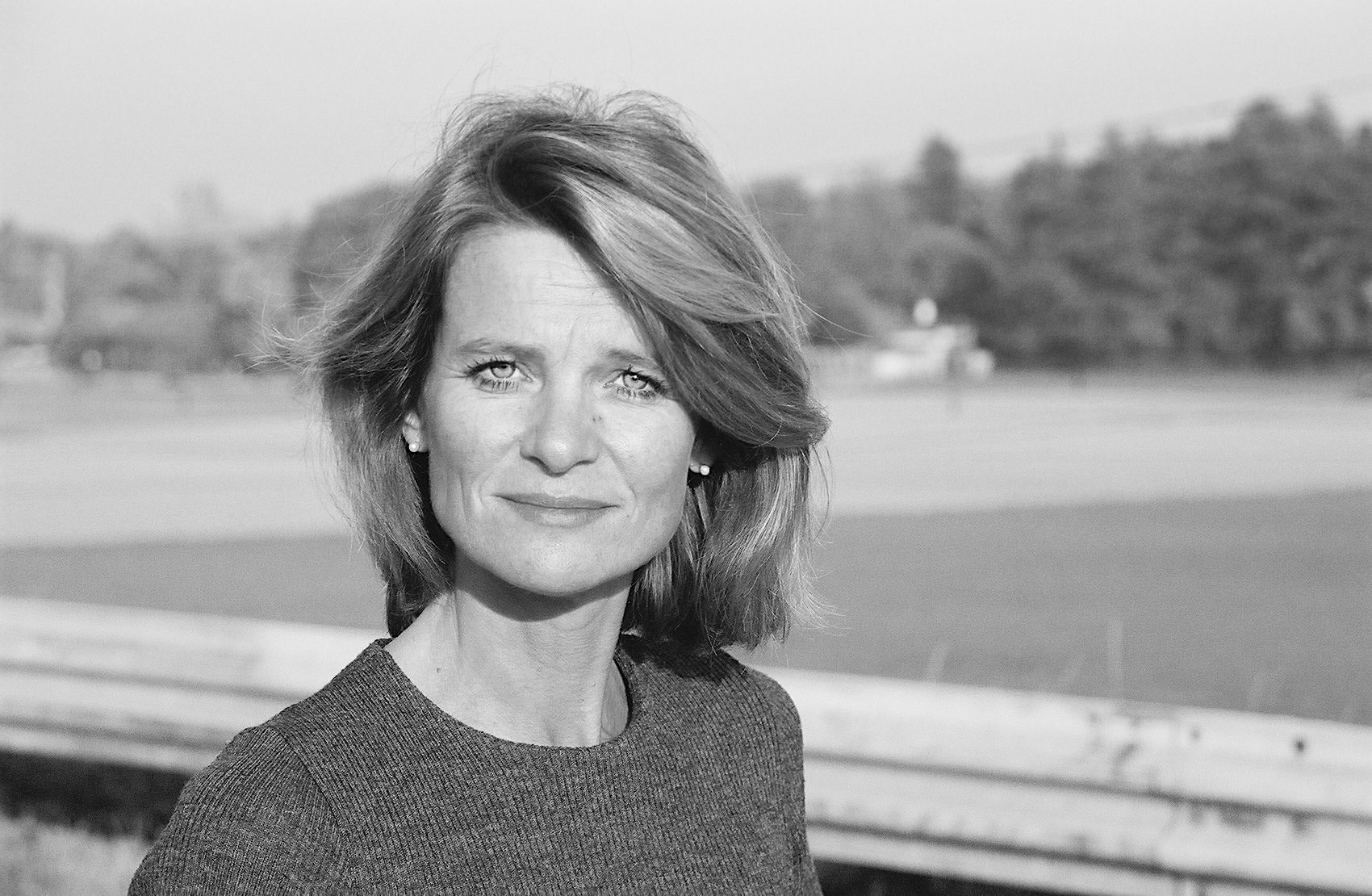
Lars Løkke Rasmussen, the Danish minister of foreign affairs, has been around in politics for many years.
Since 2001, he has served as a minister several times and twice as a prime minister.
And in all those years, he has had to endure an incredible amount of online abuse — increasingly so, like most politicians in Europe.
But now, something is changing.
In January, Rasmussen was in Washington with his colleague from Greenland, Vivian Motzfeldt, to try to talk US secretary of state Marco Rubio and vice-president JD Vance out of the ill-advised idea that the United States can just snatch Greenland.
At the end of their visit, Rasmussen wrote a short report on Facebook – as he regularly does in an attempt to communicate directly with citizens.
Usually, such posts earn him an endless stream of insults and cynical comments and sometimes worse. But this time it was different.
On the plane back to Copenhagen, he read the comments with growing surprise: this time, he got mostly compliments, suggestions and questions.
And not only from Danish readers.
Stunned, he wrote after returning home on 16 January:
“It is rare that I have to scroll down so far to find negative reactions on my social media. For that, I want to THANK you! I have allowed myself to be described as ‘cold-blooded’ by commentators over the past few days, but I am not entirely insensitive to all your support.”
This piece, once again, garnered hardly any negative comments or insults. Instead, it collected over 100,000 likes and 6,000 reposts, peppered with smileys, hearts, and thumbs up.
One of the comments was from this Dane, who wrote: “Dear Lars, I would be lying if I said I had always respected you. (…) Anyway, I just have to take my hat off and say: hats off to you. (…) You and Vivian Motzfeldt have done an excellent job (…). I have enormous respect for you and your diplomatic skills and send you a huge fist pump. Fight for everything you hold dear.”
One of the reasons many citizens lost confidence in politics in recent years is that they felt they had less and less of a say.
In a globalised world, pressing issues like climate, trade, migration or digital security exceeded the level of the nation state.
Decisions could only be made beyond the reach of national democracy — in Brussels, for example. Democracy, therefore, became more technocratic and complex, sometimes resulting in cryptic texts full of jargon no one understood.
In short, in the eyes of citizens, power was ‘leaking out’ of national democracy.
And they rebelled.
Many became suspicious or cynical, demanding complete transparency. Some stopped voting, others voted for populist parties. French political scientist Pierre Rosanvallon called it the “counter democracy”.
But something is shifting again. We are entering a new era. The phase of calm globalisation, in which leaders had to keep the ship on course and nothing more, is over.
The pliable managers at the helm of national democracies (like former Dutch prime minister Mark Rutte, who once said that “for vision, you need to see an eye doctor”) have had their day.
Today, on rough geopolitical seas, Europeans need solid leaders, people who do actually have a vision. Yesterday’s fixers are on their way out and need to make place for democratic leaders with backbone, a moral compass, a sense of responsibility, and courage.
Leaders who do not only say the right things, but also do the right things, leaders who dare to make a U-turn sometimes and then do not shy away from explaining why.
The good news is that slowly but surely, European societies are beginning to produce these leaders.
Danish empathy
Denmark is a case in point.
The country finds itself in the eye of a geopolitical storm. With president Donald Trump who wants to “have” Greenland, with Russia’s shadow fleet dangerously passing through Danish waters allegedly also cutting underwater cables and firing drones on the way, everyone understands what is at stake.
Everyone in Denmark and beyond can understand Rasmussen’s trip to Washington was a delicate and difficult one. Everybody can understand that he cannot be totally open and transparent about it.
Many Danes also understand why their prime minister, who was always against the issuance of eurobonds (common European loans), now actually made a U-turn and very much wants them.
Belgian prime minister Bart De Wever, who once as a regional separatist was the epitome of Rosanvallon’s ‘anti-democracy’, is also emerging as a leader whom people respect — in Belgium, of all places — with his pleas for a strong and more secure Europe.
Perhaps even in the Netherlands we will see responsible political leadership emerging.
Europe is under threat. Most citizens are very much aware of this. Their demands of national leadership, but also European leadership, are changing as a result.
They used to want freedom and prosperity, now they want security —Europe as a ‘nest’.
Many are therefore taking a keener interest in politics, understanding why defense and security are suddenly on top of the European agenda.
And so, slowly but surely, confidence in politics is returning. It will take time, but something is moving.
That is the real reason why Lars Løkke Rasmussen is hardly receiving any threats anymore.