

From Ploce in the south to Rijeka and Krk in the north, Croatia is redefining its role in Europe’s supply chains.
 Vuk Tesija



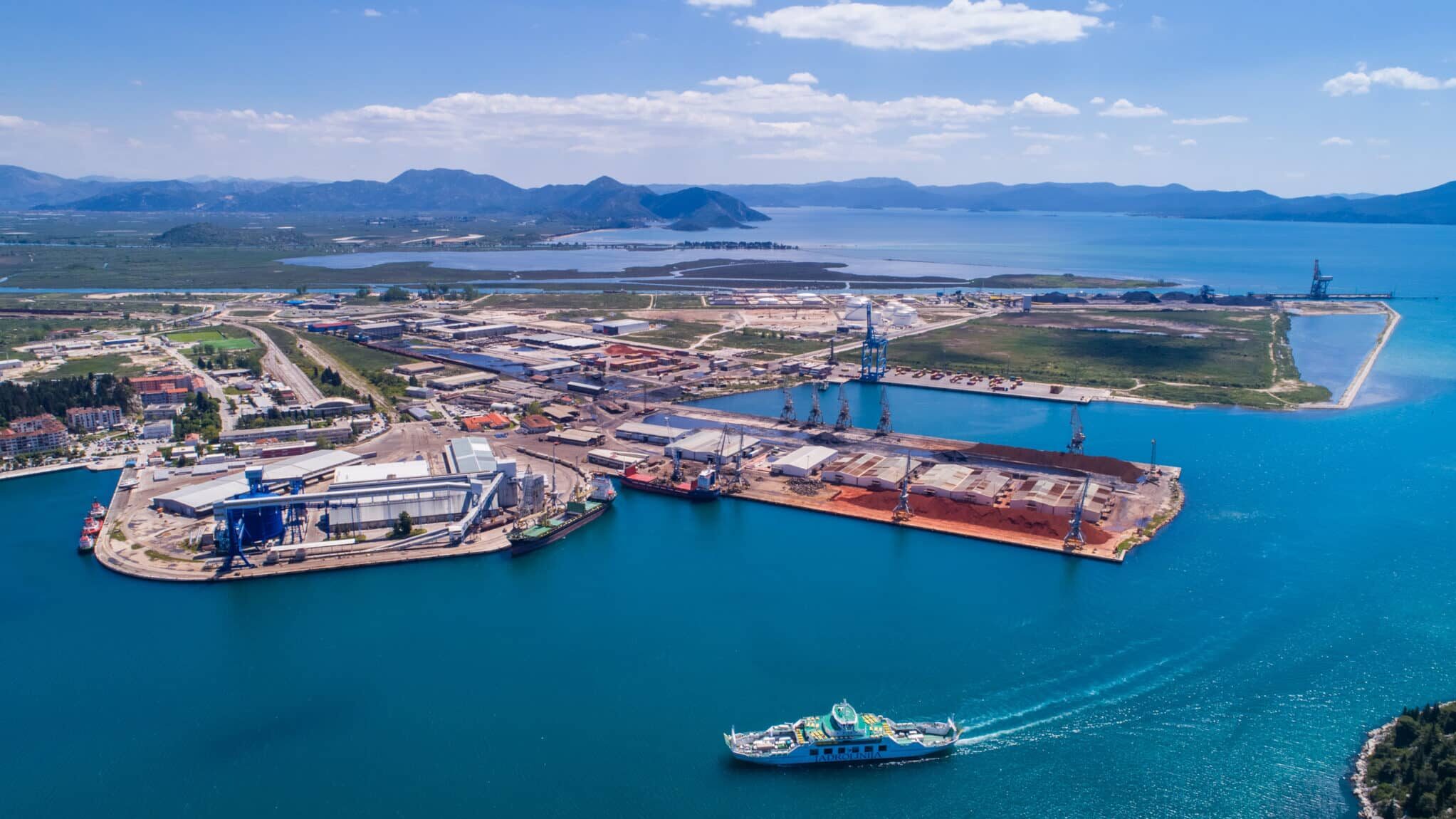
Hrvoje Livaja has big plans.
Since he took over as CEO of Port of Ploce in 2019, the Croatian port’s share price on the Zagreb Stock Exchange has risen from 35-40 euros to 140-150 euros.
That year, the port in the far south of Croatia opened a new bulk cargo terminal capable of accommodating large Capesize bulk carriers. Now, Livaja wants to grow container traffic too, with an offshore mooring buoy and, if that works, new cranes.
“And the Port Authority would build a quay,” he said. “That is the next major investment.”
Such expansion reflects a growing realisation about the opportunities open to Croatia from its advantageous location on the Adriatic, with Rijeka offering proximity to the likes of Hungary and Slovakia and Ploce to Bosnia for cargo arriving by sea.
And it’s not just goods, but energy too.
At the other end of the Croatian coastline, on the northern island of Krk, LNG and oil terminals are coming into their own at a time of heightened energy insecurity due to the war in Ukraine and the partial closure of the Strait of Hormuz since the United States and Israel began bombing Iran.
As a hub for the transport of goods and energy, Croatia can start to imagine a future economy not so overwhelmingly dependent on tourism.