
Analysts expect only limited increase in shipping as vessels will still need to seek Iranian permission to transitMiddle East crisis – live updatesThere will be no “mass exodus” of ships through the strait of Hormuz, shipping analysts say, despite a two-week conditional ceasefire being agreed between the US and Iran
 Joanna Partridge



There will be no “mass exodus” of ships through the strait of Hormuz, shipping analysts say, despite a two-week conditional ceasefire being agreed between the US and Iran with provision for the temporary reopening of the crucial maritime channel.
The ceasefire agreement “doesn’t change the situation in the sense that Iran is still in control”, said Richard Meade, the editor-in-chief at the maritime data provider Lloyd’s List Intelligence. “It still requires ships to essentially seek permission, and that’s the key. That means that nothing has changed – no permission, no transit.”
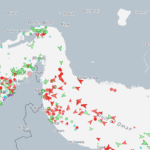
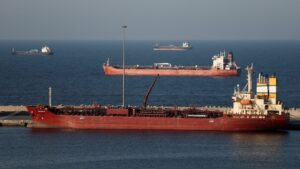
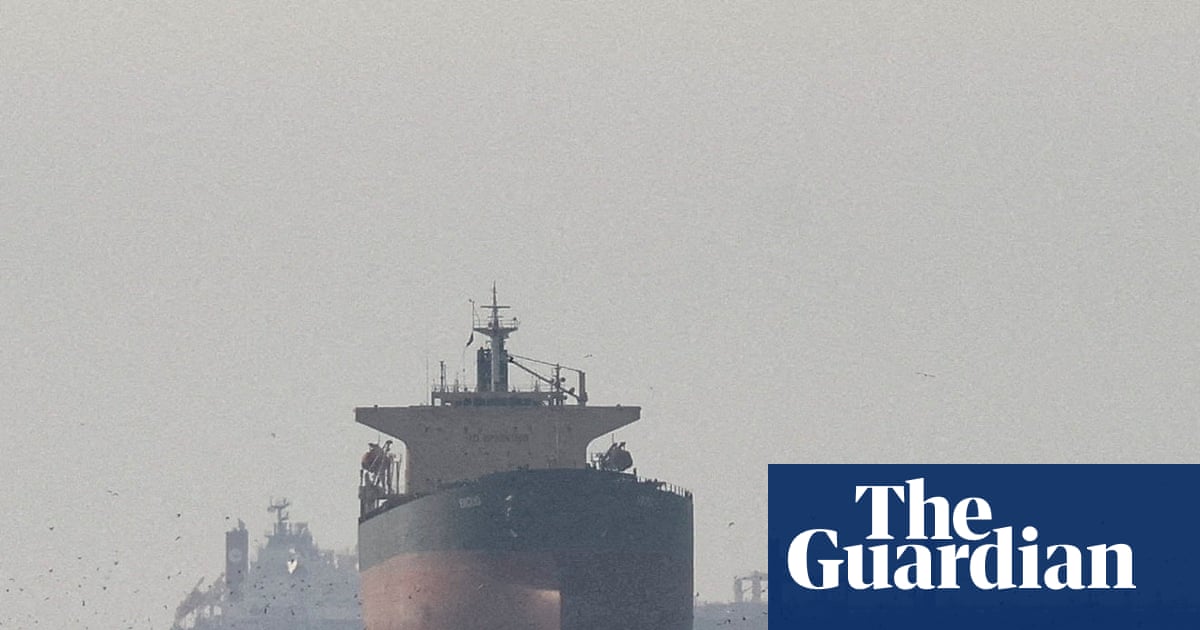
An estimated 2,000 ships and 20,000 seafarers have been trapped in the Gulf since the outbreak of war at the end of February, according to the UN, unable to pass through the strait to continue their journeys.
The trapped vessels include oil and gas tankers, bulk carriers and cargo ships as well as six tourist cruise liners.
Meade added that some captains have been instructed by shipowners to carry out safety checks in readiness for a possible departure.
However, he said large numbers of vessels were unlikely to start moving out of the Gulf until they were certain that they could do so safely: “We probably need to temper expectations of there being a mass exodus immediately. Until shipowners have got some sort of detail in terms of what’s required of them [to exit the strait] they are basically going to be waiting to see what happens,” he said. “At the moment, we’re seeing nothing to indicate that what was in place yesterday has changed.”
Under Iran’s 10-point ceasefire plan, the country’s foreign minister, Abbas Araghchi, said safe passage through the strait would be allowed under Iranian military management.
This would mark a continuation of Tehran’s previous traffic control system, where it granted passage to “non-hostile vessels” – which it determined to be those not belonging to or having links to the US or Israel.
A small number of ships have passed each day through the choke-point – just 21 miles wide at its narrowest point – in recent weeks, a tiny proportion of the prewar daily average of about 140 crossings.
The plan also permits Iran and Oman to charge a fee of up to $2m (£1.5m) a ship on vessels transiting through the strait, according to reports.
Since the start of the war the vast majority of vessels have remained anchored in the Gulf to ensure the safety of the vessel and its crew, after attacks on more than 20 ships across the region and the deaths of several crew members.
The head of the UN shipping agency the International Maritime Organization (IMO) welcomed the ceasefire and called for a safe evacuation of seafarers from the Gulf.
Arsenio Dominguez, the secretary-general of the IMO, said: “I am already working with the relevant parties to implement an appropriate mechanism to ensure the safe transit of ships through the strait of Hormuz. The priority now is to ensure an evacuation that guarantees the safety of navigation.”
The number of vessels transiting the strait had increased slightly in the days before the ceasefire, although this was partly a result of more ships with cargoes linked to Iran moving through.
The ships that have been moving have followed the new maritime route that has emerged during the conflict, which differs from the standard commercial lanes used before the war.
Iran has diverted ships to a northerly corridor in its territorial waters, which takes them between Larak island and its mainland, allowing Iranian authorities to monitor ships and approve their passage.
Analysts have said if ships continue to follow this route, it will add further constraints to the number of vessels able to pass through the narrow and congested waterway. Few believe traffic will return to normal daily averages during the two-week ceasefire.