
Several fuel shortages, hunger and spiralling inflation will be some of the consequences of the Iran war as the head of the International Monetary Fund said that it would leave “scarring effects” on the global economy. In a speech by Kristalina Georgieva, the IMF’s managing director, global policymakers were warned
 Mauricio Alencar



Thursday 09 April 2026 3:00 pm | Updated: Thursday 09 April 2026 1:45 pm
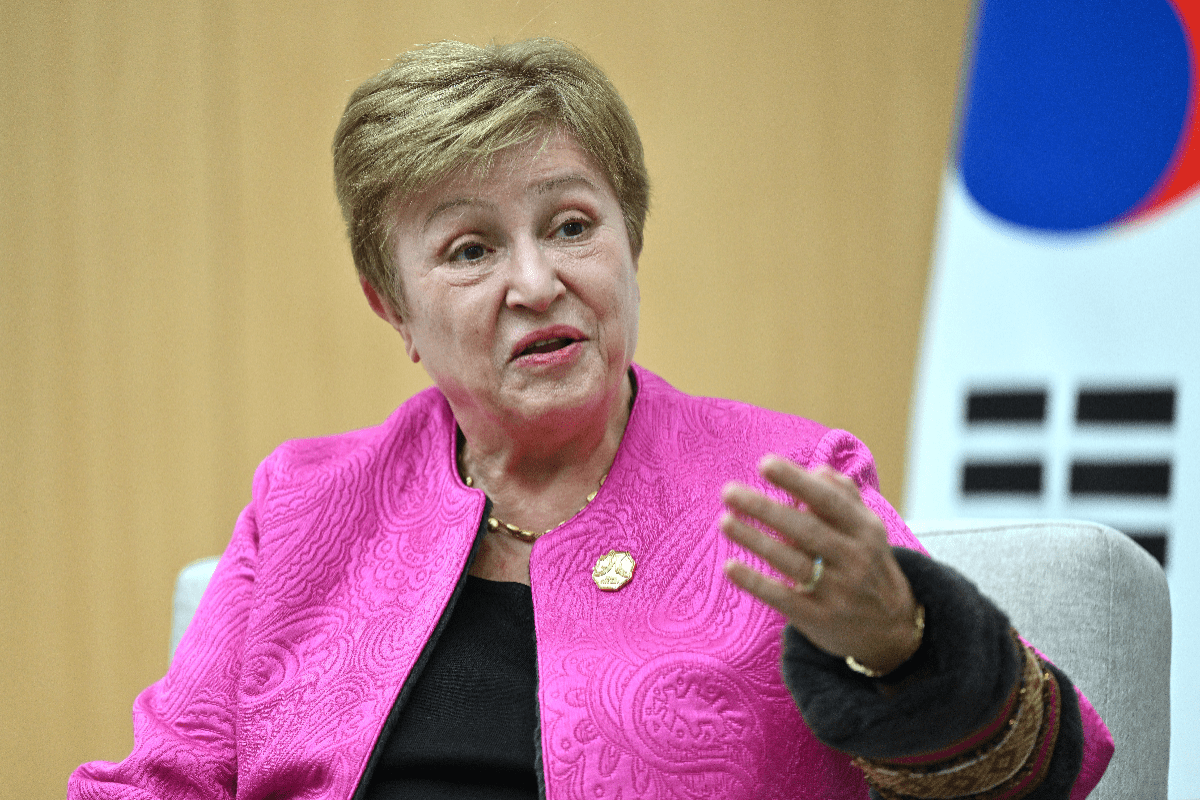
Several fuel shortages, hunger and spiralling inflation will be some of the consequences of the Iran war as the head of the International Monetary Fund said that it would leave “scarring effects” on the global economy.
In a speech by Kristalina Georgieva, the IMF’s managing director, global policymakers were warned that trade disruption across the Middle East over the last month would lead to lower growth and higher inflation.
The impact of the war was also predicted to be uneven between different countries depending on levels of energy imports and their proximity to the war, according to the world’s foremost economic organisation.
Georgieva’s address on Thursday morning underlined the consequences of what one month of the US and Israel’s war with Iran, and the subsequent hold-up in trading flows across the Strait of Hormuz, would mean for the world economy.
She warned the most severe fuel disruptions will come for islands in the Pacific Ocean, with the ripple effects then spreading around the world.
#mc_embed_signup { background: #fff; clear: left; font: 14px Helvetica, Arial,sans-serif; width: 100%; max-width: 600px; margin: 20px 0; } #mc-embedded-subscribe-form { margin: 20px 0 !important; } .newsletter-form-flex { display: flex; gap: 0; align-items: center; margin-top: -10px; } .newsletter-form-flex input[type=”email”] { flex: 1; padding: 2px 10px; border: 1px solid rgb(18, 22, 23) !important; border-radius: 12px 0 0 12px !important; } .newsletter-form-flex input[type=”submit”] { padding: 4px 10px !important; margin: 0 !important; background-color: rgb(18, 22, 23) !important; color: rgb(255, 255, 255) !important; border: 1px solid rgb(18, 22, 23) !important; border-radius: 0 12px 12px 0 !important; } .newsletter-banner-content { margin-bottom: 15px; } .newsletter-banner-content h2 { margin: 0 0 10px 0; font-size: 18px; font-weight: 600; } .newsletter-banner-content p { margin: 0 0 10px 0; line-height: 1.5; } .newsletter-banner-content ul, .newsletter-banner-content ol { margin: 0 0 10px 20px; } .newsletter-banner-content a { color: #0073aa; text-decoration: none; } .newsletter-banner-content a:hover { text-decoration: underline; } .newsletter-banner-content img { max-width: 100%; height: auto; margin: 10px 0; } #mc_embed_signup #mce-success-response { color: #0356a5; display: none; margin: 0 0 10px; width: 100%; } #mc_embed_signup div#mce-responses { float: left; top: -1.4em; padding: 0; overflow: hidden; width: 100%; margin: 0; clear: both; }
She also said that 45m more people would suffer from food insecurity while there were “warning lights flashing red” for fuel shortages in several countries.
Inflation expectations could also “break anchor and ignite a costly inflation process”, though Georgieva said long-run confidence in price growth among households and businesses presented “very good and very important” readings.
IMF: Fuel shortages to lead to ‘ripple effects’
The IMF chief added that infrastructure damage, particularly at Qatar’s Ras Laffan gas complex that is critical for energy supplies in Asia, would lead to “no neat and clean return to the status quo”.
The IMF will update its economic forecasts next week, which will feature specific changes on the outlook for the UK economy.
Read more Why high oil prices could plunge world into recession by the summer
Georgieva asserted that the world economy would suffer from lower growth and warned decision-makers “not to make things worse”.
“I appeal to all countries to reject go-it-alone actions—export controls, price controls, and so on—that can further upset global conditions,” she said.
“Don’t pour gasoline on the fire.”
The IMF’s forecast revisions next week will be the second major update on the global economic outlook after the OECD, a Paris-based think tank, said the UK economy would be harder hit than any other G7 country by the war.
It suggested the UK would suffer the second lowest level of growth this year and the second highest level of inflation after the US.
There are renewed hopes that the Strait of Hormuz could re-open and allow trade and production to resume, but economists and policymakers have warned that the full re-opening will take weeks given the risk of further escalation and the wobbly terms of the current ceasefire agreement.
President Trump and Iranian leadership officials have floated the prospect of imposing a toll on ships passing through the critical trading route. Foreign secretary Yvette Cooper has urged the US administration to resist slapping a tax on ships passing through the Strait of Hormuz.
The UK economy is also predicted to suffer the worst impacts of the war later in the year after the energy price shock from higher oil and gas prices passes through into household bills from July.
Read more Iran war: From fuel to food, what could get more expensive?
Similarly tagged content: Sections Categories People & Organisations