

Rumen Radev says his party’s likely success in April 19 elections could trigger a rerun of events last year in Romania – where a far-right candidate’s presidential win was annulled by courts citing ‘foreign interference’.
 Svetoslav Todorov



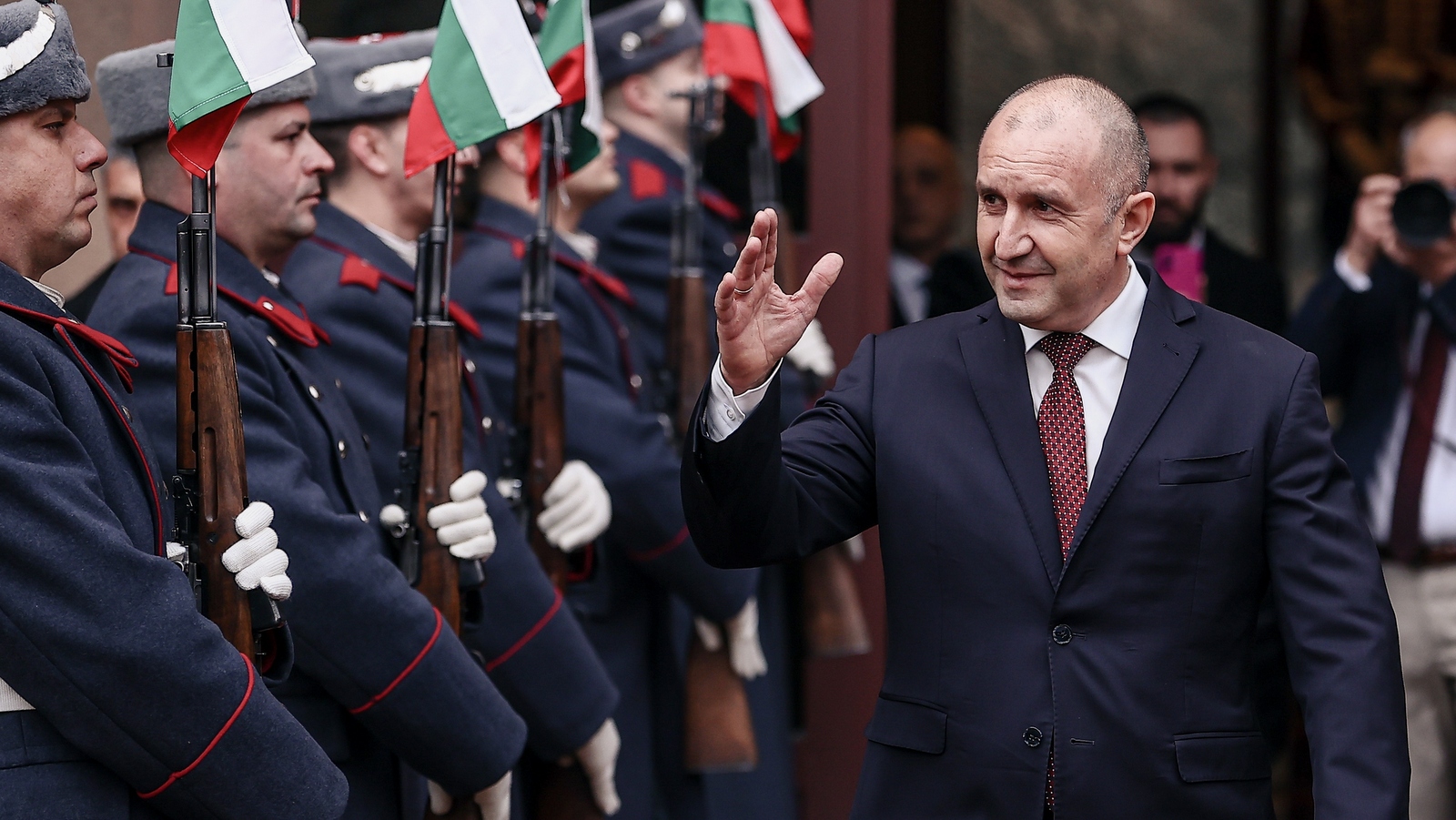
Bulgaria’s former president, Rumen Radev, currently running for parliament with his new party, Progressive Bulgaria, claimed on Tuesday that the victory his party expects in the April 19 snap elections might be compromised by what he called “the Romanian model”.
Radev was referring to how Romanian right-wing populist Calin Georgescu’s first-round presidential election victory in November 2025 was annulled by the Romanian Constitutional Court, which ordered a rerun, citing foreign, likely Russian, interference.
Radev’s statement comes after the current interim cabinet has talked of possible Russian interference in the April 19 elections.
Bulgaria’s foreign ministry last week set up a unit to improve its response to foreign interference, and tapped investigative journalist Christo Grozev, who is blacklisted by Moscow, as an adviser. Politico also reported that Bulgaria has asked the European Union for assistance to defend against Russian interference in the electrion.
“Their plan is underway with formally requested EU assistance, along with insinuations of alleged hybrid foreign interference in the elections. Is anyone actually observing such interference on the ground?” Radev wrote on social media on Tuesday.
He said the aim was to “discredit the elections by drawing a parallel with the Romanian model … these people cannot even begin to grasp the extent to which their conduct is damaging Bulgaria’s standing within the EU. I urge all Bulgarian citizens not to allow this brutal and absurd attempt to steal the elections.”
In an interview for a YouTube channel known for spreading pro-Russian and Eurosceptic rhetoric, Radev addressed the same narratives and concerns. This is only his second interview since leaving the presidential office; he has also abstained so far from TV debates.
Radev’s relationship with the pro-European duo We Continue the Change/Democratic Bulgaria remains defined by political manoeuvres and paradoxes: the founding core of WCC emerged from an interim cabinet Radev himself appointed in 2021.
The two sides have been in conflict since Russia’s invasion of Ukraine in February 2022. Despite this fractious dynamic, the reformist coalition remains his most viable path to a coalition deal and his clearest alternative to the prospect of an uneasy alliance with GERB and its leader, former Prime Minister Boyko Borissov. GERB’s latest short-lived coalition government was brought down in December by massive protests.
Radev resigned as President in January, several months before the end of his second mandate, later announcing his Progressive Bulgaria party, which is currently leading in the polls for the April 19 elections.