



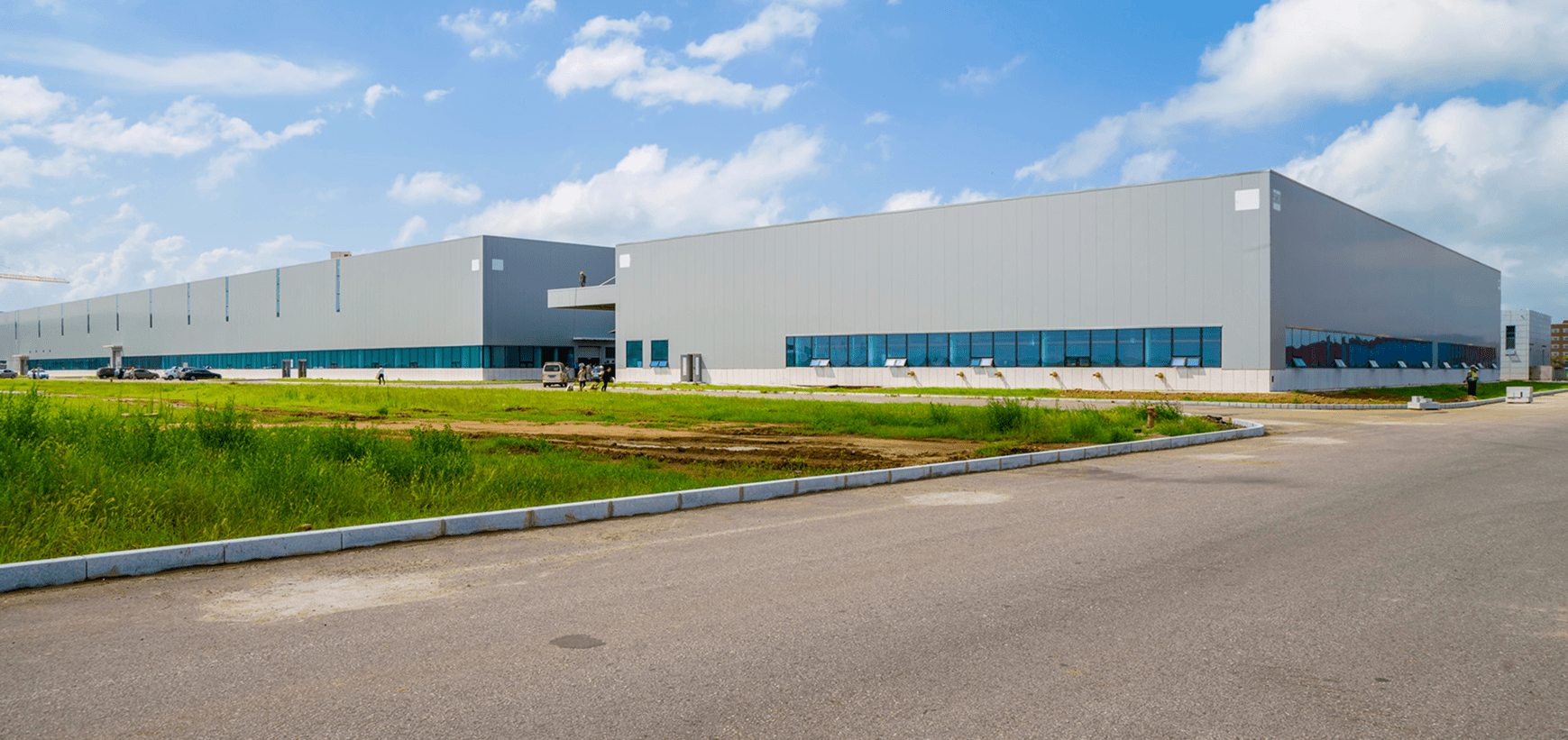
Industrial property is often the most decision-driven part of Belgrade commercial real estate. Tenants sign when a site saves time, lowers delivery risk, and scales with demand. Belgrade can do this well because Serbia links road, rail, river, and air routes across Southeast Europe. Recent market reporting also suggests that Serbia property yields in modern logistics can be attractive, but only when location, documentation, and tenant quality are strong.
This guide explains where logistics demand sits, what current rents and yield ranges look like, how foreign investors typically enter, and which costs and checks matter most.
Belgrade commercial real estate and why logistics matters in 2026
Trade.gov describes Serbia as a logistics hub in Southeast Europe and notes that it is intersected by Pan-European Corridors VII, the Danube River, and X. Trade.gov also notes a major infrastructure investment cycle across roads, rail, airports, and river transport, including projects linked to Modern Belgrade and Expo 2027.
For investors, the practical point is that infrastructure concentrates value in sites that already have strong access and reliable utilities. When you underwrite a deal, treat infrastructure as an upside only after the base case works without it.
Where tenants choose to locate and why micro-location matters
Logistics demand in Belgrade is highly location sensitive. Tenants typically want easy highway access, short routes to the airport zone, and smooth truck circulation at the site.
Cushman and Wakefield CBS International reports that, in H1 2024, demand for high-quality space was strongest at specific micro locations, especially along highways, and that new supply was dominated by logistics and distribution facilities. The same report highlights major development activity in the wider Belgrade industrial area and in zones such as Dobanovci, and it notes that occupier demand was led by logistics and transportation companies, distributors, and retail chains.
If you are evaluating a Belgrade warehouse investment, start with the tenant’s route map. You should confirm where inbound goods come from, where outbound deliveries go, and how many daily truck movements the tenant needs. Then you should drive the route at peak hours, because congestion is a hidden operating cost.
Market numbers you can underwrite against in 2026
Cushman and Wakefield CBS International reports that rents for modern logistics space in Belgrade and its proximity were stable at EUR 4.0 to 5.5 per square meter per month in the first six months of 2024. It also reports that vacancy remained below 5% at the end of H1 2024, supported by pre-leases in recently delivered properties. For investors, it reports prime yields for modern logistics facilities in the Belgrade industrial zone at 8.25% to 9.00%.
Use these as a baseline, not a forecast. They help you read commercial trends Belgrade investors should monitor, such as the pace of new deliveries and the share of pre-leasing. A simple stress test is helpful: you can assume a lower rent and a longer lease-up period, then check whether your return still holds.
How to enter as a foreign buyer in Serbia 2026 and register safely
Foreign investors usually enter through an income asset purchase, a forward funding deal with a long pre-lease, or a land and development strategy.
Land category matters. Gratanet explains that a foreign-owned company registered in Serbia can acquire real estate, including land, when the purchase is necessary for its registered business activities, and it notes strict regulation around agricultural land for foreign individuals and legal entities. For industrial and logistics, this makes properly titled commercial assets and construction land aligned with business use the safer starting point.
Process matters too. Guidance linked to the Republic Geodetic Authority explains a one-stop shop registration system via public notaries, where a public notary handles electronic steps with the cadastre and tax authorities. The same guidance states that the cadastre registration decision is issued within five working days on average.
A safe entry sequence is simple. You should confirm the title and encumbrances first. You should confirm zoning and permitted use next. You should confirm permits and technical acceptance before you commit to price and timetable.
Consider the taxes and property fees in Serbia that will impact your net return.
CMS explains that the second and subsequent transfer of a building that is not subject to VAT is subject to a 2.5% real estate transfer tax. CMS also lists a 20% VAT rate for commercial properties where VAT applies. CMS also states that notarization fees vary by transaction value and that the fee is capped at EUR 3,030 plus VAT.
You should model taxes and fees as a range, then confirm the final tax treatment with Serbian advisers before signing. Your budget should also include legal fees, translation costs where required, valuation, and environmental checks, because those items often decide whether financing and resale are smooth.

Conduct due diligence and underwriting to minimize avoidable risks.
Industrial deals fail for predictable reasons, so your checks should focus on predictable failure points. You should verify title, encumbrances, and legal continuity in the cadastre. You should verify land category and zoning, especially if you plan heavy truck traffic or expansion. You should review building permits, technical acceptance, and as-built documentation for each structure. You should commission an environmental review that matches the site’s history and planned tenant activity. You should verify utility capacity, especially power and wastewater. You should underwrite the lease like a credit instrument, including break clauses, repair obligations, and tenant financial strength.
After due diligence, underwriting should stay simple. You should assume conservative rent, conservative lease-up, and realistic capex. You should then compare your target return to observed Serbia property yields and explain why your asset should trade tighter or wider than the market range. You should also keep a regional lens, because many occupiers compare options across the wider Balkans logistics property market.
Conclusion
For 2026, the strongest opportunities in Belgrade commercial real estate are often industrial and logistics assets that sit on the right micro locations and serve real tenant routes. Serbia’s corridor position and infrastructure cycle can support demand, but the investment case still depends on basics: clean title, clear permits, reliable utilities, and a lease that protects income.
As a foreign buyer in Serbia in 2026, you can build trust by underwriting against current rent and yield ranges. Then, you can check the site in person to see how truck routes, yard flow, and utilities work. You can ask a question about a specific situation in the Kolekr community and get advice from people who have been there.