A mix of systemic problems and a culture that tolerates corporal punishment has led to a broader national failure in the Czech Republic to detect and prevent violence against children. Will a new law that came into effect on January 1 help rectify that?
 Anna Koslerova



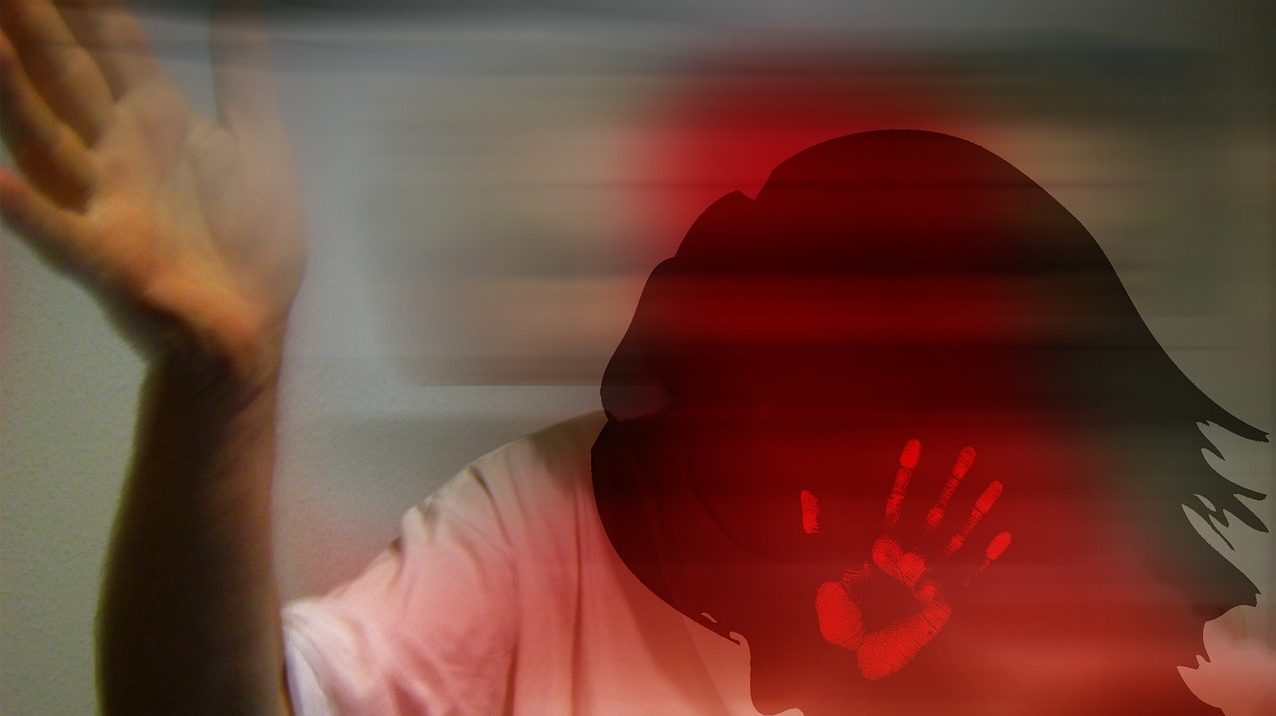
In the Czech Republic, physical punishment remains widely accepted as a legitimate parenting tool. Slapping, pulling hair, striking children with belts or wooden spoons remain part of everyday discipline for many families.
A recent survey by the First Faculty of Medicine at Charles University found that 22.4 per cent of parents consider physical punishment a routine part of upbringing, while another 25.7 per cent admitted they have used it, though they often felt guilty afterwards. Only 41 per cent say they avoid physical punishment entirely.
Researchers note a gradual shift in how parents reflect on these moments. When physical punishment occurred, 41.6 per cent later explained the situation to the child, 8.4 per cent apologised, and 42.6 per cent made a conscious effort to repair the relationship.
“Parents are aware that physical punishment undermines trust and contributes to trauma and aggressive behaviour,” said lead researcher Dr Martina Sebalo Vnukova. “Their attitudes are shifting thanks to personal experience and expert advice. The responses show that punishment often doesn’t come from conviction, but from helplessness.”
Until July 2025, Czechia was one of the last two countries in Europe that did not explicitly state in law that hitting and humiliating children is unacceptable.
A parliamentary-approved amendment to the Civil Code, which states that corporal punishment is impermissible, took effect from January 1. While it won’t lead to prosecutions over a single slap, experts say the change sends a clear signal to parents that they should avoid violent disciplinary methods.
Centrum LOCIKA’s Cerna warns that cultural norms play a powerful role and that Czechia’s tolerance of violence is rooted partly in the communist past and the generational transmission of trauma. “We are still dealing with the legacy of Communism. This is evident in how families once functioned as isolated units where everything was handled behind closed doors, and people did not feel part of a wider society and became accustomed to not intervening in what happened next door,” she explains.
“In families where violence occurs, this can be fatal for children. It is important not to be indifferent and to take an interest in what is happening around us,” she adds.
Not everyone welcomes the legislative shift. Nina Novakova, an MP with the Christian democratic KDU-CSL party, has publicly opposed the amendment, arguing that existing laws already sufficiently regulate proportional and dignity-respecting upbringing.
In an interview with Denik.cz, she said corporal punishment should not be regulated by law. “A loving parent comes to the conclusion that, in that moment, it will benefit the child the most, that it will not harm them physically or psychologically, and that their dignity will not be violated,” she said.
Public frustration over political inaction surfaced during a symbolic protest in Prague in the spring of 2025. The initiative Sametove posviceni organised a march titled Skoda lasky, ktera padne vedle (“It’s a pity when love falls by the wayside”) to draw attention to corporal punishment.
Participants created a large effigy, a Morana, decorated with children’s drawings, then set it on fire and threw it into the Vltava River.
Beyond street protests, advocacy organisations affiliated with the global campaign to end corporal punishment have mobilised decades of legal and cultural pressure. Their work, supplemented by media coverage, opinion pieces in national and international outlets, and collaboration with human-rights bodies, played a key role in pushing lawmakers to formally prohibit all corporal punishment of children from January 1, 2026.