
Retail and hospitality leaders are optimistic that the Iran-US ceasefire could spare them from the worst energy bill shocks, but are urging the government to address an array of other cost pressures. British businesses had warned that the soaring energy prices caused by the war in the Middle East could
 Felix Armstrong



Wednesday 08 April 2026 2:40 pm
Retail and hospitality leaders are optimistic that the Iran-US ceasefire could spare them from the worst energy bill shocks, but are urging the government to address an array of other cost pressures.
British businesses had warned that the soaring energy prices caused by the war in the Middle East could be devastating if the conflict persisted.
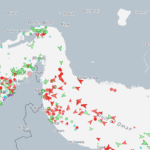
The blockage to the Strait of Hormuz, a crucial shipping passage between Iran and Oman, has been all but entirely blocked since the beginning of the war, sending shipping costs and fuel prices into a tailspin.
While most large hospitality and retail firms have agreed fixed-price contracts which insulate them from external shocks for the near future, their energy bills could have climbed if disruption from the conflict persisted.
Some operators, like JD Wetherspoon, have fixed contracts which run until 2029 while rival pub firm Mitchells & Butlers is due for contract renewal in September this year.
#mc_embed_signup { background: #fff; clear: left; font: 14px Helvetica, Arial,sans-serif; width: 100%; max-width: 600px; margin: 20px 0; } #mc-embedded-subscribe-form { margin: 20px 0 !important; } .newsletter-form-flex { display: flex; gap: 0; align-items: center; margin-top: -10px; } .newsletter-form-flex input[type=”email”] { flex: 1; padding: 2px 10px; border: 1px solid rgb(18, 22, 23) !important; border-radius: 12px 0 0 12px !important; } .newsletter-form-flex input[type=”submit”] { padding: 4px 10px !important; margin: 0 !important; background-color: rgb(18, 22, 23) !important; color: rgb(255, 255, 255) !important; border: 1px solid rgb(18, 22, 23) !important; border-radius: 0 12px 12px 0 !important; } .newsletter-banner-content { margin-bottom: 15px; } .newsletter-banner-content h2 { margin: 0 0 10px 0; font-size: 18px; font-weight: 600; } .newsletter-banner-content p { margin: 0 0 10px 0; line-height: 1.5; } .newsletter-banner-content ul, .newsletter-banner-content ol { margin: 0 0 10px 20px; } .newsletter-banner-content a { color: #0073aa; text-decoration: none; } .newsletter-banner-content a:hover { text-decoration: underline; } .newsletter-banner-content img { max-width: 100%; height: auto; margin: 10px 0; } #mc_embed_signup #mce-success-response { color: #0356a5; display: none; margin: 0 0 10px; width: 100%; } #mc_embed_signup div#mce-responses { float: left; top: -1.4em; padding: 0; overflow: hidden; width: 100%; margin: 0; clear: both; }
But the owners of independent pubs which may not have fixed contracts – or which are off-grid and rely on heating oil, which is especially volatile to price shocks – had warned they are especially vulnerable to fuel cost hikes.
Beyond energy shocks, retailers had warned that the rising cost of shipping and manufacturing caused by the war could force them to put up prices for consumers.
Energy bill hikes could be avoided
Clothes retailer Next said its prices could rise by as much as 10 per cent in the autumn, while supermarket bosses held emergency talks with Chancellor Rachel Reeves to discuss the scale of price increases.
President Trump’s announcement of an 11th-hour ceasefire with Iran has been met with cautious optimism by the UK’s retail and hospitality firms.
The two-week truce includes a commitment by Iran to reopen the Strait of Hormuz and the markets immediately responded to this pledge, with the price of oil falling as much as 16 per cent to below $100 per barrel on Wednesday morning.
If the ceasefire holds, the cost of energy is expected to return to manageable levels before British businesses come to renew their contracts.
Andrew Opie, director of food and sustainability at trade body the British Retail Consortium (BRC) said: “We hope today’s ceasefire is the start of a lasting peace and that in the coming weeks we will see energy prices falling and global supply chains returning to normal.”
Kate Nicholls, chair of industry body UKHospitality, also welcomed the potential end to the conflict.
Read more Two-thirds of hospitality firms to cut jobs as April tax rises ‘suffocate’ sector
She said: “With hospitality businesses experiencing significant volatility in the business energy market over the past month, any efforts to stabilise the market and bring prices down are to be welcomed.”
An end to the Iran war would also boost consumer sentiment – because Brits will feel more confident to spend money if the fear of inflation is less prominent – which will in turn benefit hospitality firms and retailers, analysts told City AM.
But Opie said the “lasting marks” of the Iran war – including higher shipping, fertiliser, insurance and commodity costs – will continue to feed into inflation, which will both result in higher costs for firms and make Brits less likely to splash out at the shop or the pub.
“To limit these inflationary pressures, [the] government should consider pausing some of the incoming policies that are pushing up prices,” he said.
Thomas Pugh, chief economist at audit firm RSM, said the ceasefire is “unambiguously good news” for the UK economy because it will reduce the risk of sharp energy rises and limit inflation.
But he said: “The ceasefire probably comes too late to avoid another bout of stagflation. […] The surge in fuel prices has already eaten into consumers disposable incomes and the impact will get worse as higher wholesale prices are reflected in utility bills.
“At the same time, the sharp shift up in interest rate expectations and mortgage rates will further crimp consumer spending and business investment.”
Retail and hospitality face triple cost blow
Hospitality and retail firms warn they are facing a triple blow of cost pressures. Even if the threat of higher energy bills recedes, they say, high tax burdens and rising employment costs will remain.
Revaluations of business rates left the average hotel facing an extra £28,900 in tax from the start of this month, while restaurants saw a £1,800 bill increase on average.
Pubs were offered a £300m emergency relief package after landlords barred Labour MPs in protest against the new rates, but hotels and restaurants were left out.
Two thirds of hospitality firms said they will have to cut jobs to deal with “suffocating” April tax rises, while one in seven will shut altogether, according to UKHospitality.
Retailers and hospitality firms also say they are struggling to meet rising wages and tackle the complexity of new workers’ rights laws, which the BRC has warned risks creating a “jobless generation” because it threatens flexible work in these sectors.
Nicholls said: “The reality remains that many operators are now paying much more than they were a month ago and this additional pressure continues to squeeze margins, threatening jobs and business viability.”
Read more Fish and chip shops under threat as Iran war spikes energy prices
Similarly tagged content: Sections Categories People & Organisations