Viktor Orban toured military units near the Serbian border the day after the Belgrade authorities said they found explosives near a gas pipeline to Hungary – and denied the incident was staged to influence the upcoming Hungarian elections.
 Katarina Baletic



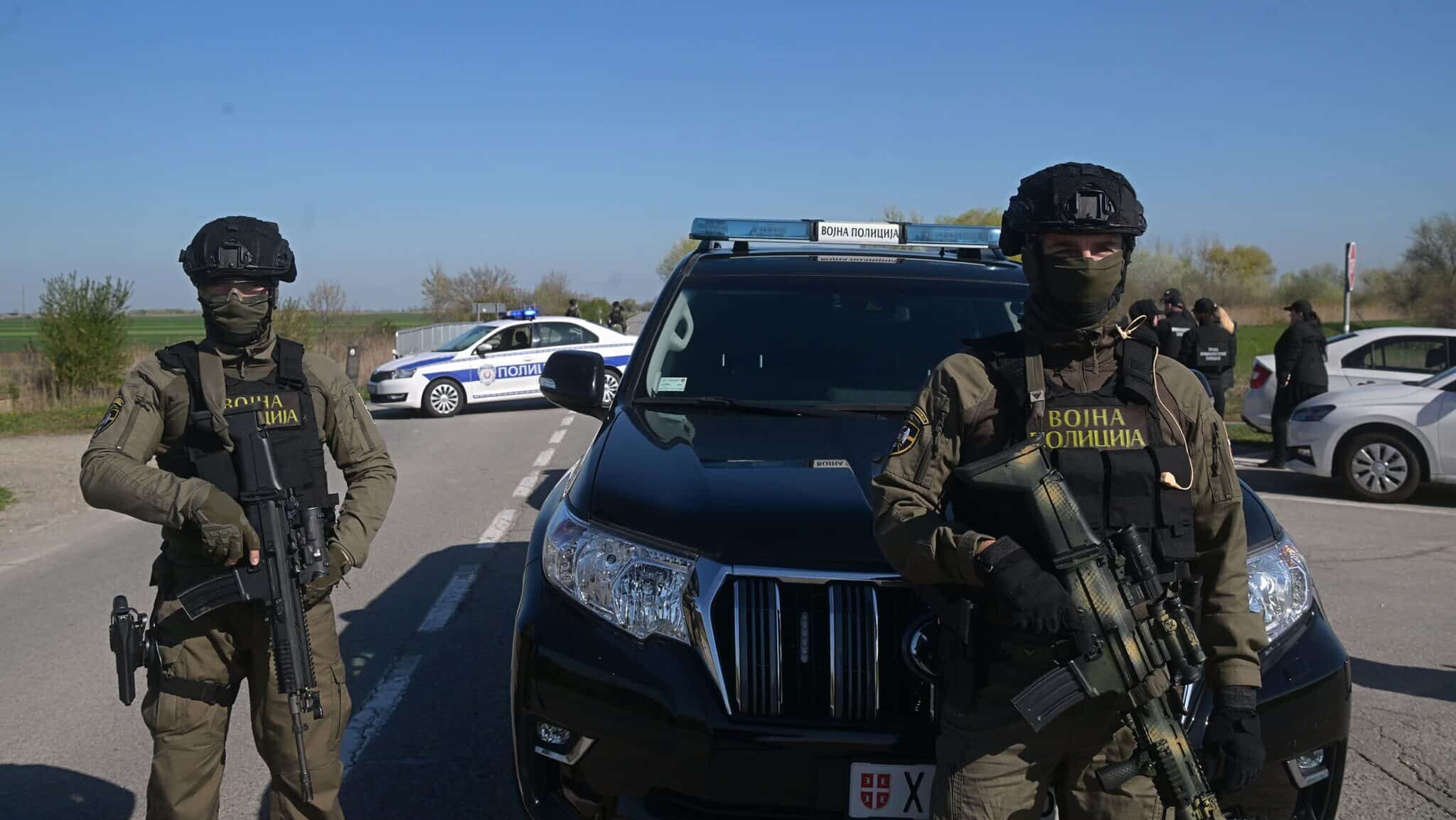
Hungarian Prime Minister Viktor Orban met military forces along the border with Serbia on Monday, a day after the discovery of an alleged attempt to sabotage the TurkStream pipeline that runs through both countries – an incident that critics have described as highly suspicious.
Orban called TurkStream a “lifeline” for Hungary and praised Serbia for discovering explosives near the pipeline on Sunday – amid a tense election campaign in Hungary in which Orban is portraying himself as the guarantor of his country’s security.
“If [the pipeline] is cut, the Hungarian economy will come to a halt, and hundreds of thousands of Hungarian families will be left without gas. That is why what happened on Serbian territory is very serious. I want to thank Serbia for its quick and efficient action. They prevented a major disaster from happening,” Orban said.
Serbia’s authorities have denied suspicions voiced by the Hungarian opposition that the incident was staged to boost Orban ahead of the election next weekend, as his Fidesz party is currently trailing the opposition Tisza in opinion polls. The Hungarian and Serbian governments are close political allies.
The director of Serbia’s Military Intelligence Agency, Djuro Jovanic, told a press conference on Sunday evening that suggestions that the Serbian Army was willing to fake the incident to pretend it was organised by Ukrainians were “disinformation”.
“Let me tell you immediately – that is not true,” he said, and added: “The Serbian Army does not interfere in political processes in the Republic of Serbia, let alone in any other country.”
A key pillar of Orban’s election campaign has been fear-mongering about Ukraine, with which his pro-Russian government has a troubled relationship.
Hungarian opposition leader Peter Magyar wrote on X on Sunday that he had received warnings from multiple sources before the incident that “something might ‘accidentally’ happen in Serbia, possibly involving a gas pipeline, around Easter, one week before the Hungarian elections”.
“If Viktor Orban and his propaganda machine use this provocation for campaign purposes, it will amount to an open admission that it was a pre-planned false-flag operation,” Magyar wrote.
Serbian authorities announced on Sunday that they found two backpacks containing explosives near the TurkStream pipeline, at a location near the village of Tresnjevac in the Kanjiza district, close where the pipeline crosses the Hungarian border.
Military Intelligence Agency director Jovanic said that the authorities had information for months that some kind of sabotage could be organised to damage gas infrastructure.
“We had information that a person from a group of migrants, who is militarily trained, would attempt to carry out sabotage on gas infrastructure,” he said.
He did not specify any motive for the alleged sabotage plot, or name the nationality of those suspected of involvement.
Serbian President Aleksandar Vucic said on Sunday that if the pipeline had been damaged and the gas supply interrupted, Hungary and northern Serbia would have been left without supplies. “We will deal ruthlessly with anyone who endangers Serbia’s vital infrastructure,” Vucic wrote on Instagram.
Hungary receives Russian gas through the TurkStream pipeline, which runs from Russia under the Black Sea to Turkey, then through EU member state Bulgaria, across Serbia and into Hungary.