
As speculation of a leadership challenge – or sweeping reshuffle – surrounds the forthcoming local elections, in this week’s column Samuel Norman looks at what a change in Chancellor would mean for the banking sector. It is no secret that Thursday’s local elections carry a weight far heavier than the
 Samuel Norman



Wednesday 06 May 2026 2:09 am | Updated: Tuesday 05 May 2026 4:36 pm
As speculation of a leadership challenge – or sweeping reshuffle – surrounds the forthcoming local elections, in this week’s column Samuel Norman looks at what a change in Chancellor would mean for the banking sector.
It is no secret that Thursday’s local elections carry a weight far heavier than the fate of a few neighbourhood councillors.
Markets are getting nervous, with the UK’s long-term borrowing costs spiking to a 28-year high on Tuesday on the rising economic risks associated with political instability. Should these tensions reach boiling point the first question concerns the process that could lead to Starmer packing his bags. Could he be forced to quit? Hand over, temporarily, to his deputy? Or announce a date for his eventual departure?
For the City, however, one key factor here may already be baked in.
If Starmer bows out, it’s all-but-certain his Chancellor, Rachel Reeves, will follow. That’s notwithstanding a post-election reshuffle, which sees Reeves sensationally ousted as the Prime Minister looks to cling on (Truss tried this. It didn’t last).
#mc_embed_signup { background: #fff; clear: left; font: 14px Helvetica, Arial,sans-serif; width: 100%; max-width: 600px; margin: 20px 0; } #mc-embedded-subscribe-form { margin: 20px 0 !important; } .newsletter-form-flex { display: flex; gap: 0; align-items: center; margin-top: -10px; } .newsletter-form-flex input[type=”email”] { flex: 1; padding: 2px 10px; border: 1px solid rgb(18, 22, 23) !important; border-radius: 12px 0 0 12px !important; } .newsletter-form-flex input[type=”submit”] { padding: 4px 10px !important; margin: 0 !important; background-color: rgb(18, 22, 23) !important; color: rgb(255, 255, 255) !important; border: 1px solid rgb(18, 22, 23) !important; border-radius: 0 12px 12px 0 !important; } .newsletter-banner-content { margin-bottom: 15px; } .newsletter-banner-content h2 { margin: 0 0 10px 0; font-size: 18px; font-weight: 600; } .newsletter-banner-content p { margin: 0 0 10px 0; line-height: 1.5; } .newsletter-banner-content ul, .newsletter-banner-content ol { margin: 0 0 10px 20px; } .newsletter-banner-content a { color: #0073aa; text-decoration: none; } .newsletter-banner-content a:hover { text-decoration: underline; } .newsletter-banner-content img { max-width: 100%; height: auto; margin: 10px 0; } #mc_embed_signup #mce-success-response { color: #0356a5; display: none; margin: 0 0 10px; width: 100%; } #mc_embed_signup div#mce-responses { float: left; top: -1.4em; padding: 0; overflow: hidden; width: 100%; margin: 0; clear: both; }
Yet, regardless of how the conclusion is reached, Reeves leaving her post and being replaced with another Labour Chancellor puts banks back in the crosshairs of the never-ending row over how they should be taxed.
Cast your mind back to the lead-up to last November’s Budget. With speculation running rampant over a fiscal black hole of up to £50bn, Reeves spent her time swatting away lobbying efforts from think tanks, the opposition, and even her own party’s firebrand, Angela Rayner.
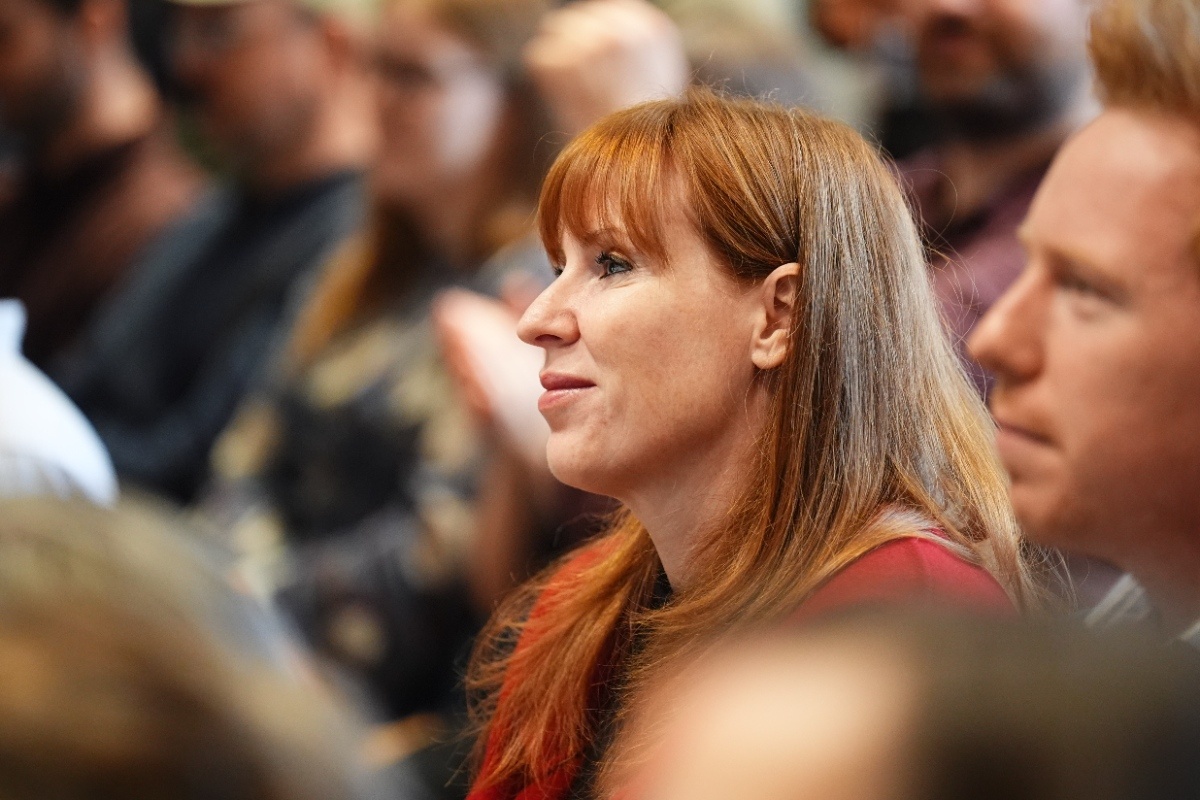
The red-headed darling of the Labour left made a major intervention to call for the banking surcharge tax to be hiked from three per cent to five per cent to shield the welfare bill from the chopping block.
The surcharge was introduced in 2016 and was marketed as a kind of reparation scheme from the 2008 financial crisis, when much of the sector received taxpayer-funded support. It sits on top of the 25 per cent corporation tax rate, and alongside the numerous other levies slapped on British businesses, and serves as another headache driving up the UK sector’s outsized tax rate when compared with rival overseas destinations.
Rayner’s intervention sparked months of debate on the matter, with Reeves ultimately sparing the banks when November 26 – Budget Day – arrived.
Reeves’ relationship with the banks
Chatter behind the scenes suggests Reeves was always inclined to avoid targeting the banks for a quick cash raid. So much so that insiders have even whispered the industry bodies and banks were told to nudge a levy cut to the top of their wish lists, and in doing so, provide the perfect selling point to the Treasury, allowing them to frame the decision not to hike taxes as a compromise.
The Chancellor has regularly called on the industry for growth and crisis summits and in the 48 hours that followed the Budget, a raft of lenders announced fresh pumps of capital into the economy.
The investments gave Reeves something to cheer about on the next day’s morning media rounds as she defended her £26bn tax-raising Budget.
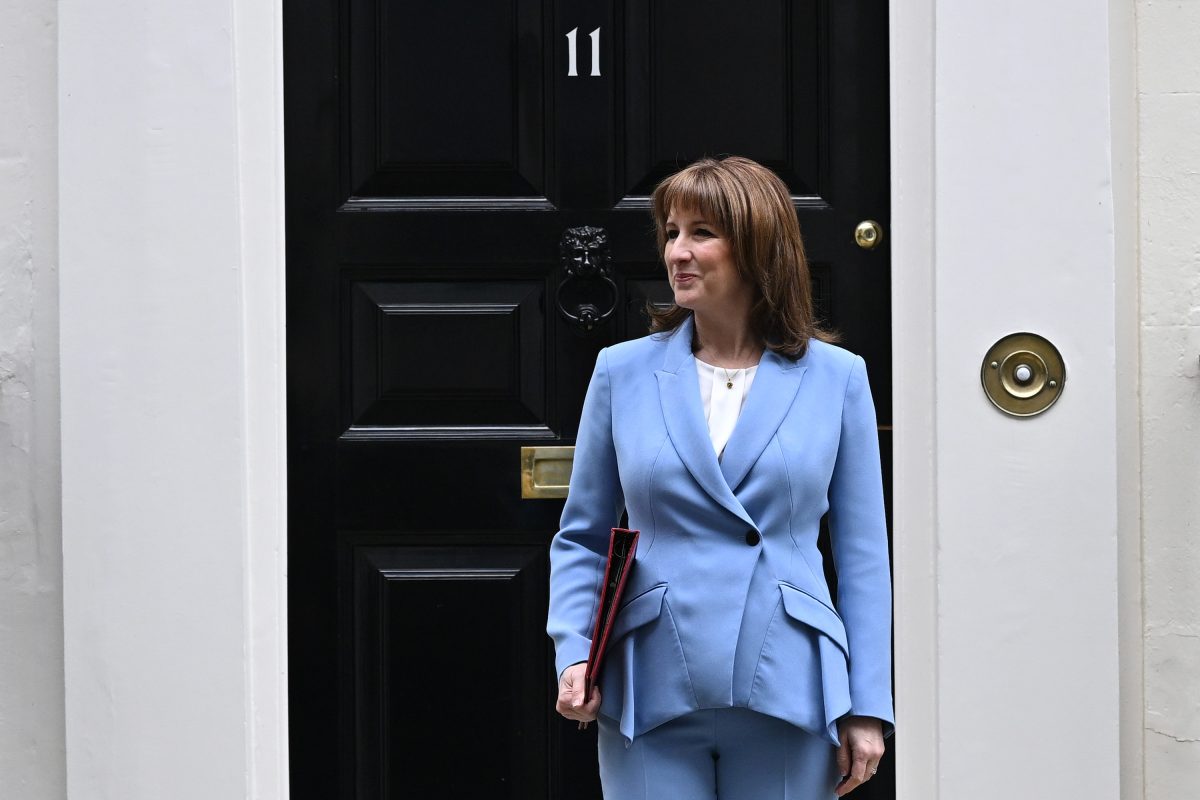 Reeves dismissed calls for a bank tax in 2025’s Budget.
“Why don’t you believe Jamie Dimon, the head of JP Morgan who today has announced a multi-million pound investment?” she would ask critics.
But post-May elections, the goal posts could shift yet again.
UK banks face ‘tactical challenges’
Banks are now upgrading their income targets for the year on the back of interest rates staying higher for longer after the inflationary pressures triggered by the Iran war. Analysts are now suggesting this only makes the banks more “ripe” for a raid.
It’s these fears that are stopping brokers getting overzealous about any potential profit boom in the banking sector’s pipeline for 2026. UBS analysts upgraded Lloyds to a ‘Buy’ after the blue-chip bank forecast a jump in interest income, though not before cautioning the risk associated with UK lenders at such a time.
“We understand the tactical challenges of buying a UK domestic bank into the 7 May local elections,” they said.
With profits widening as the political winds shift, the City finds itself in a new paradigm where a new Chancellor – or even just a leftward tack by the government – could result on the banks being told to cough up.
Earlier this year, Jefferies analysts floated potential leadership combinations that would make a banker’s hair stand on end. They noted that while a Wes Streeting and Pat McFadden duo as opposed to Angela Rayner and Torsten Bell would be viewed “positively,” “bank holders may be particularly concerned by certain potential combinations.”
Among the candidates under consideration , Rayner, Streeting, and Manchester Mayor Andy Burnham remain the principle names in the frame. If Starmer wakes up Friday morning to the prophesied “bloodbath” – with voters deserting the Labour rose for the populist fringes – reports suggest a mountain of no-confidence letters will ensue.
For the City’s banking titans, the gamble shifts from whether they’ll inherit a less unfavourable Chancellor to just how much that is going to cost them.
Read more London Local Elections 2026: Who will win in Hackney?
Similarly tagged content: Sections Categories People & Organisations