
Yet because the election system is designed to favour strong parties, a two-thirds parliamentary majority seems to have become the norm in Hungary, which contains its own dangers.
 Bea Bakó



As the election system is designed to favour strong parties, two-thirds parliamentary majorities seem to have become the new normal in Hungary. This matters, given that such a majority is not only needed to adopt and amend the constitution, but also to appoint constitutional judges and other state officials (such as the president of the State Audit Office, ombudsman, prosecutor general, etc), as well as to adopt and amend so-called “cardinal laws”.
These cardinal laws have existed since the democratic transition, although under different names. The original idea behind these special laws was to secure political compromise when regulating crucial constitutional matters, such as those to do with the justice system, elections, parties, the constitutional court, citizenship and so on. When Fidesz came to power in 2010, they kept these laws as cardinal and, additionally, they qualified random policy issues as cardinal as well, for example migration and asylum, pensions, or certain taxation rules.
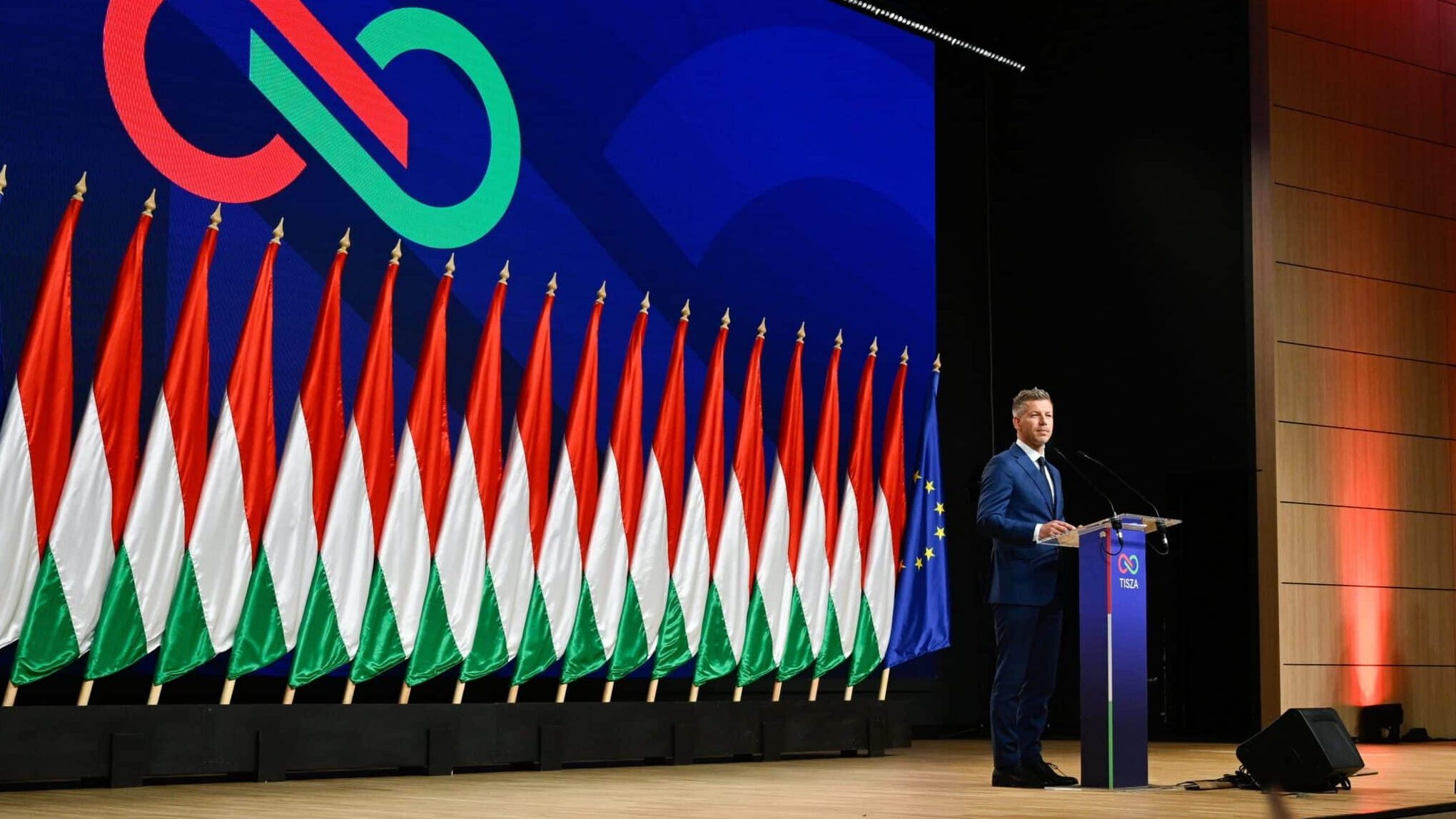
This is now the fifth election in a row when a party has gained a two-thirds majority in parliament – and the first time it is not Fidesz. And just like Fidesz did back in 2010, Tisza has been voted into power with a supermajority not necessarily on of its own merits, but because voters wanted to punish the previous government. We have seen where this can lead, so it is worth being wary about.
It is time to realise that the rationale behind the magical two-thirds majority requirement is a lie. Two-thirds majorities do not guarantee compromise. What would guarantee compromise (and together with that a further development in political culture) is a shift towards a more proportional election system, where even a simple majority requires compromise within a governing coalition. Such a scenario also makes cardinal laws unnecessary.
However, the main issue with a two-thirds majority is that it grants unchecked power to any government that holds it. This majority is also enough for drafting a new constitution or amending it – something which can be done as often as needed and along everyday political interests, as successive Fidesz governments have illustrated over the last 16 years.
Hungary can’t fall into the same trap again and let any party abuse a two-thirds mandate. Magyar has vowed that his government won’t rebuild the rule of law in a way that violates democratic checks and balances, and it has a responsibility to do so. But if it doesn’t, then Hungarians will have to make their opposition felt. That means all the independent politicians who stepped out of the race to give Tisza a free run in the hope of seeing systemic change as well as opinion-makers must make their voices heard, especially at the first, faintest signs that Tisza might begin abusing its two-thirds majority in the same way that Fidesz did. The same goes for the network of Tisza activists – people who put an enormous amount of work into this result, even if they’re not formal members of the party.
And if this two-thirds victory doesn’t lead to a democratic, civic-led Hungary but instead to a Fidesz 2.0, we can’t afford to waste another 16 years. People need to take to the streets, put pressure on MPs, act like responsible citizens and force real change.
Bea Bakó is a postdoctoral researcher at the Law Faculty of Charles University and co-author of the Hungarian newsletter Gemišt.
The opinions expressed are those of the author and do not necessarily reflect the views of BIRN.