

BP wowed shareholders with its first quarter results – doubling profit and bolstering its balance sheet. But with an activist breathing down its neck, its new boss Meg O’Neill isn’t out of the woods yet, writes Ali Lyon As she sat down to pen her first email to BP’s 100,000
 Ali Lyon



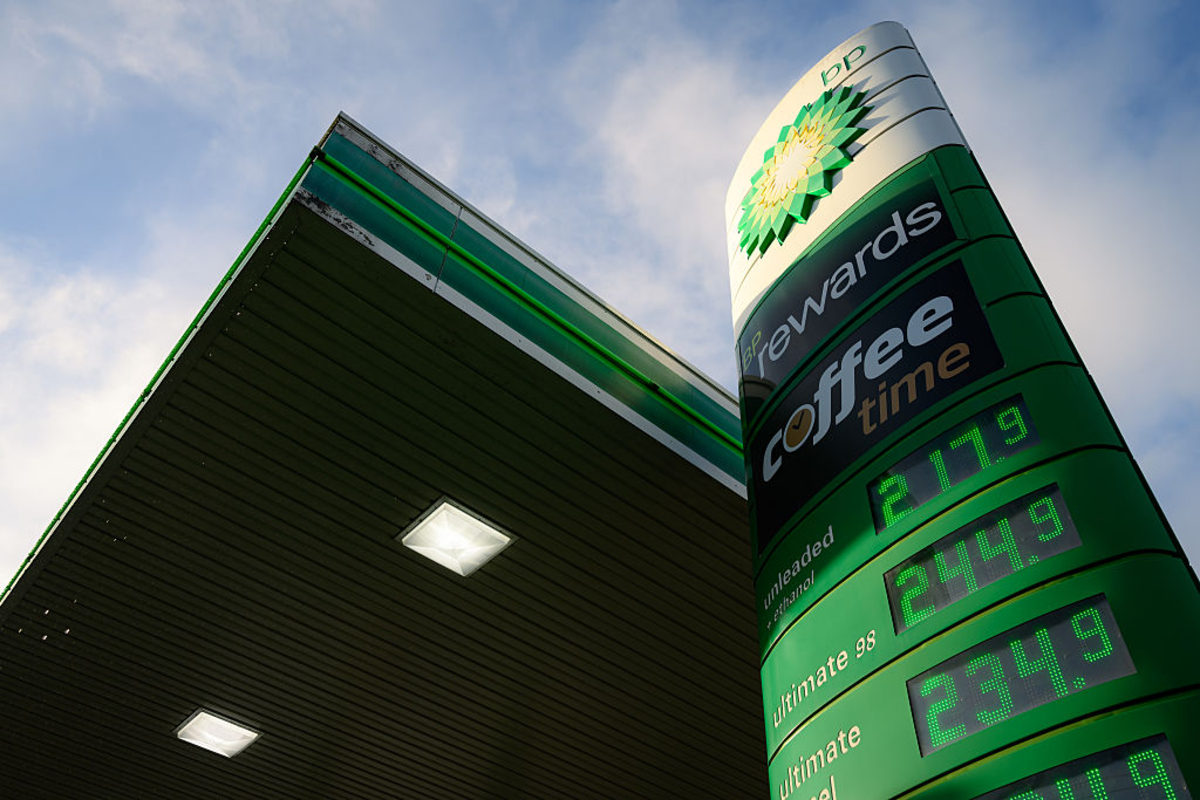
Thursday 30 April 2026 1:58 pm
BP wowed shareholders with its first quarter results – doubling profit and bolstering its balance sheet. But with an activist breathing down its neck, its new boss Meg O’Neill isn’t out of the woods yet, writes Ali Lyon
As she sat down to pen her first email to BP’s 100,000 staff, Meg O’Neill opted against sparing the radical rhetoric.
To the American oil and gas thoroughbred, who had just become the first ever female chief executive of a British energy major, there was only one course available to her new employer should it wish to avoid extending its more-than-decade-long spell of financial mediocrity.
“Right now, we’re operating in an environment of significant complexity: geopolitical tension; conflict; rapid technological change; and shifting global energy demand,” she told BP employees. “I’m committed to providing clear direction and consistency so we can move forward together with confidence.”
Alongside the memo, the former Woodside chief executive unveiled yet another corporate reset for the petrochemicals giant, returning it to its structure of old with two distinct divisions. One, its upstream division, would deal with discovering and extracting oil and gas. And the other, its downstream arm, would be devoted to refining and selling it.
#mc_embed_signup { background: #fff; clear: left; font: 14px Helvetica, Arial,sans-serif; width: 100%; max-width: 600px; margin: 20px 0; } #mc-embedded-subscribe-form { margin: 20px 0 !important; } .newsletter-form-flex { display: flex; gap: 0; align-items: center; margin-top: -10px; } .newsletter-form-flex input[type=”email”] { flex: 1; padding: 2px 10px; border: 1px solid rgb(18, 22, 23) !important; border-radius: 12px 0 0 12px !important; } .newsletter-form-flex input[type=”submit”] { padding: 4px 10px !important; margin: 0 !important; background-color: rgb(18, 22, 23) !important; color: rgb(255, 255, 255) !important; border: 1px solid rgb(18, 22, 23) !important; border-radius: 0 12px 12px 0 !important; } .newsletter-banner-content { margin-bottom: 15px; } .newsletter-banner-content h2 { margin: 0 0 10px 0; font-size: 18px; font-weight: 600; } .newsletter-banner-content p { margin: 0 0 10px 0; line-height: 1.5; } .newsletter-banner-content ul, .newsletter-banner-content ol { margin: 0 0 10px 20px; } .newsletter-banner-content a { color: #0073aa; text-decoration: none; } .newsletter-banner-content a:hover { text-decoration: underline; } .newsletter-banner-content img { max-width: 100%; height: auto; margin: 10px 0; } #mc_embed_signup #mce-success-response { color: #0356a5; display: none; margin: 0 0 10px; width: 100%; } #mc_embed_signup div#mce-responses { float: left; top: -1.4em; padding: 0; overflow: hidden; width: 100%; margin: 0; clear: both; }
Taking the shears so aggressively to BP’s historically unwieldy corporate structure left the priority of its new leader beyond doubt. The brief pandemic experiment under former boss Bernard Looney – in which the firm set itself the most ambitious renewable targets of any global energy company – had been fully consigned to the dustbin of history. Instead, O’Neill would accelerate the work begun by her immediate predecessor, Murray Auchincloss, and embrace the same hydrocarbons that powered BP to supermajor status throughout the 20th century.

Middle East tailwind carry BP to stellar first quarter
O’Neill’s energetic start would have made more waves among the BP rank and file, were it not for the fact many will have heard it all before. O’Neill is the fourth chief executive to pass through the doors of BP’s Surrey headquarters in fewer than three years. Meanwhile her reset was BP’s third since the pandemic, as that long line of bosses sought to revive the fortunes of a corporate supertanker that turns over some $189bn a year.
But if the strategic overhaul alone failed to turn heads, then BP’s first quarter trading update on Tuesday – the maiden set of results under O’Neill’s stewardship – was almost unignorable. During the first three months of 2026, profit at the group more than doubled, far exceeding both its own estimates and the expectations of analysts.
Buoyed by the historic turmoil in oil and gas markets caused by the regional conflict in the Middle East, its trading desk, which thrives in volatile markets, posted profit before tax of $3.2bn (£2.4bn); its best quarter since Russia’s Ukraine invasion.
Even more impressive was its ability to keep overall production flat, despite the closure of the Strait of Hormuz, the vital shipping lane traditionally responsible for carrying a fifth of all seaborne oil and gas traffic, over the last month of the reporting period.
The numbers had analysts gushing. Maurizio Carulli, global energy analyst at Quilter Cheviot, hailed them as “both positive and ahead of expectations”. XTB’s Kathleen Brooks simply branded them “stunning”.
They even led Ed Miliband to post a much-derided – and now-deleted – post on X. The bumper profits, he said, had vindicated the government’s decision to extend its controversial windfall tax on North Sea oil, even though over 90 per cent of them were generated beyond the UK.
 BP has been selling its depleting assets in the North Sea
O’Neill hones in on ‘critical’ work fixing BP’s balance sheet
But despite the eye-catching headline numbers, industry strategists were most encouraged by the progress – and noises – the energy major made about shoring up its historically porous balance sheet. Despite the cash coming at the expense of the company’s now-axed share buyback programme, BP revealed it had redirected the cash that would have been used to purchase shares to pay off $4.3bn of corporate bonds without reissuing them.
Read more BP reports highest profits since 2023 off the back of Iran war
“We are pleased to see the planned retirement of some hybrid debt, which will help decrease financing costs,” Carulli added, referencing the more than $1.3bn BP had been spending annually on debt interest alone for much of its recent history.
Carulli and other energy onlookers would have been even more buoyed by the 45 minutes O’Neill and her finance chief Kate Thomson spent on a call with analysts on Tuesday, when the words ‘balance sheet’ were uttered more than a dozen times.
“The balance sheet repair is critical,” O’Neill told strategists on the call, adding: “That, at the end of the day, is something that is going to be a critical focus of the leadership team over the coming years.”
As part of those same efforts, BP has also promised to double down on simplifying its sprawling portfolio, too much of which has been vastly underperforming. In December, it offloaded its lubricant business, Castrol, to an American private equity firm for $10.1bn. And last month, it sold a German refinery that had been plagued by issues Klesch Group, for an undisclosed amount. Those sales will both count towards the group’s ambitious plan to bank $20bn through asset disposals by next year. Both of those came after the even more stunning decision under Auchincloss to cancel $10bn worth of investment in renewable projects, and divert it into its petrochemicals arm.
On Tuesday’s same earnings call, O’Neill confirmed that the group would continue to evaluate the divisions and assets fit to carry forward into the slimmed-down BP, telling analysts: “Every industry needs to be asking itself which businesses are part of that [divestment].”
But while the firm’s latest trading update galvanised most of its investors – its shares popped nearly three per cent on the day despite it having already told shareholders to expect “exceptional” earnings – there are signs the supermajor’s owner-base remains restive; and divided.
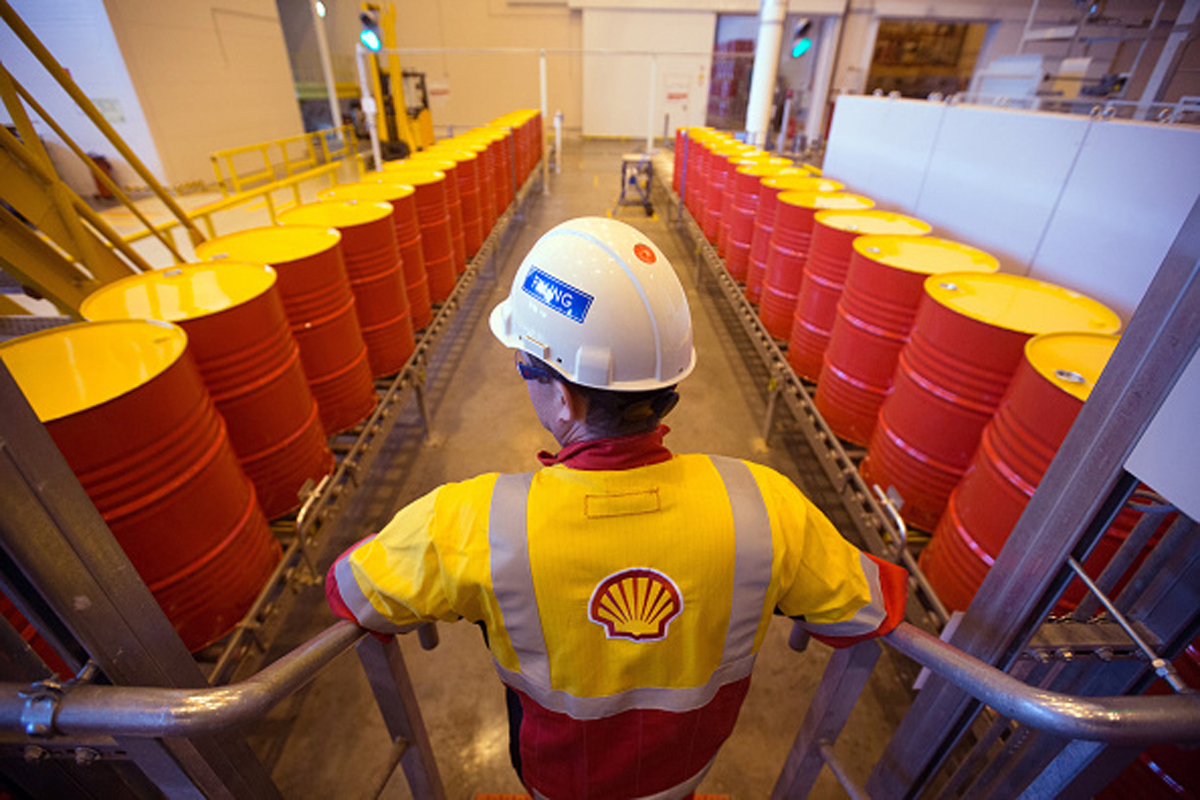 Shell ditched its pandemic-era net zero commitments earlier than London-listed rival BP
Shareholders divided over pace of oil and gas embrace
Less than a week before the results, its board lost two different votes at an eagerly anticipated annual general meeting. Shareholders rejected resolutions on shifting the gathering to a virtual affair and a plan to abandon a minor element of its climate reporting. Even more concerning was the fact nearly a fifth of shareholders rejected the reelection of new chair Albert Manifold – the ultimate figurehead for BP’s embrace of oil, gas and a simpler structure. Most chairs are reelected with near-unanimous investor support.
While unquestionably embarrassing, to Quilter’s Carulli the vote did not amount to more than a “storm in a teacup”.
“Manifold has actually done quite a good job in the past couple of months,” he told City AM. “And I don’t think we should read into this as a lack of confidence in the chair, but he is a lightning rod for other areas of dissatisfaction. Those other areas are not substantial ones, either. It’s more a warning shot that he and the board need to look out for shareholders’ wishes.”
That copybook blot notwithstanding, had you given O’Neill and Manifold the option to have a rebellion-free shareholder meeting over that accommodating first-quarter update, they would undoubtedly have booked the cold, dispassionate 113 per cent jump in profit every time.
It is hard to overstate the dire straits in which the only out-and-out British energy major found itself just a year ago. After all its chopping and changing, shares in BP from the start of 2022 to this time last year were exactly flat. Shell’s over the same period were up a buoyant 72 per cent. Things got so bad that in May 2025, rumours abounded that its Anglo-Dutch rival was lining up a mega-bid. And shortly before then, it had emerged that famed and feared activist investor Elliott Management had taken out a five per cent stake in the group, which it has used to pummel the group to accelerate its simplification.
A year on, an all arrows are pointing in a more lucrative direction. Since that nadir, the group’s stock price has risen some 63 per cent as shareholders gorged on its re-embrace of fossil fuels. And even Elliott’s uncompromising team appears sated. A person familiar with the New York hedge fund’s thinking told City AM that Manifold’s first few months had been “encouraging”, and that he has already been a “positive catalyst for change”.
Perhaps when O’Neill next sits down to address her 100,000 staff – she will be able to adopt a somewhat less alarmist tone on the state BP finds itself in. For now though, as the Elliott source went to lengths to stress somewhat forebodingly, “it’s still early days”.
Read more Mark Kleinman: O’Neill’s mission is to take BP back to the future
Similarly tagged content: Sections Categories People & Organisations Related Topics