
At the summit in Cypriot party town Ayia Napa, the comedown came quickly.
 Sebastian Starcevic, Nektaria Stamouli, Jacopo Barigazzi



As European heads of state and government dined together on Thursday in the Cypriot resort of Ayia Napa, on the first day of a two-day gathering largely focused on global politics, any sense of triumph ebbed as they confronted the many challenges and crises on their plates. While they had the luxury of not needing to put their names to a joint statement that evening, their conversation ― over lamb and ravioli ― once again exposed how hard they find it to agree on the way forward.
The good news had come earlier when, after months of delay ― mainly down to Hungarian Prime Minister Viktor Orbán’s intransigence ― his country and Slovakia dropped their vetoes on the funds for Ukraine first agreed in December. The EU also approved its 20th round of sanctions on Russia.
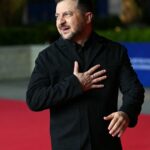
Volodymyr Zelenskyy, the Ukrainian president who joined the EU talks, seemed jollier than he had been in months, one diplomat present for some of the discussion in Cyprus said.
Not ‘realistic’
But the celebration will be short-lived. The next item on the EU’s agenda is whether, how and when to get his war-torn nation into its club. It is a likely component of any peace deal with Russia and, while the path to EU membership looks a little more feasible now Orbán is on his way out after a brutal election defeat, it is nothing like straightforward.
The turquoise waters that provided the stunning backdrop to the summit could not disguise the EU’s fractures. While Estonian Prime Minister Kristen Michal told reporters he favored “accelerating” Ukraine’s membership, Croatian Prime Minister Andrej Plenković all but scoffed at the idea of Kyiv joining anytime soon.
“I don’t think it’s realistic that it’ll happen on the first of January ’27,” he said. Croatia, which became the latest member of the bloc in 2013, “was relatively fast” to do so and it still took “six years to negotiate.”