

Barclays has taken a shot at the wave of tax speculation surrounding the industry as the bank trimmed its growth output for the year ahead. Fears the banking sector might be targeted for a cash grab have gathered pace following the war in Iran, amid concerns over mounting cost pressures.
 Samuel Norman



Tuesday 28 April 2026 9:56 am
Barclays has taken a shot at the wave of tax speculation surrounding the industry as the bank trimmed its growth output for the year ahead.
Fears the banking sector might be targeted for a cash grab have gathered pace following the war in Iran, amid concerns over mounting cost pressures.
The Middle East conflict is expected to trigger an elevated interest rate path for the year ahead and in turn add a hefty bump to banks’ bottom line.
Coupled with this, fears Keir Starmer’s premiership could be hanging by a thread have hit the sector. Should Starmer depart Downing Street, his Chancellor Rachel Reeves is expected to follow suit, which would leave the banks in a vulnerable position.
Reeves opted not to slap a tax on the banks in her last Budget, despite lobbying efforts from opposition benches, think tanks and even the Labour party’s own former Deputy Prime Minister Angela Rayner, who is tipped to take the helm after Starmer.
#mc_embed_signup { background: #fff; clear: left; font: 14px Helvetica, Arial,sans-serif; width: 100%; max-width: 600px; margin: 20px 0; } #mc-embedded-subscribe-form { margin: 20px 0 !important; } .newsletter-form-flex { display: flex; gap: 0; align-items: center; margin-top: -10px; } .newsletter-form-flex input[type=”email”] { flex: 1; padding: 2px 10px; border: 1px solid rgb(18, 22, 23) !important; border-radius: 12px 0 0 12px !important; } .newsletter-form-flex input[type=”submit”] { padding: 4px 10px !important; margin: 0 !important; background-color: rgb(18, 22, 23) !important; color: rgb(255, 255, 255) !important; border: 1px solid rgb(18, 22, 23) !important; border-radius: 0 12px 12px 0 !important; } .newsletter-banner-content { margin-bottom: 15px; } .newsletter-banner-content h2 { margin: 0 0 10px 0; font-size: 18px; font-weight: 600; } .newsletter-banner-content p { margin: 0 0 10px 0; line-height: 1.5; } .newsletter-banner-content ul, .newsletter-banner-content ol { margin: 0 0 10px 20px; } .newsletter-banner-content a { color: #0073aa; text-decoration: none; } .newsletter-banner-content a:hover { text-decoration: underline; } .newsletter-banner-content img { max-width: 100%; height: auto; margin: 10px 0; } #mc_embed_signup #mce-success-response { color: #0356a5; display: none; margin: 0 0 10px; width: 100%; } #mc_embed_signup div#mce-responses { float: left; top: -1.4em; padding: 0; overflow: hidden; width: 100%; margin: 0; clear: both; }
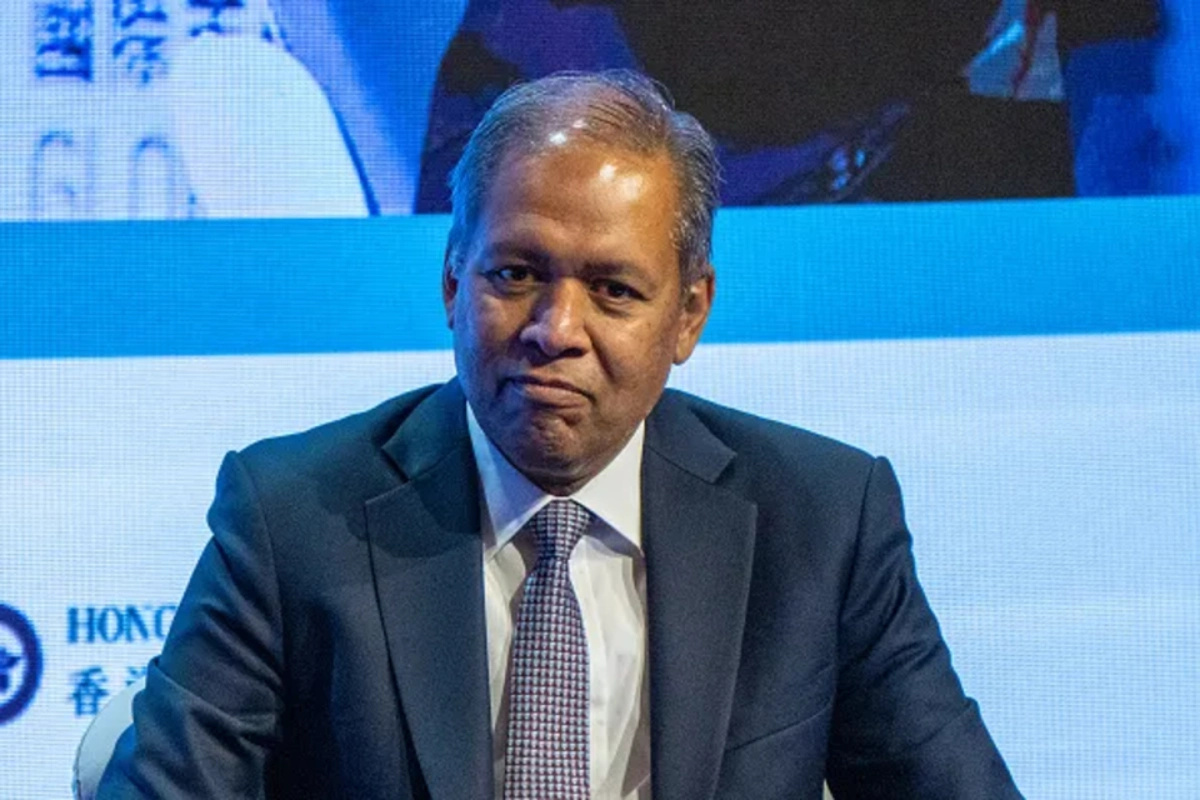
Barclays boss CS Venkatakrishnan – known as Venkat – said: “Banks in the UK are more highly taxed than they are in any other major jurisdiction.”
He pointed to the sector’s 46 per cent rate in the UK, compared to Europe ranging between 29 per cent to 40 per cent and the US’ around 20 per cent.
“We are a leading exporter of financial services in the UK. The UK needs growth. The UK needs income, and banks like ours play a really, really important role in that,” he added.
Read more Banks brace for potential tax raid if Starmer is ousted
The FTSE 100 giant’s finance chief Anna Cross added that Barclays paid nearly £2bn worth of tax in the UK last year.
“Banks dominate the list of top taxpayers in the UK, and are typically in the top four or five, and that’s because there are three specific sources of tax that we pay in addition to other sectors,” she said.
Barclays takes chop to UK economic outlook
The remarks came as Barclays gave its first-quarter earnings update, where profit crept up but growth was held back by hefty impairment charges.
The blue-chip lender also took the chop to its UK GDP outlook for the year, which has previously been viewed as optimistic to its peers.
Barclays cut its forecast for 2026 growth to one per cent, compared to 1.1 per cent previously. This still sits above the more pessimistic 0.7 per cent pencilled in by Lloyds.
Cross said the economic outlook published on Tuesday was “printed in February”.
“There’s been some deterioration in the outlook since then, and that’s one of the reasons why we’ve actually adjusted our impairment calculation, particularly in the investment bank, to put a little bit more downside bias into that impairment number,” she said.
Barclays took a more drastic cut to its house price expectations as it forecast 1.9 per cent growth for this year, down from the 2.9 per cent previously.
At the start of the year, experts had been expecting a positive year for house price growth – with the property market having broadly recovered from budget speculation and the Bank of England expected to cut interest rates.
But the Iran war has shattered the market’s hopes of rate cuts, with some economists warning the central bank could hike interest rates multiple times this year to put a lid on inflation.
Fears of interest rate hikes are causing Brits to stall house moves while they wait for more favourable mortgage conditions, and experts have said this fragile confidence is stalling price growth.
Property experts Knight Frank halved their house price expectations on Monday, slashing its price growth forecast from three to 1.5 per cent this year.
Knight Frank cited the economic shock caused by the Iran war, but it said the swirling doubts around Keir Starmer’s future as Prime Minister are also fuelling market uncertainty.
Read more Rachel Reeves to meet Lloyds and Natwest chiefs over Iran war
Similarly tagged content: Sections Categories People & Organisations