

Hedge fund billionaire Ken Griffin has questioned whether wealthy individuals understand the risks that come with investing in private credit, as the industry wobbles under pressure from investors looking to pull money out. Griffin, who founded $67bn hedge fund Citadel and trading firm Citadel Securities, is the latest in a
 Maisie Grice



Wednesday 29 April 2026 10:28 am | Updated: Wednesday 29 April 2026 10:29 am
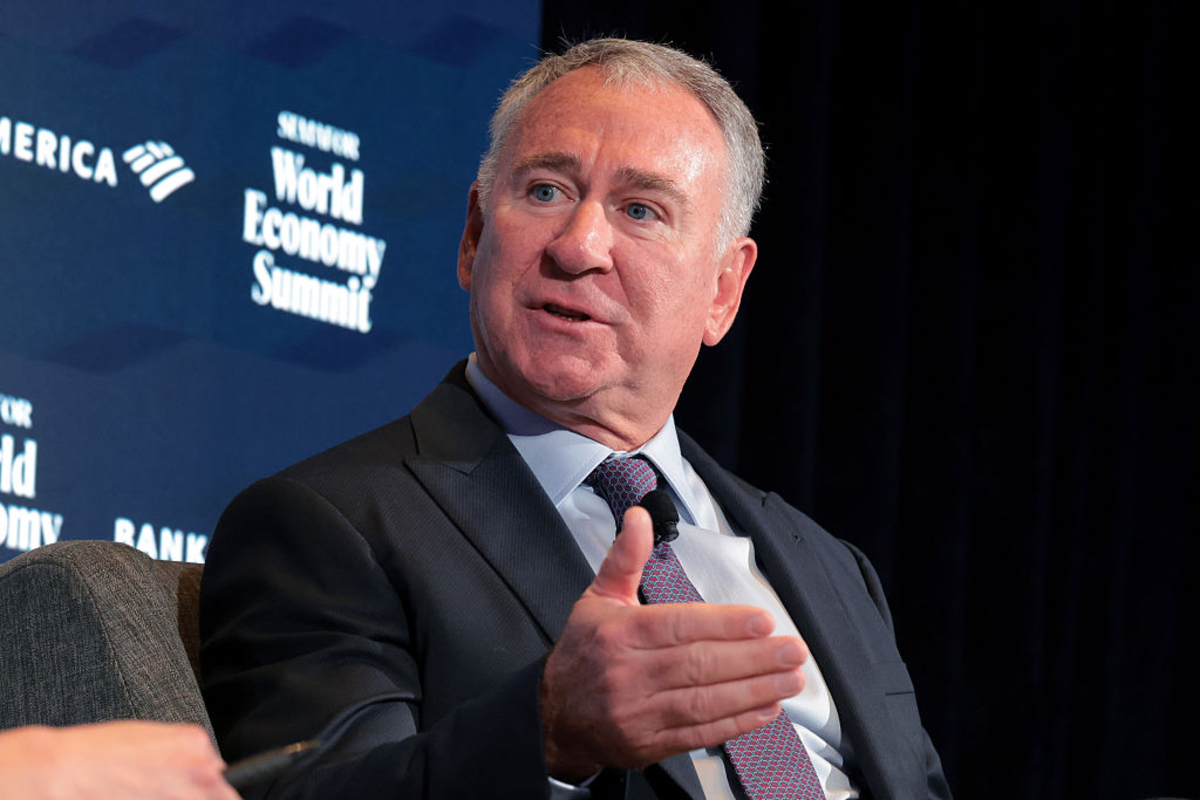
Hedge fund billionaire Ken Griffin has questioned whether wealthy individuals understand the risks that come with investing in private credit, as the industry wobbles under pressure from investors looking to pull money out.
Griffin, who founded $67bn hedge fund Citadel and trading firm Citadel Securities, is the latest in a string of high-profile financial leaders to weigh in on the fate of the industry, as fears over bad loans and redemption requests plague the sector.
The industry fell into crisis after it opened its doors to wealthy individuals, after previously being dominated by institutional investors including insurers and pension funds.
Courting retail investors often comes with the promise of regular withdrawals, with funds dubbed ‘semi-liquid’ having no formal end date.
The products attracted nearly $200bn (£148.1bn) since 2021, but it means if all individuals rush to the exit, firms have to cough up a considerable amount in a short space of time, or lock it down.
#mc_embed_signup { background: #fff; clear: left; font: 14px Helvetica, Arial,sans-serif; width: 100%; max-width: 600px; margin: 20px 0; } #mc-embedded-subscribe-form { margin: 20px 0 !important; } .newsletter-form-flex { display: flex; gap: 0; align-items: center; margin-top: -10px; } .newsletter-form-flex input[type=”email”] { flex: 1; padding: 2px 10px; border: 1px solid rgb(18, 22, 23) !important; border-radius: 12px 0 0 12px !important; } .newsletter-form-flex input[type=”submit”] { padding: 4px 10px !important; margin: 0 !important; background-color: rgb(18, 22, 23) !important; color: rgb(255, 255, 255) !important; border: 1px solid rgb(18, 22, 23) !important; border-radius: 0 12px 12px 0 !important; } .newsletter-banner-content { margin-bottom: 15px; } .newsletter-banner-content h2 { margin: 0 0 10px 0; font-size: 18px; font-weight: 600; } .newsletter-banner-content p { margin: 0 0 10px 0; line-height: 1.5; } .newsletter-banner-content ul, .newsletter-banner-content ol { margin: 0 0 10px 20px; } .newsletter-banner-content a { color: #0073aa; text-decoration: none; } .newsletter-banner-content a:hover { text-decoration: underline; } .newsletter-banner-content img { max-width: 100%; height: auto; margin: 10px 0; } #mc_embed_signup #mce-success-response { color: #0356a5; display: none; margin: 0 0 10px; width: 100%; } #mc_embed_signup div#mce-responses { float: left; top: -1.4em; padding: 0; overflow: hidden; width: 100%; margin: 0; clear: both; }
But Griffin, in an interview with the Financial Times, argued investors do not understand the liquidity of the industry.
He said: “The real issue here is the liquidity mismatch between the retail investor and the duration of the investments.
“We live in a world where retail investors have become accustomed to having immediate liquidity for their investments . . . investing in private credit is a different story.”
Big firms feel the crunch
Some of the world’s largest alternative investment firms have felt the crunch, including Blackstone, Apollo, Blue Owl and KKR, after launching funds aimed at wealthy investors, with Griffin questioning if retail investors truly understood “the nature of the investment they were making”.
Blue Owl was the first to show signs of crumbling under the pressure after aggressively enticing retail investors, limiting withdrawals from two of its flagship funds after a wave of redemption requests and concerns of its exposure to software.
Read more Blue Owl Capital outlook cut to negative amid private credit woes
Rating firm Moody’s eventually cut its outlook on the firm from stable to negative this month after the flock of requests, which it expects to “persist in the coming quarters” as well as potential slowing of inflows.
JP Morgan boss Jamie Dimon also warned in his annual letter to shareholders that losses for lenders to highly indebted companies will be higher than many expect because of weaker lending standards.
Speaking at Norges Bank Investment Management Conference on Tuesday, he also warned that this will lead to a potential credit recession which “will be worse than people think”.
Goldman Sachs bites back
But Goldman Sach’s president rebuffed claims that the crisis was primarily driven by investors, instead criticising firms for failing to clearly market private credit funds to individual investors.
John Waldron, president and chief operating officer at the investment bank, said private credit’s “massive growth” required attention, as retail investors now account for a fifth of the market’s size.
Speaking at a Semafor event earlier this month, he said: “Not everybody has marketed their product as clearly as, certainly we would like to see with the clarity that this is really not a liquid product.
“It’s not semi-liquid. It’s really illiquid. Those retail investors, I think, have the perception of more liquidity than is the reality.”
Investors in Goldman’s own semi-liquid private credit fund sought to redeem just under five per cent of their assets in the first financial quarter, up from 3.5 per cent in the final three months of 2025.
But this was below the industry average and the firm fulfilled all of its redemption requests.
Read more Bank of England’s Breeden warns Iran war could set off bond and private credit crisis
Similarly tagged content: Sections Categories People & Organisations Related Topics