
The EU is spending billions of euros on LNG from Russia’s Yamal Arctic facility, and accounts for 97 percent of the gas produced by the project. The LNG facility, which is based in north-west Siberia, is not currently subject to the EU’s sanctions regimes against Russia.
 Benjamin Fox



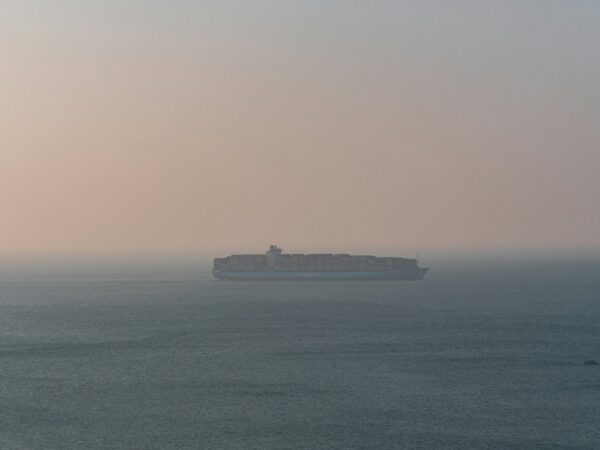
The EU is the dominant consumer of liquified natural gas (LNG) from Russia’s Yamal Arctic project — despite promising to end imports of Russian fossil fuels at the end of this year, according to new data published on Friday (10 April).
The EU imported 69 cargoes of LNG from Yamal Arctic, generating an estimated €2.88bn in payments to the Kremlin.
The figures, published by German environmental NGO Urgewald, are at odds with the EU’s professed commitment to end imports of Russian fossil fuels.
Urgewald warned that Europe has become the “indispensable market” for Yamal Arctic.
In total, 97 percent of all Yamal Arctic LNG deliveries between January and March went to the EU. China received just two cargoes in January and none in February or March.
The LNG facility, which is based in north-west Siberia, is not currently subject to the EU’s sanctions regimes against Russia.
The import data also demonstrates the economic benefit to the Kremlin caused by the Iran war.
Russia has raked in an estimated €6bn from fossil fuel exports since the start of the war. In March, gas prices rose from the €35 per MWh benchmark used for January and February to €52.87 per MWh in March, meaning that the EU was paying 51 percent more for its LNG.
“The EU continues to keep Russia’s Arctic LNG sector afloat,” said Urgewald’s Sebastian Rötters. “By maintaining its dependence on gas, the EU has knowingly risked another energy crisis,” he added.
The EU Commission has set great store in how it has diversified the bloc’s energy since 2022. Russian gas now accounts for around 12 percent of the EU’s supply, down from 45 percent in 2022, with Norway, the United States and Algeria now the main suppliers.
The EU’s trade agreement with the US Trump administration includes a promise that the bloc will buy $750bn [€640bn] of US energy by 2028, primarily LNG.
In the months after Russia’s full-scale invasion of Ukraine in February 2022, the EU executive set up a €300bn REPowerEU plan to help member states secure new supplies and keep a lid on consumer energy bills which soared after Russia threatened to end its supply of gas.
The bloc has since committed itself to ending imports of Russian LNG in December, and of piped natural gas by autumn 2027.
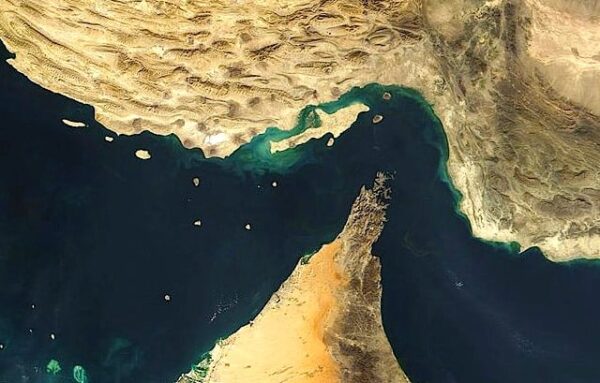
However, the US-Israeli war against Iran has again exposed the EU’s vulnerability to oil and gas price shocks.
In her speech at the annual Nuclear Energy Forum in March, EU commission president Ursula von der Leyen pointed to the EU’s reliance on fossil fuel imports and said that the new Middle East war had offered “stark reminder of the vulnerabilities this creates”.