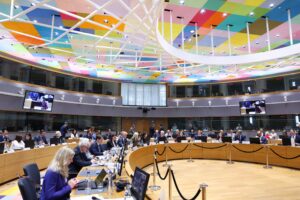

Kosovo’s biggest religious communities stand accused of meddling in the work of parliament to block passage of legislative changes that would expose them to new financial scrutiny and provide legal recognition for an array of other faith groups.
 Serbeze Haxhiaj



The current Law on Religious Freedom, adopted the year before Kosovo declared independence from Serbia in 2008, provides no mechanism for the legal recognition of a religious community, but it does name five existing communities: the Islamic Community of Kosovo, the Serbian Orthodox Church, the Catholic Church of Kosovo, the Jewish Community, and the Evangelical Church.
Subsequently, these five have benefitted from tax breaks and customs waivers not available to other unrecognised religious communities.
The rest, according to a 2014 opinion by the Venice Commission, a constitutional advisory body of the Council of Europe, are prevented from “carrying out daily activities – including owning and registering property and vehicles, opening bank accounts, and paying taxes on employees’ salaries”.
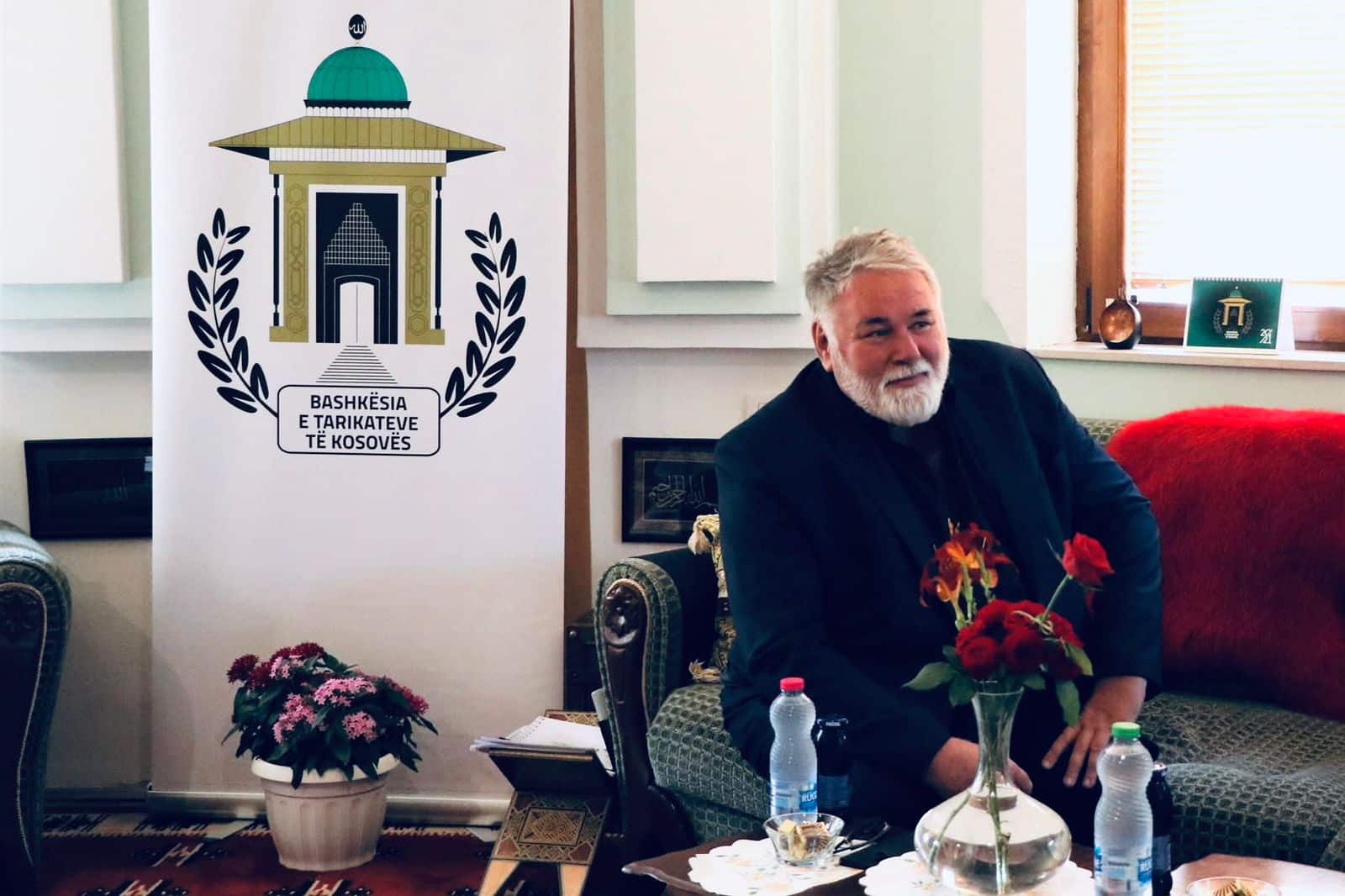
This isn’t strictly true for all unrecognised religious communities. The Community of Tariqa, for example, might not have formal legal status, but has managed to open a bank account and obtain a tax ID due to what Kosovo’s Ombudsperson in 2010 called a “legal vacuum”.
Many others settle for the status of a non-governmental organisation, NGO. BIRN identified 56 NGOs as engaged in religious activities and registered mainly with the interior ministry.
“Now we have a fiscal number like all the others, and we are not concerned about recognition,” Shehu told BIRN.
Nevertheless, the United States, the European Union and the Organisation for Security and Cooperation in Europe, OSCE, have all called for the Law on Freedom of Religion to be amended.
Whether Shehu’s Community really does gather 300,000 followers is impossible to verify, since there is no precise data in Kosovo’s latest census. Under the amendments, it would only need at least 50 members to be recognised.
But if Shehu’s estimate is anywhere close to reality, recognising the Community of Tariqa risks dramatically reducing the sway of the Islamic Community. Adoption of the amendments would also expose the big religious communities to new financial oversight.
For its part, the Serbian Orthodox Church fears the amendments may infringe on its autonomy and give the state new ways of exerting pressure.
“We want to keep the Muslim community united,” said Naim Ternava, head of the Islamic Community.
But he denied putting pressure on political parties, telling BIRN: “We didn’t influence the vote.”
Like the Islamic Community, the Serbian Orthodox Church also denied putting any pressure on MPs, but criticised the amendments as failing to address the Church’s broader legal status.
Under Kosovo’s constitution, the amendments require a two-thirds majority in parliament as well as two thirds of deputies holding seats reserved for non-majority communities, which includes Serbs.
“Legal personality cannot be treated as a substitute for the wider guarantees required in the specific case of the Serbian Orthodox Church,” Aleksandar Radovanovic, chief legal adviser to the Diocese of Raska and Prizren, told BIRN.
The status of the Orthodox Church has long been a sensitive issue in Kosovo given its links to Belgrade, which lost control over Kosovo in 1999 at the end of a war in which Serbian forces killed thousands of Albanian civilians and forced out almost a million. Serbs account for less than 10 per cent of the Kosovo population.
“The law should include a clear safeguarding clause confirming any future guarantees and ensuring they cannot be diminished through administrative or legislative changes,” Radovanovic said. He also questioned the financial oversight in the amendments, saying such provisions could be wielded as “tools for repeated requests or selective pressure”.
“In Kosovo’s sensitive interethnic environment, this creates a significant risk of misuse, which is precisely the concern raised by the Diocese.”
Not everyone is opposed, of course.
“We have some remarks about this law, but we are not against it,” said Bishop Dode Gjergji of the Catholic Church in Kosovo. “On the contrary, it is very necessary for the legal functioning of the Catholic Church in Kosovo.”
Millions of euros