

Forcing all companies to allow their staff to unionise will cost SMEs £600m a year, says James Price You would be forgiven for thinking that war in the Middle East, war in Europe, energy price shocks, or perhaps an AI so powerful that its own maker refuses to release it
 James Price



Tuesday 14 April 2026 5:15 am | Updated: Monday 13 April 2026 4:28 pm
Forcing all companies to allow their staff to unionise will cost SMEs £600m a year, says James Price
You would be forgiven for thinking that war in the Middle East, war in Europe, energy price shocks, or perhaps an AI so powerful that its own maker refuses to release it would be the primary candidates for most destructive threat to Britain’s economy. You might not expect it to come in the form of a consultation response, quietly slipped out this week.
Specifically, the government has used this document to confirm that it will force open every single business employing more than 20 people to the trade unions. Like so many Easter eggs this past season, British small business will be cracked open and feasted upon.
This gift to the unions will hurt the country. The Adam Smith Institute (ASI) has calculated that it will cost £600m every single year to the 112,000 small and medium sized enterprises (SMEs) with between 21-249 employees. This is money that will no longer go towards growing the businesses of the future, preventing investment, growth, and hiring (Labour has cost the economy something like a quarter of a million jobs since Rachel Reeves’ first disastrous budget in Autumn 2024).
More than this, it fundamentally rewrites the broad economic contract that the state will protect smaller businesses from interference and allow those who pour their blood, toil, tears and sweat into their work to be the masters of their own fate. Now, small companies will have trade union commissars telling the boss what they can and can’t do, stifling creativity and depressing innovation.
#mc_embed_signup { background: #fff; clear: left; font: 14px Helvetica, Arial,sans-serif; width: 100%; max-width: 600px; margin: 20px 0; } #mc-embedded-subscribe-form { margin: 20px 0 !important; } .newsletter-form-flex { display: flex; gap: 0; align-items: center; margin-top: -10px; } .newsletter-form-flex input[type=”email”] { flex: 1; padding: 2px 10px; border: 1px solid rgb(18, 22, 23) !important; border-radius: 12px 0 0 12px !important; } .newsletter-form-flex input[type=”submit”] { padding: 4px 10px !important; margin: 0 !important; background-color: rgb(18, 22, 23) !important; color: rgb(255, 255, 255) !important; border: 1px solid rgb(18, 22, 23) !important; border-radius: 0 12px 12px 0 !important; } .newsletter-banner-content { margin-bottom: 15px; } .newsletter-banner-content h2 { margin: 0 0 10px 0; font-size: 18px; font-weight: 600; } .newsletter-banner-content p { margin: 0 0 10px 0; line-height: 1.5; } .newsletter-banner-content ul, .newsletter-banner-content ol { margin: 0 0 10px 20px; } .newsletter-banner-content a { color: #0073aa; text-decoration: none; } .newsletter-banner-content a:hover { text-decoration: underline; } .newsletter-banner-content img { max-width: 100%; height: auto; margin: 10px 0; } #mc_embed_signup #mce-success-response { color: #0356a5; display: none; margin: 0 0 10px; width: 100%; } #mc_embed_signup div#mce-responses { float: left; top: -1.4em; padding: 0; overflow: hidden; width: 100%; margin: 0; clear: both; } Strikes
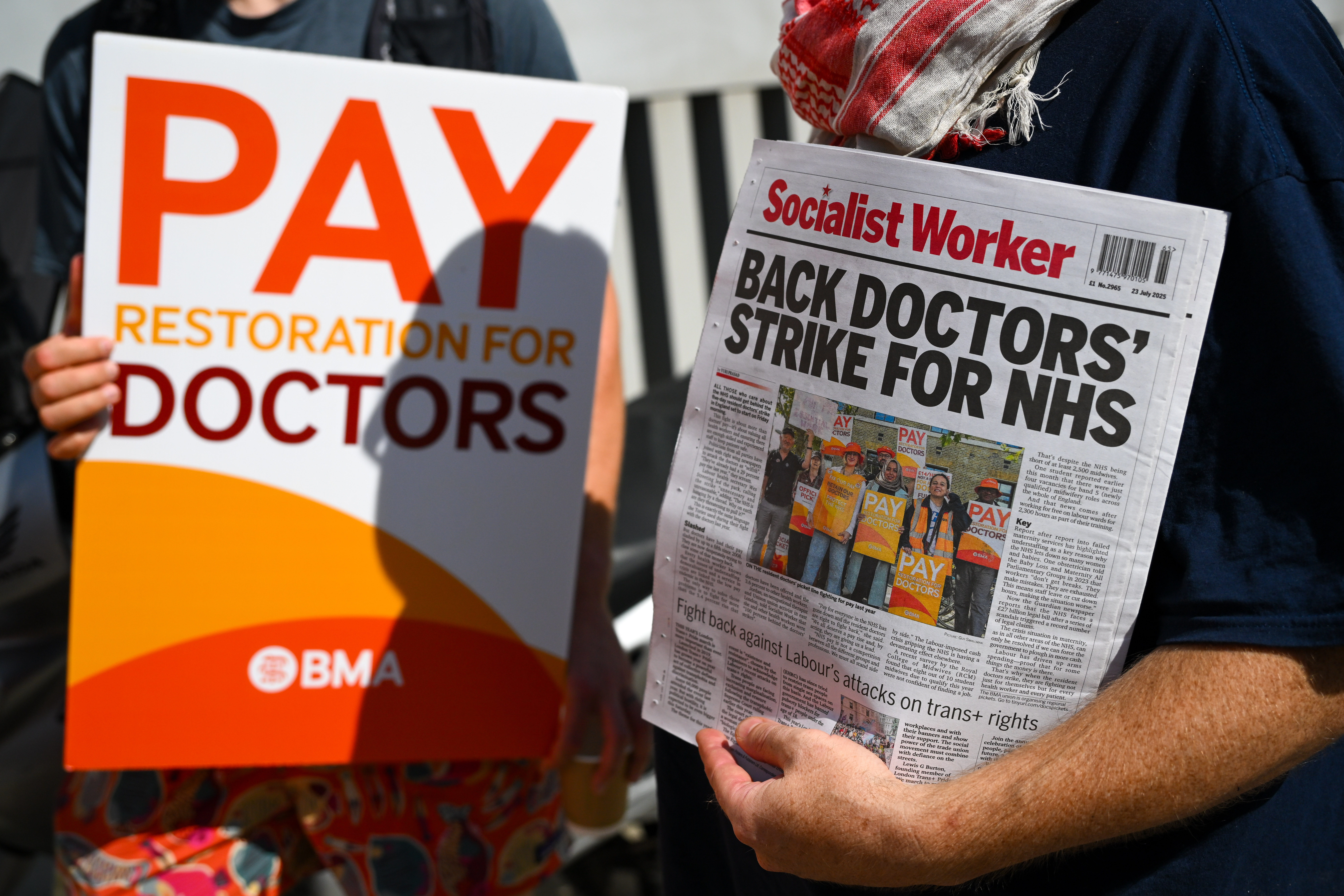
Just look at the influence of the trade union movement to Britain today. Labour gave the junior doctors everything they wanted (a whopping 28 per cent pay rise) and the result? As you read this they are on strike for even more. Meanwhile, thousands of procedures have been cancelled, appointments put off, lives put on hold. This is what trade unions do; enrich their members at the expense of the many. It is, in that regard, the complete opposite of capitalism, which only works by the mutual benefit of both sides being adequately achieved.
The ASI has some remarkable balanced policy alternatives to mitigate these costs, having ignored my suggestion that trade unions’ demands were to be printed off and used as alternative fuel until the Strait of Hormuz has reopened. They proposed a few incredibly moderate policies: exempting all SMEs from mandatory access, reducing the maximum frequency of union visits from weekly to monthly, and limiting union activities to lunch and rest breaks. And we should also only permit access to workplaces with at least two existing union members, so as to ensure at least some level of desire on behalf of workers.
There was broad hope across SMEs that these sorts of compromises would be accepted by Labour. Instead they have capitulated to their paymasters. We will all suffer from paying such bribes, whether in the form of actual money or just raw power, to such endlessly greedy organisations. Just ask those striking junior doctors.
A friend told me sardonically that he was just starting Rudyard Kipling’s famous poem Dane-geld. “I’m only just at the start, but I’m confident that if they pay these Danes to go away, that will be the problem sorted for good” he joked. Except the effect of Labour’s debasing appeasement of their trade union masters is not funny. They have paid Dane-geld, with taxpayers’ cash. And now they are ripping open small business for the unions to plunder like a Viking raid. And we may never get rid of the Dane.
Read more Closed shop? Not for long: How new laws are opening doors for trade unions
Similarly tagged content: Sections Categories People & Organisations