

CodeWords, a London-based AI agent platform that lets users run their business on autopilot, has raised a €7.6 million ($9 million) Seed round to fund the expansion of its go-to-market and engineering teams. The round was led by Visionaries, with participation from Firstminute Capital (which first backed the company at
 Rahul Raj



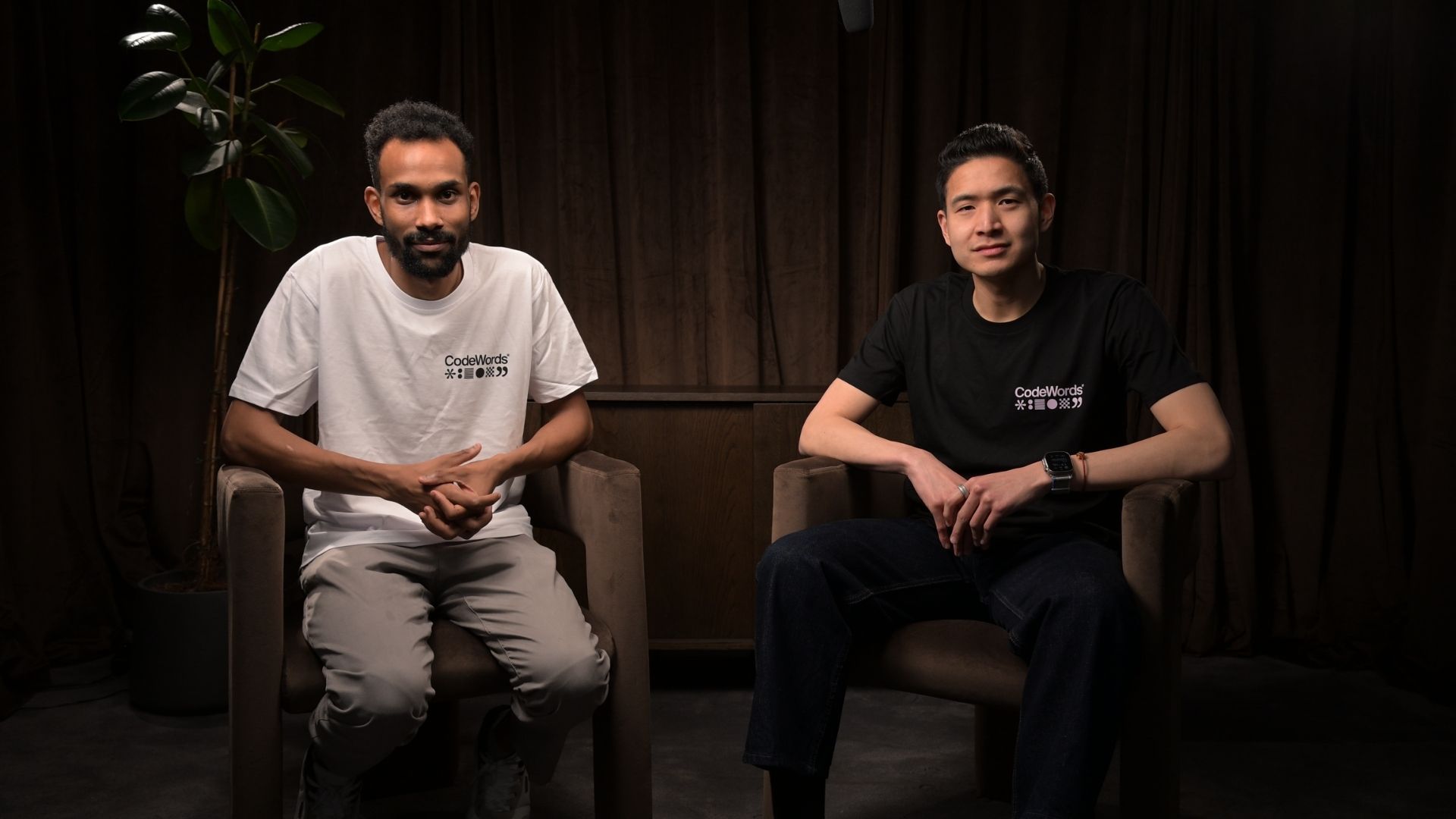
CodeWords, a London-based AI agent platform that lets users run their business on autopilot, has raised a €7.6 million ($9 million) Seed round to fund the expansion of its go-to-market and engineering teams.
The round was led by Visionaries, with participation from Firstminute Capital (which first backed the company at pre-Seed), Sequel, and Illusian, the family office of Europe’s most renowned unicorn founders. They were joined by angel investors and advisors, including Andrey Khusid (CEO of Miro), Mati Staniszewski (CEO of ElevenLabs), Hanno Renner (CEO of Personio), Robert Gentz (CEO of Zalando), Ilkka Paananen (CEO of Supercell), Alexandre Berriche (Founder of Fleet), Kieran Flanangan (CMO at Hubspot), and François Chollet (Co-founder of the ARC Prize), along with leaders at OpenAI, Mistral, n8n, and Zapier.
“The best operators don’t wait to be asked. We built Cody on the same principle — an agent that learns about your business, sees what needs doing, and delivers outcomes,” said Aymeric Zhuo, co-founder, CodeWords.
Founded by Aymeric Zhuo and Osman Ramadan, CodeWords builds Cody, an AI agent that learns about users’ businesses and acts before they ask. According to the company, Cody handles the tasks the team keeps doing manually, leaves them running automatically on CodeWords’ infrastructure, and gets smarter the longer it works with you. That startup claims that it does not require any code, deployment, or maintenance.
The company started as Agemo, an AI research lab known for its neurosymbolic reasoning approach through code, which was featured in the ARC-AGI benchmark alongside OpenAI in December 2024.
“But co-founders concluded the research, however promising, was a distraction from a more important question: what would it look like to build an agent that actually worked for people who couldn’t afford for it not to? Within months, they had pivoted, and CodeWords was in beta,” the company mentioned in the press release.
According to the company, unlike most AI tools, CodeWords doesn’t wait to be told what to do. At the core of the platform is Cody, CodeWords’ AI agent. It learns the business from day one, including the tools, goals, patterns, and gets to work by suggesting and building automations.
Those automations run automatically, doing the work in the background across thousands of integrations and across messaging tools. The company describes a use case where a content agency directed Cody to its social media channels. Cody now identifies relevant content, drafts posts, sends them through WhatsApp for approval, and publishes automatically, tasks that previously needed an IT team to develop and manage.
In another use case, an automation agency built a fleet of agents to deliver lead generation services to its client base. Cody already handles 500,000 of these tasks a month, says the company.
“Unlike vibe coding tools, CodeWords aims to go beyond prototyping and brittle automations by putting personalised AI to work for non-technical people — every agent runs entirely on CodeWords’ infrastructure, handling deployment, maintenance, and all the setup,” mentions the company.
In addition to this round, CodeWords is launching three new capabilities: contextual memory, which lets Cody learn from past activity and context so it can act before it’s asked; WhatsApp support, so Cody can reach users where they already are; and Cody modes, which adapt how it plans and executes depending on the task at hand.
“We want users to feel like they’re working with an agent that already knows their business. Cody learns continuously — so instead of starting from scratch every time, it’s already thinking about what you need next,” said Osman Ramadan, co-founder, CodeWords.
The company’s goal is to make Cody the agent that runs in the background of every business, learning, anticipating, and acting, enabling teams without IT resources to operate like those that have them.