
Far-right and centre-right factions have long resisted creating such an ethics oversight body, although the vote squeaked through by 296 votes in favour, 292 against.
 Nikolaj Nielsen



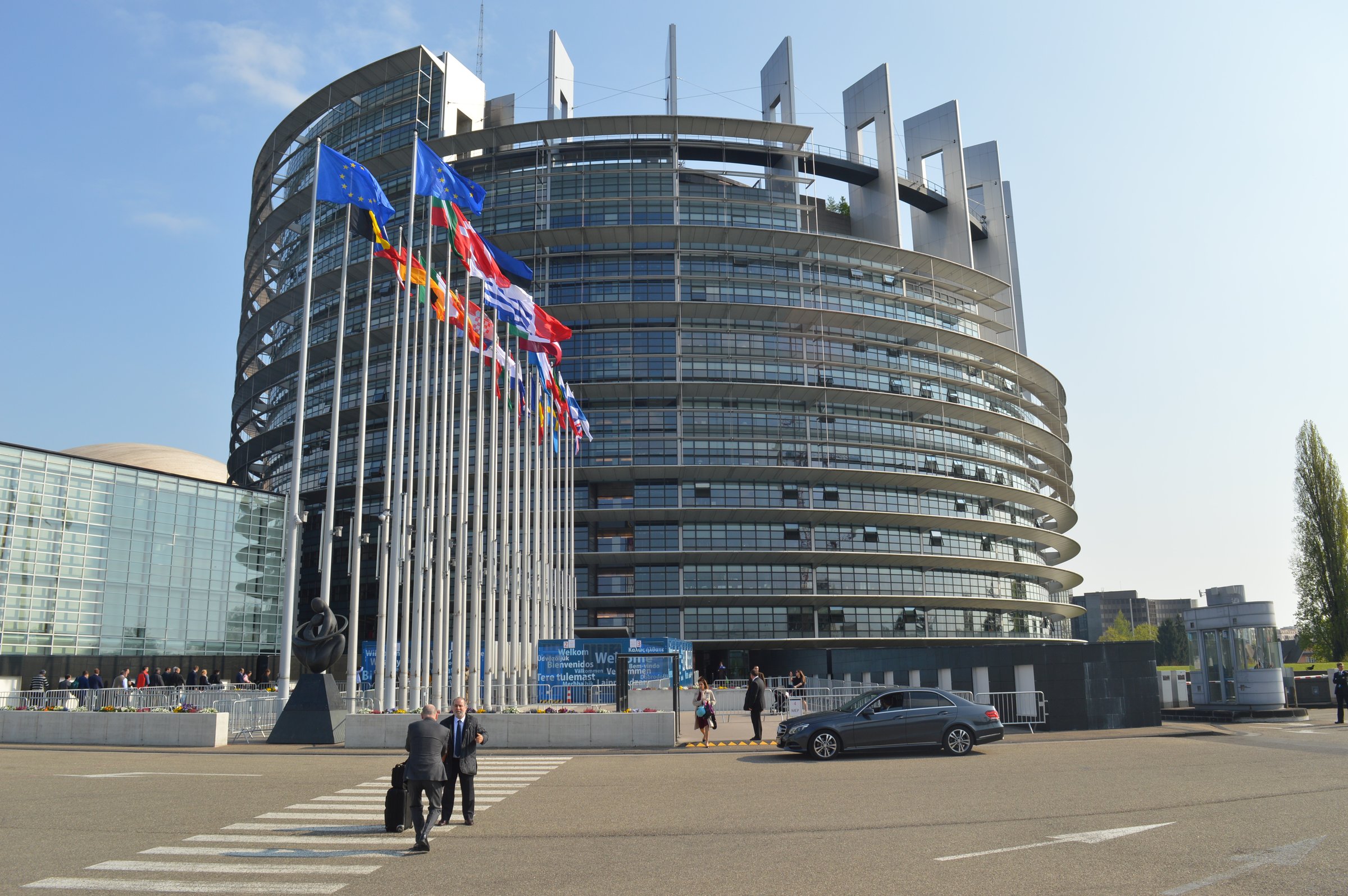
The European Parliament has greenlit the possible launch of a new ethics oversight body, securing just enough votes in a tightly-contested plenary session.
The socialist-drafted amendment buried in a key budget report passed by a razor-thin margin on Wednesday (29 April) — with 296 votes in favour to 292 against, even as the plenary shot down broader pro-transparency proposals.
Far-right and centre-right factions have long resisted creating such a body, raising questions about how the vote squeaked through.
MEPs voted under a provision shielding their names from public record, fuelling speculation that some centre-right members from the European People’s Party may have broken ranks with their party’s own stance.
A rival amendment from the liberal Renew Europe group sought the same outcome but required a public roll-call vote exposing MEP identities.
It was decisively rejected.
Yet even with the S&D amendment’s passage, mandating the European Parliament to launch it only after a two-year delay, its actual establishment remains far from certain. The amendment demanded that parliament comply without any further delay.
“We hope that this will mean that finally, something will will move,” said Shari Hinds at the Brussels-office of Transparency International.
The body is designed to set minimum ethics standards across eight different EU institutions, including the European Parliament.
The EU agreed in May 2024 to set up the watchdog but crucially, it would have no investigative powers or ability to sanction any wrongdoing.
Even after being stripped of any real powers, the ethics body has faced consistent opposition from the centre-right European People’s Party (EPP), which torpedoed moves last year to integrate the assembly into its fold.
That position was echoed earlier this week by Romania’s Loránt Vincze from the EPP, who said the European Parliament has no intention of fully cooperating with the ethics body, arguing that such probes need to remain in-house.