
Lithosquare, a Paris-based startup that deploys Geology AI and geologist-led intelligence to amplify and accelerate the discovery of transition-critical minerals, has raised €21.3 million ($25 million) in fresh funding. The round was co-led by World Fund and Kindred Capital, with participation from Daphni, Omnes Capital and Ovni Capital. The company
 Rahul Raj



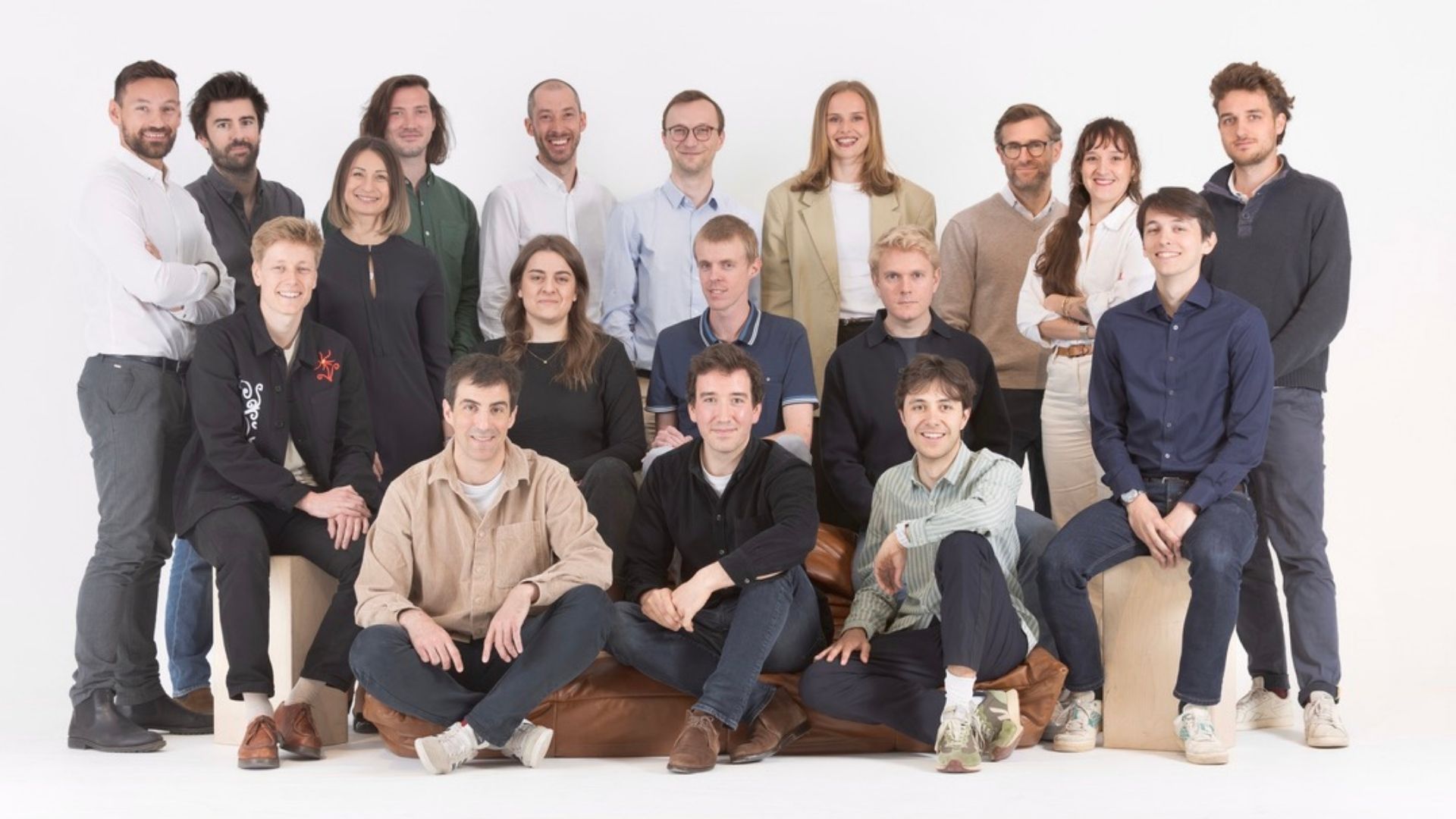
Lithosquare, a Paris-based startup that deploys Geology AI and geologist-led intelligence to amplify and accelerate the discovery of transition-critical minerals, has raised €21.3 million ($25 million) in fresh funding.
The round was co-led by World Fund and Kindred Capital, with participation from Daphni, Omnes Capital and Ovni Capital. The company plans to use this funding to accelerate the discovery and development of critical metals deposits at a time when existing supply chains cannot meet global demand.
“We spent years working in mineral exploration and watched the same bottleneck slow every project: too much time processing data, not enough time on actual geology and fieldwork. Lithosquare turbocharges geologists and exploration teams by bringing together deep geological science and AI to fundamentally rethink how mineral deposits are discovered, accelerate exploration, and support the energy transition at scale,” said Aymeric Préveral-Etcheverry, co-founder and CEO, Lithosquare.
Lithosquare was founded in 2024 by mining engineer Aymeric Préveral-Etcheverry, with Simon Leclair joining as founding COO shortly after. The company “radically” accelerates mineral exploration by combining foundational AI, geological expertise, and real-world data. It accelerates the discovery of critical minerals for the energy transition. Lithosquare helps exploration companies generate more targets, discover deposits faster, and increase certainty about where to drill.
According to the company, by 2040, the supply gap for critical metals like copper, lithium, and nickel could hit €299.4 billion ($350 billion). Lithium demand, vital for EV batteries and grid storage, is anticipated to increase by over 400%, while copper demand is expected to grow by about 50%, fueled by electrification, AI data centres, and grid infrastructure.
It further states that recycling alone cannot meet this demand, so more than 1,000 new mineral deposits must be discovered. Mineral exploration today is still slow, highly manual, and has low success rates. It usually takes 7 to 15 years to go from initial exploration to discovering a deposit, with geologists dedicating up to 80% of their time to data processing and analysis.
Lithosquare asserts that its platform automates and accelerates exploration workflows by combining foundational AI with science-based geological models of the subsurface. Unlike existing AI tools that apply pattern-recognition models to geological data, the platform leverages a deep understanding of metal deposit formation.
The company states that this enables more accurate targeting and deposit development decision-making. Lithosquare claims to reduce analysis timelines from months to days, by increasing exploration and discovery efficiency by up to 10x.
The platform is designed to work alongside geologists, augmenting their work so teams can focus on geological interpretation and discovery. This improves targeting precision, reduces unnecessary drilling and associated emissions, and enables faster development of new mineral supply.
Lithosquare positions itself as a prime example of European-origin technology that contributes to long-term Western resilience and reduces dependence on a few actors, including China, which controls ≈50% of rare earths extraction.
Dr Nadine Geiser, Principal at World Fund, said, “The energy transition depends on faster and more efficient discovery of critical raw materials. Lithosquare is not solving a niche geology problem: it’s removing a supply constraint that affects every sector of the economy, from EV manufacturing to AI data centres. Aymeric and Simon are building the critical discovery infrastructure that the energy transition depends on, and we backed them to do it at scale.”
The company plans to use this funding to grow its expert team, support continued platform development, and expand globally. The founders are already working with mining companies across the US, Europe, Africa and Latin America.