

Cambridge-based medtech PlaqueTec has raised $5m (£3.7m) in an oversubscribed financing round funded by the company’s existing investor base. PlaqueTec is pursuing a better understanding of the biological mechanisms of atherosclerotic cardiovascular disease (CVD) to advance the development of precision medicine. Atherosclerotic disease causes plaque build-up that narrows or blocks
 Kirstie Pickering



Cambridge-based medtech PlaqueTec has raised $5m (£3.7m) in an oversubscribed financing round funded by the company’s existing investor base.
PlaqueTec is pursuing a better understanding of the biological mechanisms of atherosclerotic cardiovascular disease (CVD) to advance the development of precision medicine.
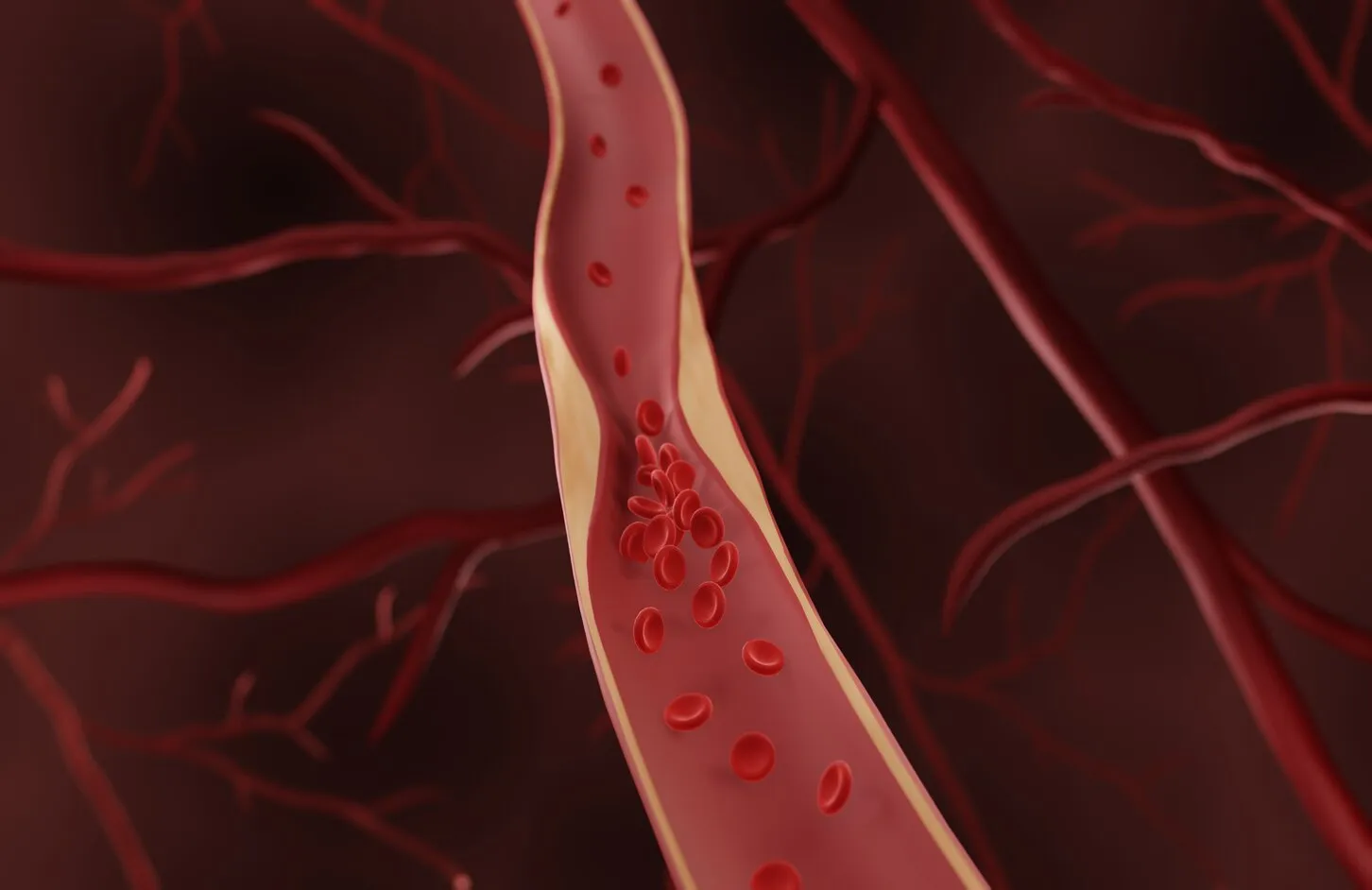
Atherosclerotic disease causes plaque build-up that narrows or blocks the arteries that supply blood to the heart, brain and limbs, and is a leading cause of death globally. Current treatment approaches are mostly one-size-fits-all and therefore ineffective for many patients.
To address this, PlaqueTec has developed a proprietary technology and data analysis platform to endotype patients – which mean highlighting a subtype of the disease – and also uncover potential biomarkers of coronary vascular function and plaque progression.
The new investment will support the continued build-out of PlaqueTec’s proprietary cardiovascular data lake, BioCarta, a repository of unique intracoronary proteomic and clinical data.
BioCarta will provide a novel site-of-disease strategy to inform how inflammatory risk in CVD is targeted, providing more accurate assessments of disease than current approaches and better informing targeted therapeutic interventions.
“The decision by our existing shareholders to reinvest, and to do so at a level that exceeded our target, speaks directly to their confidence in what PlaqueTec’s data is revealing about cardiovascular disease,” says Martin Stapleton, chairman at PlaqueTec.
“We are building something genuinely differentiated: a high-resolution, intracoronary data asset that is poised to underpin the next generation of cardiovascular therapeutics. This round validates that strategy and gives us the runway to prove it.”