
BELGRADE – Centre for Contemporary Politics (CSP), a Belgrade-based think tank, has published a policy brief on Serbia’s efforts to open Cluster 3 in its EU accession process. According to the findings of the policy brief, some specific reforms that Serbia pledged to implement were fulfilled, but the areas of
 EWB
EWB



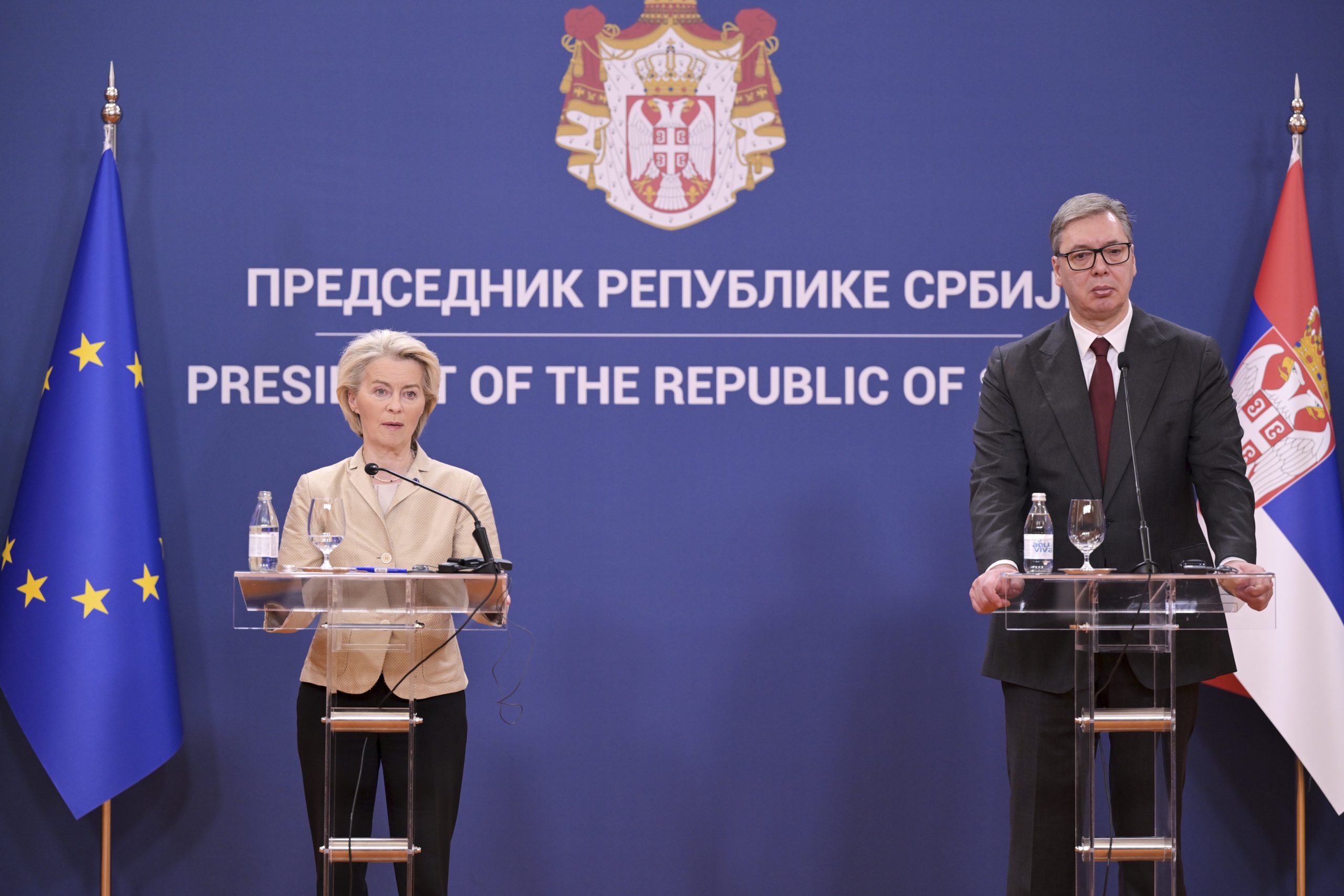
BELGRADE – Centre for Contemporary Politics (CSP), a Belgrade-based think tank, has published a policy brief on Serbia’s efforts to open Cluster 3 in its EU accession process. According to the findings of the policy brief, some specific reforms that Serbia pledged to implement were fulfilled, but the areas of democracy, acceleration of overall alignment with the EU acquis, and foreign policy alignment saw little to no genuine improvement.
You can read the full policy brief here.
According to the document, after failing to make progress in the EU accession process for four years, the Serbian government claims it is being treated unfairly by the Member States.
“However, the evaluation of the implementation of the 2024 non-paper, which the government submitted in an attempt to persuade them to green-light the opening of new chapters, shows mixed results at best”, CSP assesses.
Although this non-paper was not officially published, it was available to the authors of this policy brief. Their findings show that the claims Serbian officials made that they had ‘done everything’ required to open Cluster 3 were not accurate.
Among the pledges that were not fullfilled are the election of an independent Regulatory Authority for Independent Media (REM), “full and timely implementation of ODIHR recommendations regarding elections”, acceleration of the alignment with EU acquis and consistent alignment with EU foreign policy.
In addition, in January 2026, the Serbian parliament adopted highly controversial laws on the judiciary at the time of the ongoing investigations against several current and former government ministers.
“Both the European Commissioner for Enlargement Marta Kos and the EU Ambassador to Serbia openly criticised the laws, assessing that these laws mark a step back when it comes to the independence of the judiciary”, CSP reminds.
Among the recommendations, CSP states that “Member States of the European Union should approve the next step with Serbia (opening of Cluster 3 and possibly other clusters) only after there is enough evidence of genuine implementation of reforms related to the functioning of REM and voter register audit”.