Dr Julia Cooney is the founder and chief executive of Prema Cognition, a health tech firm developing a new method to detect dementia early. In this week’s Founder in Five Q&A, Cooney discusses why founders need to own the big decisions they make for their companies, her experience founding a startup
 UKTN
UKTN



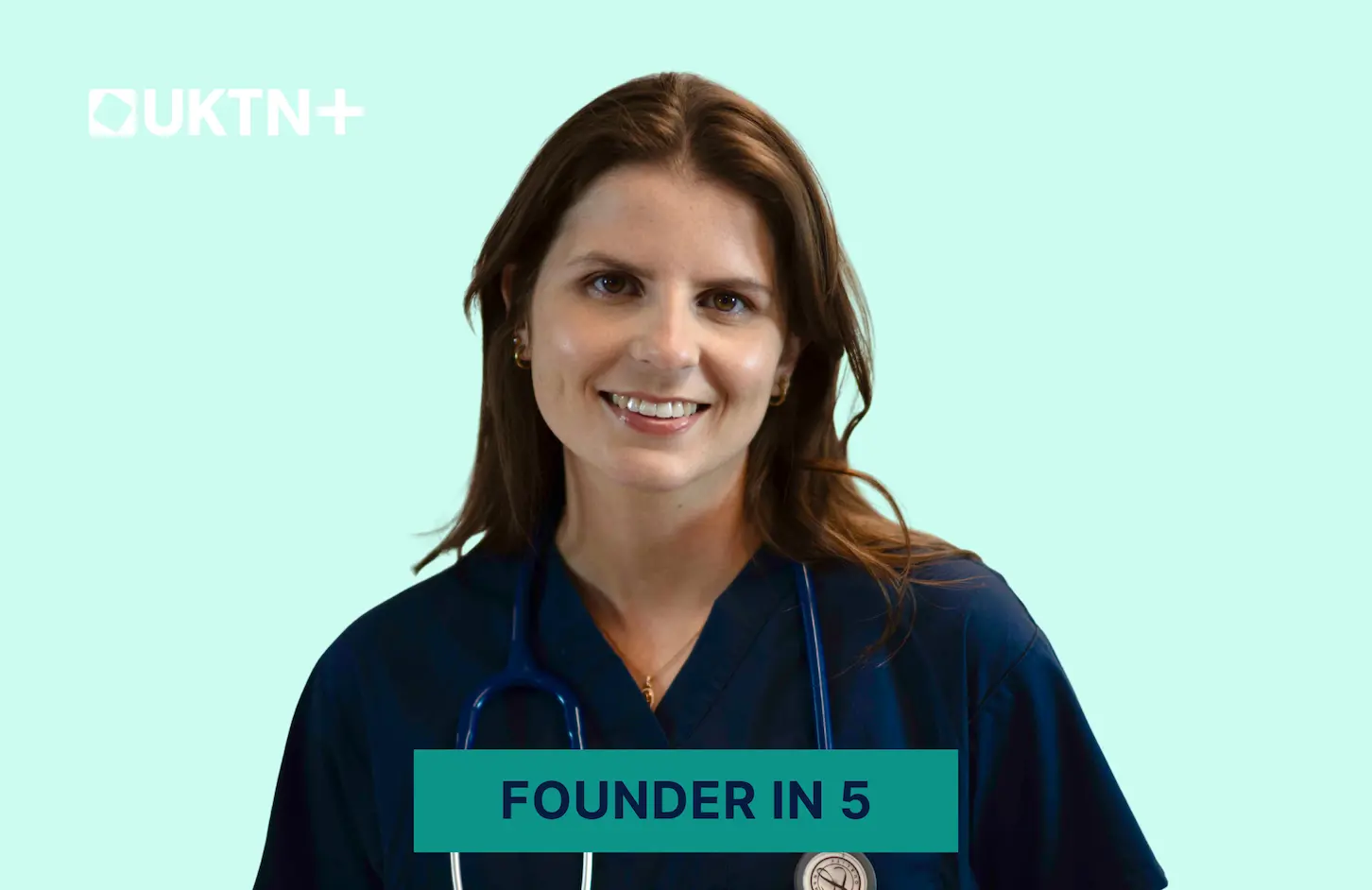
Dr Julia Cooney is the founder and chief executive of Prema Cognition, a health tech firm developing a new method to detect dementia early.
In this week’s Founder in Five Q&A, Cooney discusses why founders need to own the big decisions they make for their companies, her experience founding a startup at the same time as training as a doctor and the future of cryopreservation.
What’s your worst pitching experience?
Pitching to a room full of anonymous investors who do not understand or care about your problem is a waste of time.
Some of my worst pitching experiences have been at large conferences with rooms full of investors across broad sectors. I have wasted time and money at pitching competitions that promise founders would walk away with term sheets, but in reality, it rarely works like that.
The biggest takeaway was that context and industry knowledge matters a lot in fundraising. The easiest investment I’ve secured came through networking and warm introductions to people who understand and care deeply about the problem space.
What’s a common mistake that you see founders make?
One of the most common mistakes I see founders make is hesitating to take ownership of big decisions.
I was very guilty of this myself, I used to over-democratise decision-making, bringing in opinions from lots of team members rather than taking responsibility for the final call.
Coming from being a doctor, where decisions are typically made collectively by a clinical care team, I was hesitant to make unilateral calls for the company.
I thought this approach would create buy-in with the team, but in reality, it just left everyone feeling there was a lack of direction. Being a good leader means making the hard calls, taking ownership, and giving a clear sense of direction and purpose.
What’s a fact about yourself that people might find surprising?
Despite founding my company while training as a doctor and managing to do both simultaneously for two years, I am actually quite disorganised.
I always have dozens of tabs open, my filing system is non-existent, and everything just ends up in a big pool in my downloads folder.
I justify this because I have quite a good memory and actually do know where everything is located within the chaos, but it’s not ideal for the rest of the team. It’s definitely something I’m working on, and luckily my cofounder is much more organised and keeps things on track.
In another life you’d be?
In another life, I would have stayed in clinical medicine and become an expedition doctor, perhaps even a flight surgeon. I always loved the idea of providing medical care in remote emergency situations off-grid.
I think being the doctor who gets to accompany people climbing Kilimanjaro or working on a remote base in Antarctica would be an incredible day job.
I have had to provide medical assistance on a plane before, and there’s something immensely rewarding about helping and reassuring someone outside the hospital environment in a remote setting.
Which hyped-up technology do you think is doomed to fail?
Cryopreservation – the idea that we can freeze humans when they die and then reanimate them in 200+ years time once we have the technology. I’ve been to a lot of longevity and futurist conferences where companies are advertising this type of service.
There are countless medical reasons why this cannot work, but beyond that, there are also massive societal reasons. Imagine if we had thousands of people from the 1800s preserved today, with the ability to bring them back.
Would we actually choose to? Where would they live, how would they work, and how would they adapt to a world that is completely unrecognisable to them?
Now, consider our ancestors in 200 years, in a world evolving exponentially faster than ever before -even if they do develop the technology to safely reanimate us, it seems unlikely would choose to use it. Cryopreservation isn’t just a technical challenge, it’s a concept that completely fails when you zoom out.