
Political change in Sofia promises a stable government after years of turmoil – but it isn’t likely to translate into a substantial shift in policy towards neighbouring North Macedonia and its blocked EU aspirations.
 Sinisa Jakov Marusic



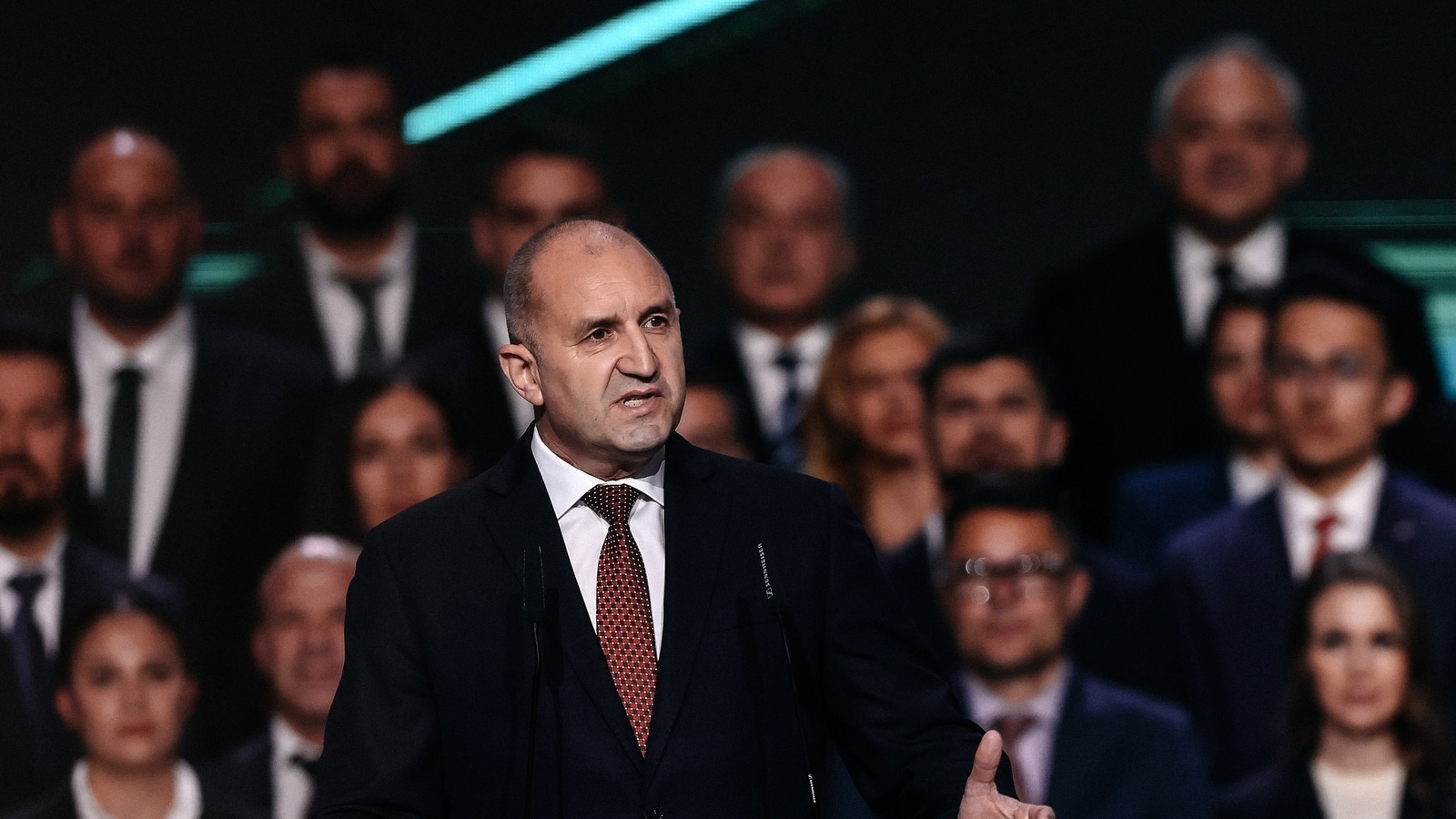
The landslide election for Rumen Radev’s Progressive Bulgaria party this month may have signalled a possible end to years of political instability in the country, but North Macedonia would be mistaken to think he’ll be more amenable when it comes to the stalled process of European Union accession for Bulgaria’s neighbour.
EU member Bulgaria has blocked accession for North Macedonia since 2020, demanding that the country accepts its supposed Bulgarian roots.
In 2022, both sides agreed to a proposal made by France that accession talks resume once Skopje changes the preamble of its constitution to recognise Bulgarians as one of the country’s ‘constitutive peoples’. Changing the constitution, however, requires a two-thirds majority in the North Macedonia parliament, which the then Social Democrat-led government could not secure.
In 2024, the Social Democrats lost power to the centre-right VMRO DPMNE party, which now wants any constitutional change to only enter into force once accession talks are completed. There is little enthusiasm in Brussels, let alone Paris or Sofia, for rewriting the French proposal.