

Sir Keir Starmer has said he disagrees with allegations of “complacency” on funding the armed forces amid renewed scrutiny over the Labour’s defence spending plans. During Prime Minister’s Questions, Starmer hit back at widespread backlash over the absence of the government’s Defence Investment Plan, which was due last autumn. He
 Mauricio Alencar



Wednesday 15 April 2026 1:12 pm
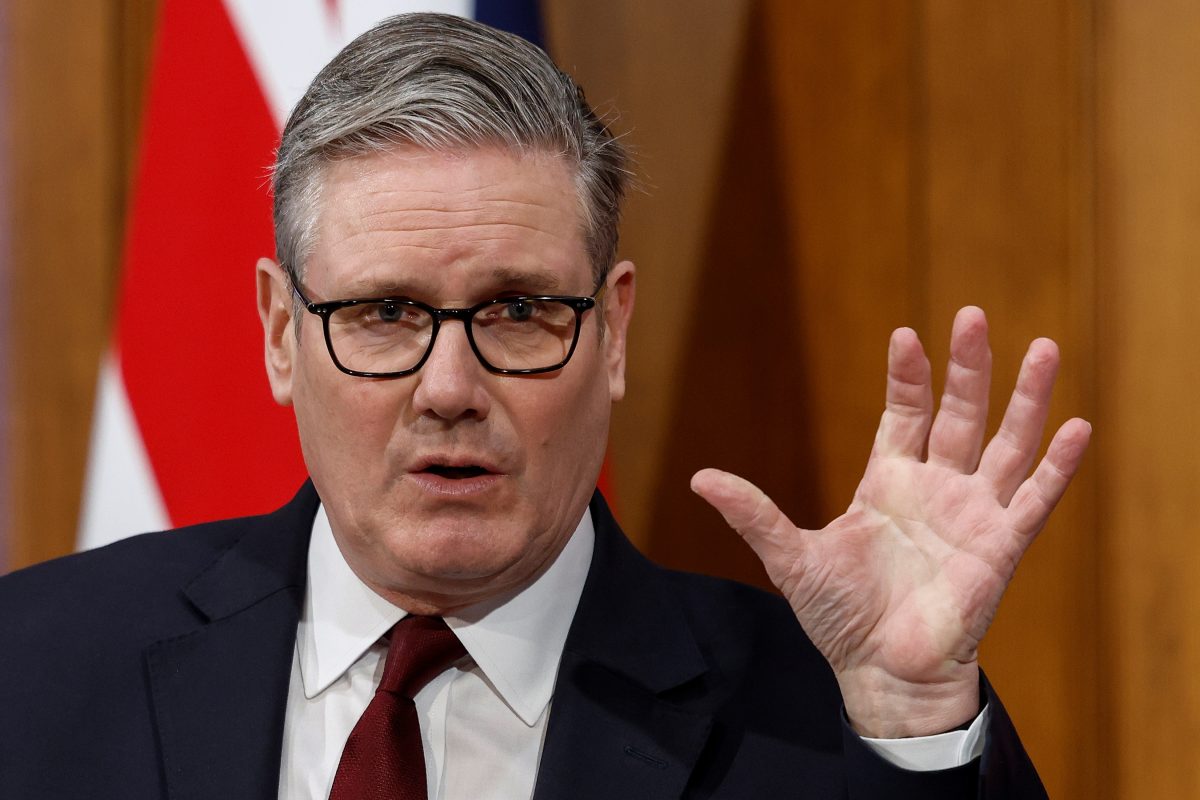
Sir Keir Starmer has said he disagrees with allegations of “complacency” on funding the armed forces amid renewed scrutiny over the Labour’s defence spending plans.
During Prime Minister’s Questions, Starmer hit back at widespread backlash over the absence of the government’s Defence Investment Plan, which was due last autumn.
He told MPs that he didn’t agree with comments made by Lord George Robertson, a former defence secretary who also headed Nato, on attacks against the Treasury’s “vandalism” of the armed forces and delays to announcing funding plans for the military.
In response to a question from Badenoch, Starmer said: “My responsibility is to keep the British people safe. I don’t agree with his comments.
“I took the decision to increase defence spending from 2.3 to 2.6 per cent. I committed to raising core defence spending to 3.5 per cent by 2035.”
#mc_embed_signup { background: #fff; clear: left; font: 14px Helvetica, Arial,sans-serif; width: 100%; max-width: 600px; margin: 20px 0; } #mc-embedded-subscribe-form { margin: 20px 0 !important; } .newsletter-form-flex { display: flex; gap: 0; align-items: center; margin-top: -10px; } .newsletter-form-flex input[type=”email”] { flex: 1; padding: 2px 10px; border: 1px solid rgb(18, 22, 23) !important; border-radius: 12px 0 0 12px !important; } .newsletter-form-flex input[type=”submit”] { padding: 4px 10px !important; margin: 0 !important; background-color: rgb(18, 22, 23) !important; color: rgb(255, 255, 255) !important; border: 1px solid rgb(18, 22, 23) !important; border-radius: 0 12px 12px 0 !important; } .newsletter-banner-content { margin-bottom: 15px; } .newsletter-banner-content h2 { margin: 0 0 10px 0; font-size: 18px; font-weight: 600; } .newsletter-banner-content p { margin: 0 0 10px 0; line-height: 1.5; } .newsletter-banner-content ul, .newsletter-banner-content ol { margin: 0 0 10px 20px; } .newsletter-banner-content a { color: #0073aa; text-decoration: none; } .newsletter-banner-content a:hover { text-decoration: underline; } .newsletter-banner-content img { max-width: 100%; height: auto; margin: 10px 0; } #mc_embed_signup #mce-success-response { color: #0356a5; display: none; margin: 0 0 10px; width: 100%; } #mc_embed_signup div#mce-responses { float: left; top: -1.4em; padding: 0; overflow: hidden; width: 100%; margin: 0; clear: both; }
He added that the DIP would be published “as soon as possible”. The Prime Minister recently said he needed to know “where the money’s coming from” before the 10-year strategy paper could be published.
The first PMQs session in three weeks came as top security and military officials blasted the government over its lack of urgency on boosting defence spending, with a disagreement in costing plans between the Ministry of Defence and Treasury coming into public view.
Chancellor Rachel Reeves reportedly offered the MoD around £10bn more in funding over the next few years although military officials have warned that the shortfall amounts to as much as £28bn.
Reeves told the Prime Minister that a bigger increase may be unaffordable, according to The Times.
Read more Starmer refuses to reveal date of defence investment plan
Separate reports have also suggested that the MoD is being tasked with finding billions of pounds in efficiency savings over the next few years.
The spat between Whitehall economists and troops reached a new climax after Lord Robertson, who co-authored last year’s strategic defence review, blasted the Treasury’s “non-military experts” for failing to focus on funding for the armed forces.
He aimed his attacks at “complacency” from Starmer and Reeves in failing to draw up enough funding for the armed forces as the UK aims for a target to spend 3.5 per cent of GDP on defence by 2035 from its current level of 2.3 per cent.
Lack of defence plan is ‘bizarre’
Fiona Hill, a former White House adviser who co-authored the landmark review last year, separately told The Guardian that the UK’s lack of urgency was “kind of bizarre really given everything that’s happening”.
City AM analysis showed that the UK is drifting away from a Nato target to spend 3.5 per cent of GDP on defence by 2035.
The analysis also showed that the UK was falling far behind the likes of Russia and China in military spending while Nato members were more vulnerable to hostile countries when the US’ military expenditure was not accounted for.
The pressure on the Treasury has come as Reeves said last week that she fears the future of tax receipts could be at risk from the war in Iran, with major economics organisations stating the UK economy will be the worst affected out of all G7 nations.
Panmure Liberum economist Simon French said that calls for greater defence funding raised questions over the credibility of Spending Review rounds where departments work with the Treasury to set limits on budgets.
Read more ‘Vandalism’: Reeves and Starmer slammed over defence spending
Similarly tagged content: Sections Categories People & Organisations