

As City AM revealed earlier this week, a London-based business has raised £2m to fund the development of an AI-powered coffee vending machine. The company’s founders say they can tailor the contents of the hot drinks – like coffee strength and milk content – based on the preferences of the
 Simon Hunt



Thursday 23 April 2026 6:02 am | Updated: Wednesday 22 April 2026 9:07 pm
As City AM revealed earlier this week, a London-based business has raised £2m to fund the development of an AI-powered coffee vending machine.
The company’s founders say they can tailor the contents of the hot drinks – like coffee strength and milk content – based on the preferences of the customer, using AI.
That sounds very interesting. But it got me thinking – do I need, or even want this?
Well certainly no one needs it. But the explosion of coffee shops across London – as well as elaborate home machines – shows there’s clearly a market for concocting evermore sophisticated and pricey variations of bean + water + milk.
But would I actually want an AI component to my coffee? Would I want something that can fine-tune its output based on learning my tastes?
#mc_embed_signup { background: #fff; clear: left; font: 14px Helvetica, Arial,sans-serif; width: 100%; max-width: 600px; margin: 20px 0; } #mc-embedded-subscribe-form { margin: 20px 0 !important; } .newsletter-form-flex { display: flex; gap: 0; align-items: center; margin-top: -10px; } .newsletter-form-flex input[type=”email”] { flex: 1; padding: 2px 10px; border: 1px solid rgb(18, 22, 23) !important; border-radius: 12px 0 0 12px !important; } .newsletter-form-flex input[type=”submit”] { padding: 4px 10px !important; margin: 0 !important; background-color: rgb(18, 22, 23) !important; color: rgb(255, 255, 255) !important; border: 1px solid rgb(18, 22, 23) !important; border-radius: 0 12px 12px 0 !important; } .newsletter-banner-content { margin-bottom: 15px; } .newsletter-banner-content h2 { margin: 0 0 10px 0; font-size: 18px; font-weight: 600; } .newsletter-banner-content p { margin: 0 0 10px 0; line-height: 1.5; } .newsletter-banner-content ul, .newsletter-banner-content ol { margin: 0 0 10px 20px; } .newsletter-banner-content a { color: #0073aa; text-decoration: none; } .newsletter-banner-content a:hover { text-decoration: underline; } .newsletter-banner-content img { max-width: 100%; height: auto; margin: 10px 0; } #mc_embed_signup #mce-success-response { color: #0356a5; display: none; margin: 0 0 10px; width: 100%; } #mc_embed_signup div#mce-responses { float: left; top: -1.4em; padding: 0; overflow: hidden; width: 100%; margin: 0; clear: both; }
The thing is, I don’t think my coffee tastes are anywhere near refined enough to warrant this kind of tailoring.
A simple Pret cappuccino suffices for me most mornings. My preferences have stayed remarkably consistent since I entered the world of work over a decade ago – there is strikingly little to “learn” about them. And it can’t just be me.
Read more AI could be picking your coffee as startup takes £2m
So, without wishing to pour a cup of cold java over this startup’s ambitions, it does feel like we have reached that point in the cycle of a new technology where it gets added to everything, just for the sake of it.
Other recent examples – shoemaker Allbirds’ “pivot” to becoming an AI company and the release of a new “AI-powered weed vape” – conjure memories of the peak before the dotcom crash.
Is the market getting too frothy? It’s a fool’s errand to call the top, but there does seem to be less and less upside to investing into an AI-centric business. Instead, several investors have told me they’re more interested in the companies that are upstream of AI firms – the chipmakers, the data centre operators – who are agnostic about the relative success or merits of specific AI applications.
Low costs to entry – for now
The other side to this equation is that it’s now very easy to scale fast with little money. As one investor put it to me this week, the same kinds of startups that would ask for £1m funding five years ago only want £100,000 now. That is a function of the immense power of frontier AI models and the shockingly low cost of using them.
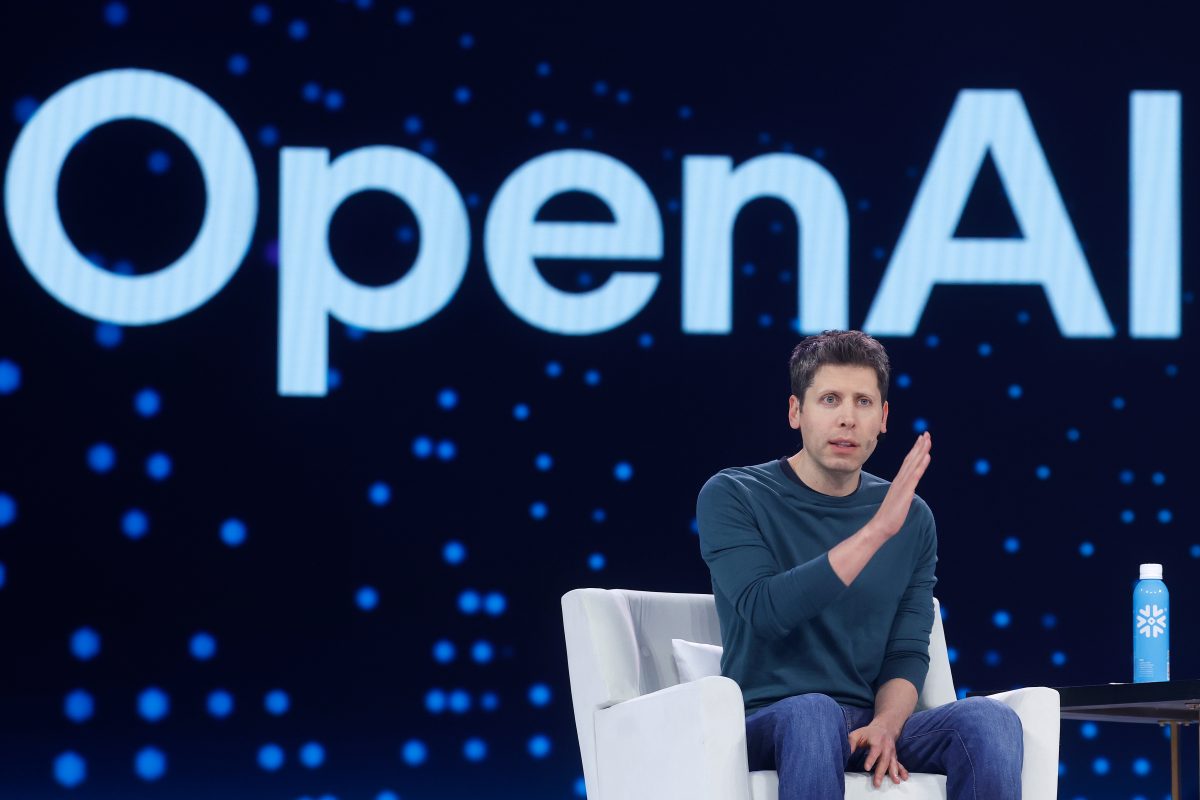
But these bargain basement prices are available because the well-funded AI giants like Anthropic and OpenAI aren’t offering those services at cost – they’re being subsidised to the tune of hundreds of billions.
When that money runs out, those firms will be forced to ramp up compute costs. And then startups have to confront massive bills – some with more success than others.
So I don’t know about you, but I won’t be throwing away my dumb old coffee machine quite yet.
Read more More than a café. More than a bank.
Similarly tagged content: Sections Categories People & Organisations