
The government’s inheritance tax crackdown has sparked a wave of warnings from entrepreneurs. We list some of the biggest names to have spoken out in opposition to the changes. To most avid followers of current affairs, the Autumn Budget of 2024 will feel like a lifetime ago. Since then, Donald
 Ali Lyon




Thursday 16 April 2026 2:00 pm
The government’s inheritance tax crackdown has sparked a wave of warnings from entrepreneurs. We list some of the biggest names to have spoken out in opposition to the changes.
To most avid followers of current affairs, the Autumn Budget of 2024 will feel like a lifetime ago.
Since then, Donald Trump has been elected to the White House, upended the global trading system with his tariffs and set off the most expansive regional conflict the Middle East has seen in recent history.
Closer to home, the Labour party has fallen from first to third place in most national polls. Interest rates have fallen from five per cent to below four. And, most seismic of all, David and Victoria Beckham have fallen out with their eldest son, Brooklyn.
But notwithstanding the last 17 months’ barrage of economic and political news, the effects of that fateful fiscal event – the Labour party’s first in more than 14 years – are still being felt.
#mc_embed_signup { background: #fff; clear: left; font: 14px Helvetica, Arial,sans-serif; width: 100%; max-width: 600px; margin: 20px 0; } #mc-embedded-subscribe-form { margin: 20px 0 !important; } .newsletter-form-flex { display: flex; gap: 0; align-items: center; margin-top: -10px; } .newsletter-form-flex input[type=”email”] { flex: 1; padding: 2px 10px; border: 1px solid rgb(18, 22, 23) !important; border-radius: 12px 0 0 12px !important; } .newsletter-form-flex input[type=”submit”] { padding: 4px 10px !important; margin: 0 !important; background-color: rgb(18, 22, 23) !important; color: rgb(255, 255, 255) !important; border: 1px solid rgb(18, 22, 23) !important; border-radius: 0 12px 12px 0 !important; } .newsletter-banner-content { margin-bottom: 15px; } .newsletter-banner-content h2 { margin: 0 0 10px 0; font-size: 18px; font-weight: 600; } .newsletter-banner-content p { margin: 0 0 10px 0; line-height: 1.5; } .newsletter-banner-content ul, .newsletter-banner-content ol { margin: 0 0 10px 20px; } .newsletter-banner-content a { color: #0073aa; text-decoration: none; } .newsletter-banner-content a:hover { text-decoration: underline; } .newsletter-banner-content img { max-width: 100%; height: auto; margin: 10px 0; } #mc_embed_signup #mce-success-response { color: #0356a5; display: none; margin: 0 0 10px; width: 100%; } #mc_embed_signup div#mce-responses { float: left; top: -1.4em; padding: 0; overflow: hidden; width: 100%; margin: 0; clear: both; }
Its most totemic measure – the shock £25bn employers’ National Insurance raid – is partly attributed for the current youth joblessness crisis and disintegrating labour market.
Capital gains tax receipts have, in fact, fallen in response to another crackdown intended to raise revenue for the Exchequer.
And to its credit, the historic uplift to NHS budgets appears to have brought waiting list times down gradually (or at least it did before being jeopardised by the latest round of junior doctor strikes).
What is the inheritance tax change?
But nearly a year and a half on, the fiscal measure attracting the most ire today is one that – among the spate of other eye-catching changes – largely went under the radar when it was first announced.
The government’s decision to axe an inheritance tax carve-out that had been granted to family businesses for decades failed to attract attention – in part because it was accompanied by a parallel clampdown on farms. And as is their wont, agricultural workers consumed much of the available oxygen as they drove dozens of tractors down Whitehall as part of a series of nationwide protests.
Since the change came into force earlier this month, though, there has been crescendo of warnings that family businesses will either have to be broken up or sold off on a business owner’s death in order to foot the inheritance tax bill have ensued.
Business Property Relief – as the carve-out was called – allowed individuals to pass down ownership of their family business completely free from inheritance tax.
Brought into law under a Labour government in the 1970s, it was introduced to allow business owners to run and manage their firm knowing their death wouldn’t land their offspring with a large tax bill.
But at its maiden Budget, the current government ended that allowance, announcing that from April 2026 any shareholding in a family business over and above £1m would be taxed at a reduced rate of 20 per cent (inheritance tax is usually taxed at 40 per cent on the value of an estate above £325,000).
Thanks largely to farmers’ assiduous campaigning, the Treasury has since watered down the measures, raising the threshold to £2.5m. But that hasn’t stopped some of Britain’s most renowned entrepreneurs and business owners warning that the measure will force their children to sell off or break up their business, and has encouraged them to stop inevesting in their firm in order to keep the eventual tax bill down.
Here is a list of what entrepreneurs have said about the tax, and how it stands to affect their firms:
James Dyson – founder, Dyson
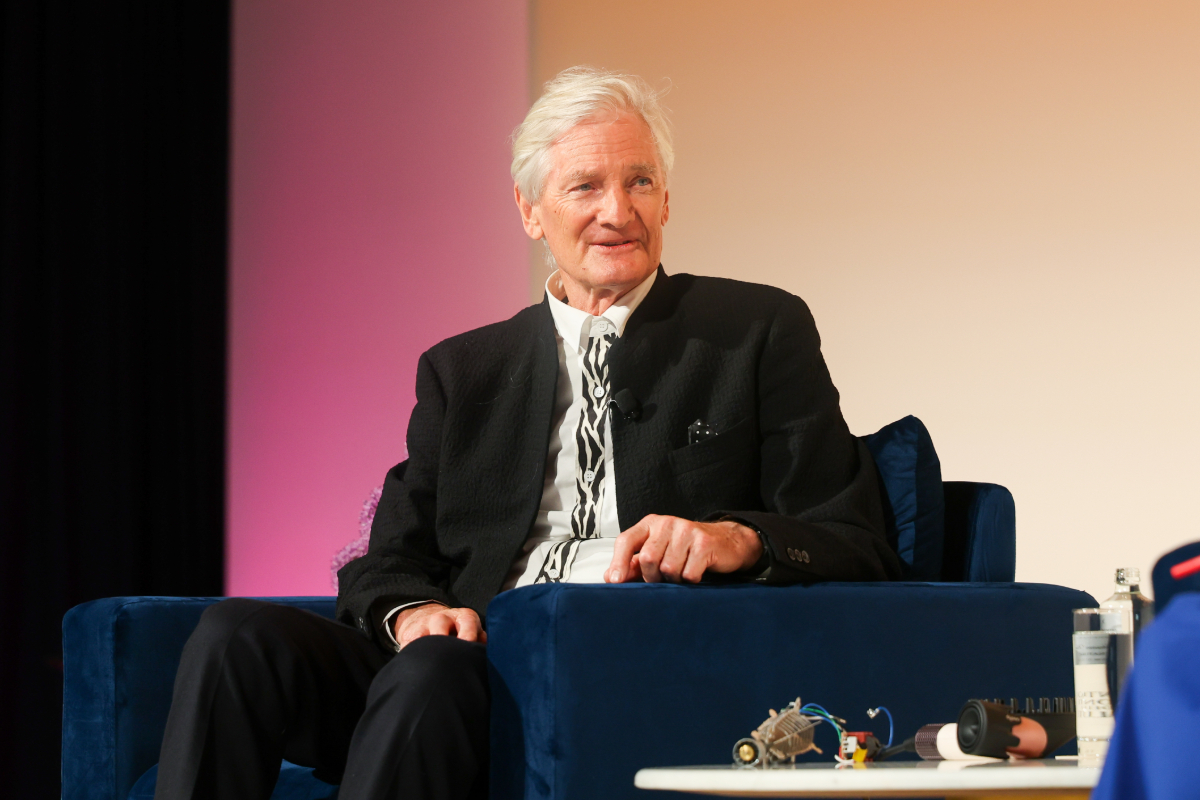 Dyson said he would have to sell his firm unless inheritance tax laws changed
Speaking to Radio 4’s Today programme in December, Sir James Dyson warned that his consumer electronics giant will be unable to foot what promises to be a multi-billion-pound inheritance tax bill on his death, meaning his family will “have to sell the business”.
Read more Scrap inheritance tax!
“Companies are valued on a multiple of their earnings,” he said. “So if you’re paying 40 per cent of a multiple of your earnings, that’s billions in my case. We haven’t got billions of cash… so you have to sell the business to pay it.
“A company has no value. There’s no assets that you can sell. Its value is a multiple of its profits. So it’s paper money. You simply don’t have [it].”
Sir Rocco Forte – founder, Rocco Forte Hotels
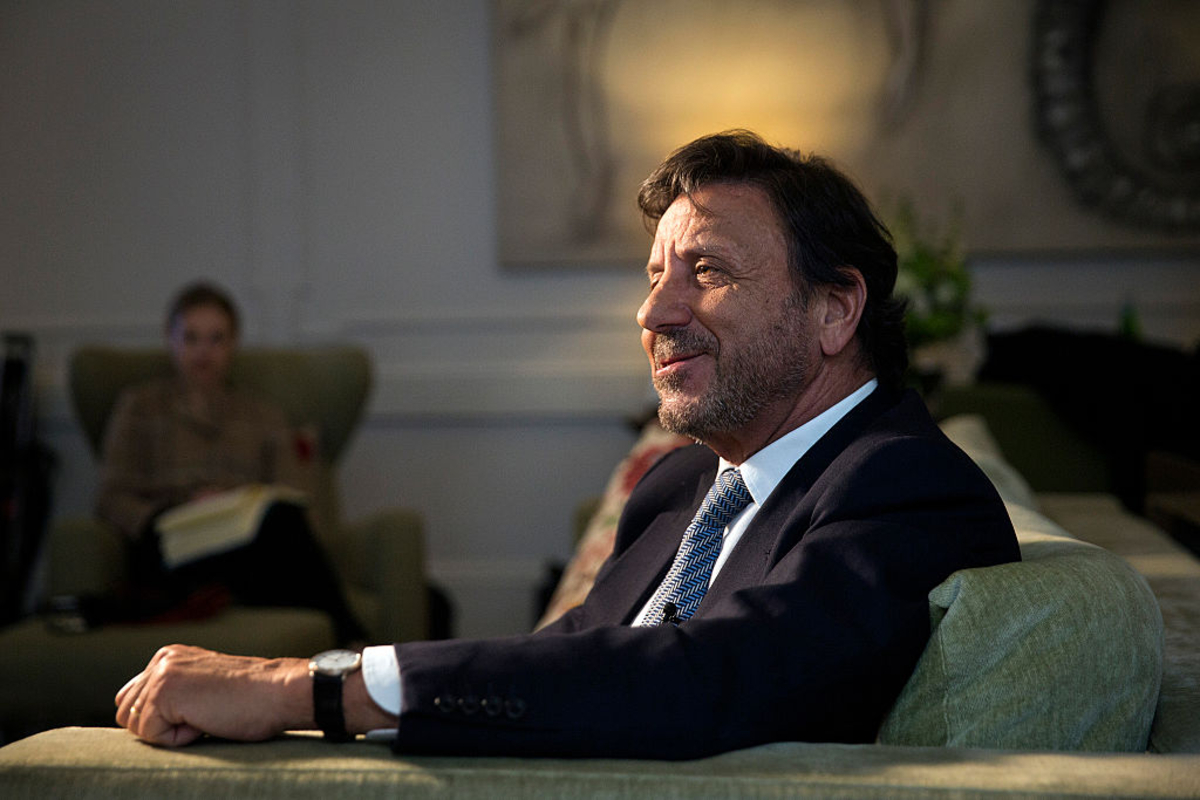 Hotel magnate Sir Rocco Forte
 Rocco Forte, whose empire of luxury hotels spans across Italy, the UK and Belgium, echoed the remarks made by Dyson, telling City AM that his offspring would have to sell off hotels, or similar, to foot their looming bill.
He said: “If I drop dead tomorrow – and if you suddenly have inheritance tax charged even on 20 per cent of the whole value of the family businesses – there’s no way my family can pay that tax without selling the business or breaking it up.
“But it’s not about my business, it’s about the overall effect on all the businesses which are very important.”
Steve Perez – founder, Global Brands
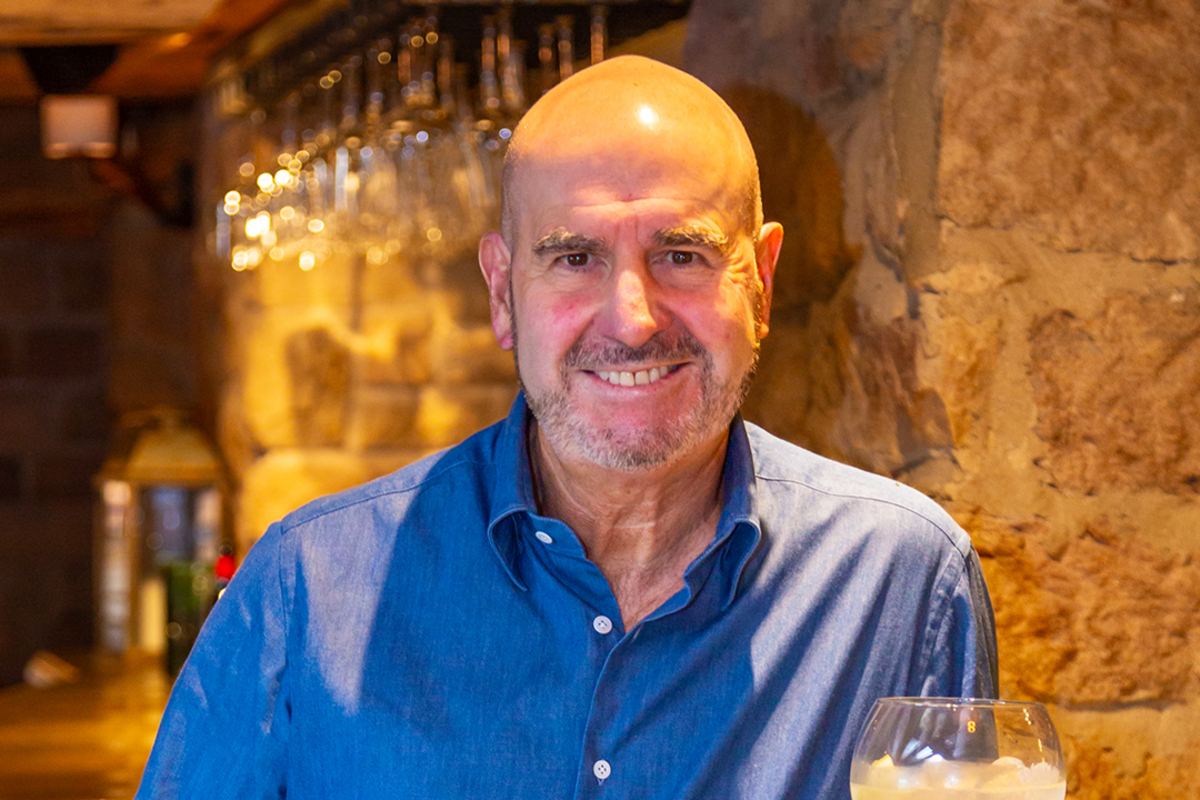 Steve Perez, founder of VK-maker Global Brands
Among a host of other drinks, Steve Perez’s Global Brands is best known for making the alopop marques VK and Hooch, upmarket tonic Franklin and Sons and the Gather range of pre-mixed cocktails.
But the drinks tycoon told City AM he is making arrangements to lower his offspring’s exposure to inheritance tax after he dies by pausing investment in a hotel business and a plant. He has even launched a legal challenge over the changes, which he will argue did not go through the requisite consultation process.
He said: “I’ve had to cut back investing in a new factory. I’ve had to pull investment in hotel and spa that already had planning permission, because all it will mean is my family will have a bigger tax bill.”
Lizzy Rudd – chair, Berry Bros and Rudd
Berry Bros and Rudd is Britain’s oldest wine merchant. From its iconic store front in St James’s, it has been passed down from generation to generation for over three centuries.
But its current chair, Lizzy Rudd, has warned the government’s decision to end Business Property Relief will end a centuries-old tradition of family members trying to grow the vintner in a sustainable, consistent manner.
She said: “As a 327-year-old family business, we always strived to be stewards for future generations,” she said. “As a B Corp, we also place great value on employing people, considering the wider community and the environment in all that we do. How are we expected to continue to build value for the long term when our children will one day have to pay inheritance tax on this value – a value which is on paper and not in our pockets unless business assets or the business itself is sold?”
She added: “Changes to inheritance tax are a very real threat to the future success of the business. In addition to the higher costs of operating right now, these changes are an additional burden for family businesses at the very time the Government should be encouraging us to invest. This tax will drive behaviour that I don’t believe the Government really want, neither does it really understand the principles on which we operate.”
Jo Bamford – board member and heir to JCB fortune
 Bamford said the inheritance tax plans were a ‘real problem’
Jo Bamford is a veritable entrepreneur in his own right. He has founded hydrogen fuel firm Ryze Power and is chair of the green bus manufacturer, Wrightbus.
But he is best known for being heir to the multibillion-pound JCB fortune. His grandfather founded the digger maker, famed for its distinctive yellow livery, and his father, Lord Anthony Bamford, has been at its helm for several decades.
But speaking to City AM, the Bamford son said he and his sister were in fact born in the US because of fears the government might seek to nationalise their business. And he warned the inheritance tax grab on family businesses might look to force them to venture overseas again.
“The family tax… is a real problem,” he told City AM in an interview, adding: “It could quite easily become an American business. I love being in Britain. I love being here. I love our factories here. But I would say to a political party of any stripe, look, there’s only so much you can ultimately do.”
Other family business owners that have spoken out against the inheritance tax changes William Lees-Jones, managing director of JW Lees Brewery Nick Showering, founder, Showerings Cider Steve Rigby, co-chief executive, Rigby Group Read more Labour told to scrap ‘arbitrary’ inheritance tax system
Similarly tagged content: Sections Categories People & Organisations Related Topics