
An EU summit in Cyprus, possible trade sanctions with Israel, shaky ceasefires in Lebanon and Iran, and the aftermath of the election in Bulgaria are among the lead stories driving this week.
 Nikolaj Nielsen



THIS WEEK offers a weekly snapshot of the key developments in Brussels and across Europe over the next seven days, published every Monday morning.
An EU summit in Cyprus, possible trade sanctions with Israel, shaky ceasefires in Lebanon and Iran, and an election in Bulgaria are among the lead stories driving this week.
Leaders from Egypt, Jordan, Lebanon and Syria have been invited to Cyprus this week for a summit with EU member states to address the fragile ceasefires in Lebanon and Iran.
The two-day meeting, which kicks off on Thursday (23 April), will also include the secretary general of the Gulf Cooperation Council. Ukraine’s president Volodymyr Zelensky is also set to join by video.
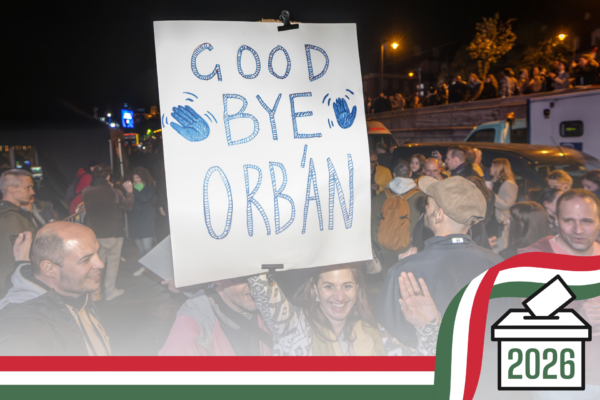
Perhaps just as interesting are those not attending, including Hungary’s ousted prime minister Viktor Orbán who is licking his wounds after a crushing election defeat.
Beyond providing political guidance, the meeting is not expected to produce formal conclusions.
Instead, recent developments and regional cooperation are among the broad outlines that are expected to be broached as the Strait of Hormuz, a vital shipping lane, remains effectively closed as of writing.
“Security in this region is inextricably linked to the security of the Union itself,” Marilena Raouna, Cyprus’ deputy minister for European Affairs told reporters ahead of the summit.
Specifically, leaders meeting over dinner on Thursday are set to discuss efforts to de-escalate the crisis, protect freedom of navigation, and evaluate the economic impact on Europe of the US-led war on Iran, amid concerns that Donald Trump’s unpredictability could complicate forward planning.
Although Trump claims a deal with Tehran is on the brink, details remain lacking as the regime appears to be consolidating power and its grip on the population.
The summit will be preceded by a meeting of EU foreign ministers in Luxembourg on Tuesday (21 April), focusing on Ukraine the Middle East and Israel trade sanctions. Lebanon’s prime minister, Nawaf Salam, is also expected to attend.
On Friday (24 April), the summit will shift focus to other issues, including the EU’s seven-year long-term budget, as the European Parliament formalised its negotiating position, calling for a 10-percent overall increase.
Meanwhile, Bulgaria went to the ballot box on Sunday (19 April), with ex-president Rumen Radev leading opinion polling in the run-up to the contest. Radev ran on a platform to fight corruption and weed out the oligarchy, citing Delyan Peevski and Boyko Borisov as among the culprits.
But his pro-Russia leanings are also likely to cause some concern in Brussels, which has just breathed a sighed relief following the end of Orbán’s 16-year dominance.
Closer to home in Brussels, committees in the European Parliament will discuss enlargement and defence (both on Monday), as well as prepare for the following weeks plenary.
Amnesty International on Tuesday is also set to publish its “The State of the World’s Human Rights report 2025/26”.
Last year’s report described the rollback of human rights across the globe as ‘beyond alarming’.