
RMT has called action in two 24-hour tranches this week over opposition to four-day working patternA strike by London Underground drivers will severely disrupt transport in the capital over the next four days.The RMT union and Transport for London (TfL) said that the strike would go ahead from midday on
 Gwyn Topham Transport correspondent



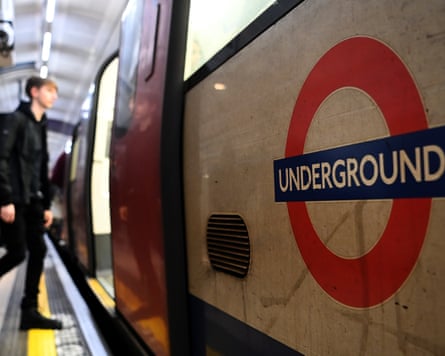
A strike by London Underground drivers will severely disrupt transport in the capital over the next four days.
The RMT union and Transport for London (TfL) said that the strike would go ahead from midday on Tuesday 21 April, with no last-minute talks planned on Monday.
How disruptive will the strike be?
Just under half of London’s tube drivers are in the RMT union and expected to join the strike, with a slight majority – members of Aslef – still working as normal.
The RMT has called the action in two 24-hour tranches from midday on Tuesday and Thursday for maximum impact over four days.
On Tuesday and Thursday afternoons, services will be significantly reduced and may not run later than 8pm on most lines.
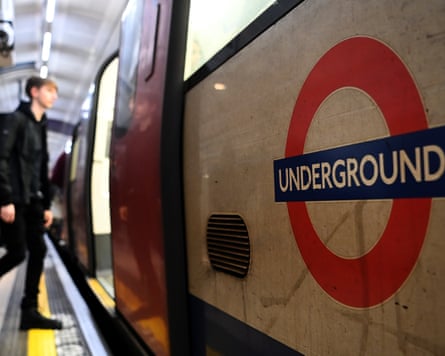
On Wednesday and Friday morning the first trains are not expected to begin running until 7.30am, and services are likely to be worse than usual in the afternoon.
Some lines, where the RMT is heavily represented, will probably not run at all during the strike periods: the Piccadilly, Waterloo & City and Circle lines are expected to have no service. Parts of the Metropolitan line, between Baker Street and Aldgate, and the Central line, between White City and Liverpool Street, will also have no trains.
Are there other ways to get around?
Yes. The London Overground, national rail services, the Elizabeth line, the DLR and trams will be running as usual but are likely to be extremely busy.
London buses should be running as normal but are likely to be very crowded, and are liable to be disrupted and delayed by the added numbers of passengers boarding and by congested roads if people turn to private cars.
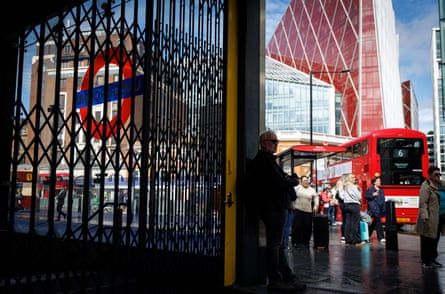
TfL advises that people may find it easier to walk or cycle on some journeys. During the last tube strike, which took place in September 2025, the number of cycle and e-bike hires rose significantly. At least the weather promises to be fine.
So why are drivers striking again?
Not all drivers. And nobody else. This dispute is something of a head-scratcher and may strain the patience of the relatively sympathetic public in London more than usual. The RMT went on strike last year to press for a 32-hour working week, which TfL said was unaffordable. Now drivers are being offered a four-day week, which the Aslef drivers’ union supports but the RMT opposes.
TfL says its proposals would bring London Underground in line with the working patterns of other train operating companies, improving reliability and flexibility at no additional cost. It said the changes would be voluntary, there would be no reduction in contractual hours and those who wish to continue a five-day working week pattern would be able to do so.
The RMT general secretary, Eddie Dempsey, said TfL was making no concessions, adding: “The approach of TfL is not one which leads to industrial peace and will infuriate our members who want to see a negotiated settlement to this avoidable dispute.”
Aslef says it is surprised that the RMT is taking action. It views the voluntary four-day week as a winner: giving tube drivers who wish to do it an extra 35 days off every year, in return for minor changes to working conditions and using electronic, rather than paper-based, systems.
Will it definitely go ahead, and are there more strikes planned?
The first set of planned strikes in this particular dispute, in March, was called off by the RMT to allow talks to go ahead. But that pause was announced six days before action was due, and there are no signs of further negotiation now, with the RMT at the weekend accusing TfL of “reneging on promises” and making strikes inevitable.
If there is no resolution, further strikes over the same four-day pattern are scheduled by the RMT in May and June.