
Hungary’s Viktor Orban sat at the centre of a network of illiberal states. With his loss in weekend elections, liberal opposition parties in Turkey are reflecting on political parallels and hope.
 Sezin Oney



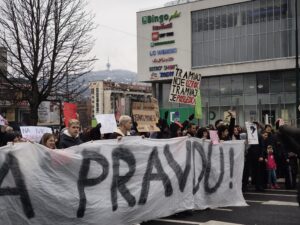
In Hungary, supporters of the rising Tisza Party began chanting: “Arad a Tisza.” – “The Tisza is rising.” It was more than a slogan. It captured a political mood, a sense that something stagnant had finally begun to move again. That feeling of politics regaining forward movement quickly traveled beyond Hungary’s borders.
In Turkey, particularly among younger observers, the elections were followed with striking intensity. Social media pulsed with anticipation; one young programmer even wrote code in real time to track incoming results, a small but telling sign of how closely the moment was being watched.
This attention soon translated into explicit political signaling. Leading figures from Turkey’s opposition, including Ozgur Ozel, the leader of the Republican People’s Party, CHP), and Ekrem Imamoglu, Istanbul’s jailed mayor and CHP presidential candidate, publicly congratulated Peter Magyar and his Tisza movement, framing the Hungarian result as a source of encouragement and democratic momentum.
These gestures were not merely diplomatic niceties; they reflected a deeper identification with the idea that entrenched political systems can, under the right conditions, be challenged through electoral means.
At the same time, the Turkish government’s reaction was notably cautious and pragmatic. Turkish President Recep Tayyip Erdogan moved quickly to congratulate Magyar and emphasised the continuity of bilateral relations, signaling that Ankara viewed the outcome primarily through the lens of state-to-state diplomacy rather than ideological disruption.