
Decision to reduce duty-free quotas by 47% aimed at curbing Chinese importsBusiness live – latest updatesThe EU is to go ahead with plans to double tariffs and halve quotas on imports of steel from July, in a move designed to curb Chinese imports but which could damage UK exports to
 Lisa O’Carroll



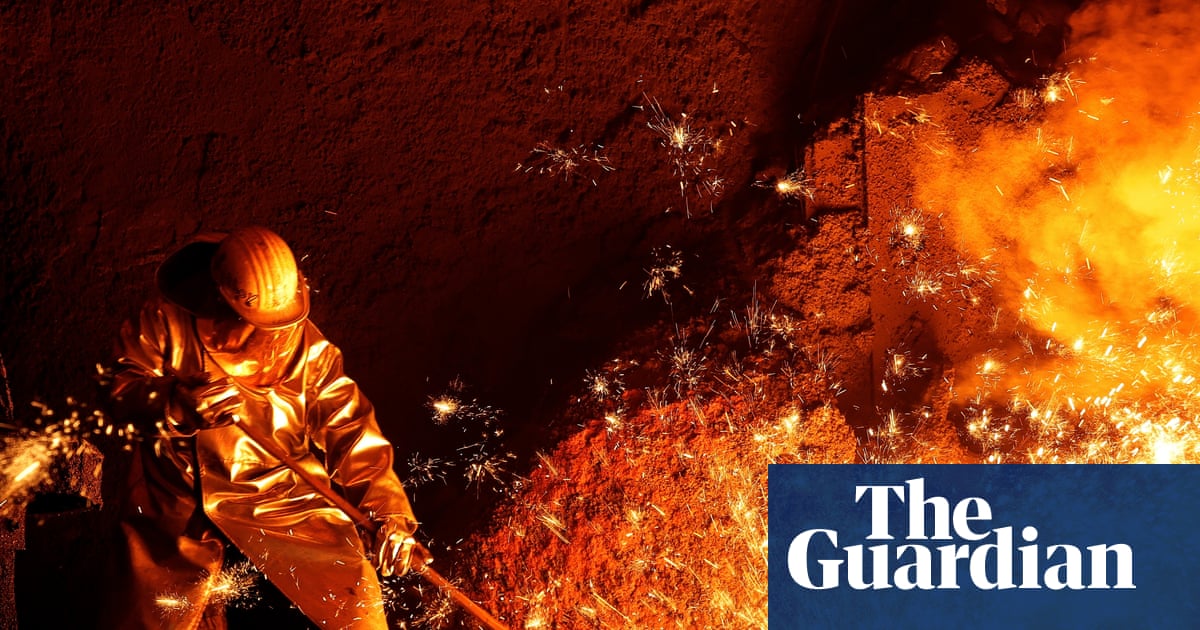
The EU is to go ahead with plans to double tariffs and halve quotas on imports of steel from July, in a move designed to curb Chinese imports but which could damage UK exports to the bloc.
The decision by EU lawmakers and member states after late night talks on Monday, will reduce duty-free quotas by 47%. Exact country allocations have yet to be determined.
The EU industry commissioner, Stéphane Séjourné, hailed the agreement as the “strongest ever” safeguard agreed and a “victory for our steel mills, our steelworkers and our industrial sovereignty”.
A flood of cheap imports from China was thought to be the driving force behind the measures. However, they will also affect European countries outside the EU.
Norway, Iceland and Liechtenstein will not be subject to tariffs as member of the European Economic Area, but the UK will, highlighting the economic disadvantages of Brexit.
The European steel industry said the radical new measures would help pull the industry “back from the brink” of collapse.
Axel Eggert, the director general of the European Steel Association, Eurofer, said the measures would help by “curbing unsustainable import pressure … and creating a gap for EU manufacturers to produce 15m extra tonnes of steel to meet local demand”.
The latest data showed imports grew to record levels at the end of 2025, to 9.9m tonnes in the final quarter from 7.4m tonnes year on year.
The new measures, which will come into force in July, will cap imports of steel in the EU to 18.7m tonnes a year, with country quotas to be negotiated across 28 discrete product types.
But with the EU now the UK’s largest market, with 1.8m tonnes of exports a year or 10% of the new quota, the pressure is mounting on Keir Starmer to ensure duty-free quotas to match UK sales into the bloc.
UK Steel, the British industry body, said it was “crucial that the UK and EU reach a sensible agreement regarding access to each other’s quota systems”.
The UK has a strong card in negotiations, having also announced it plans to impose 50% tariffs on imports from third countries from 1 July with quotas cut by 60%, higher than the EU’s 47% reduction.
As the UK and the EU were “each other’s largest export markets” there was “a clear, mutually beneficial deal to be had” to stop the “real bad actors”, UK Steel added.
Eurofer’s Karl Tachelet called on the EU to ensure the UK got preferential treatment over other third countries.
The UK and EU steel industries have long been integrated, with the UK also the EU’s number one market. “We really have a common interest to treat each other well, not to penalise each other,” he said.
The UK steelworkers’ union Community previously said the EU quotas posed an “existential threat” to the British industry.
On Tuesday, its assistant general secretary, Alasdair McDiarmid, said the government had to be extra vigilant and guard against the risk of the “EU pushing a tide of diverted steel” to the UK.
McDiarmid said the union recognised the “consistent support” given by the Labour government – which included the costly takeover of British Steel – and added that it planned to “work closely” with the government on “further steps to strengthen” the industry.