

While in power, Viktor Orban’s Fidesz party used Hungary’s state resources to build a formidable influence network abroad. Whether that network can survive a change of government is now hotly debated.
 Alexander Faludy



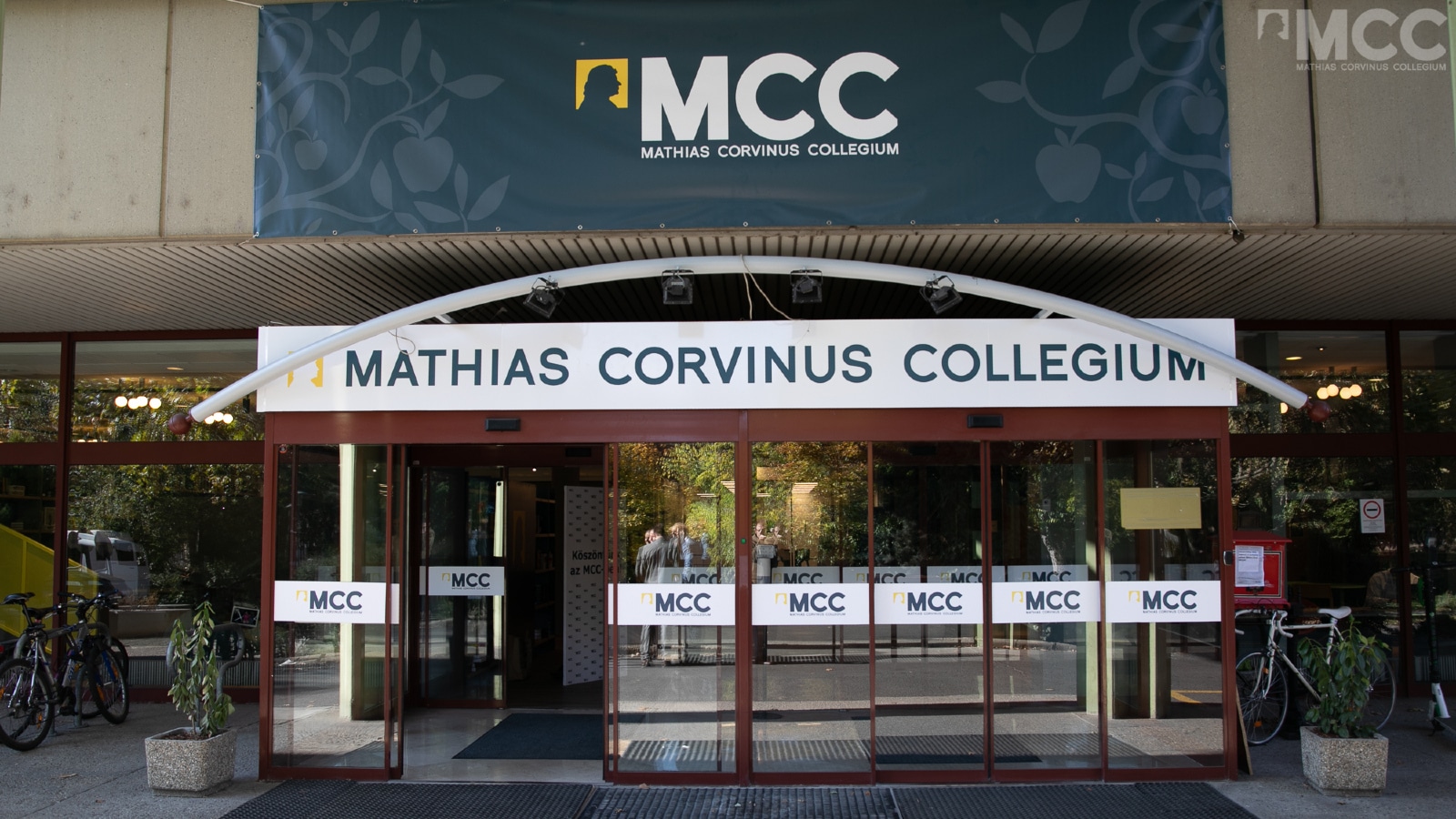
Following the humiliating electoral defeat by the centre-right Tisza party on April 12, Fidesz might now be expected to focus on rebuilding domestic credibility, not perpetuating international influence. Yet Zsuzsanna Vegh, European Resilience program officer at the German Marshall Fund in Berlin, warns that this is a false dichotomy. “The two things will happen in parallel,” she believes.
If Fidesz wants to maintain the network, questions remain about whether doing so is practicable. Hungary’s incoming prime minister, Peter Magyar, is clear on his intention to address the question of the diversion of state assets for party political purposes.
Tisza’s manifesto vowed to “reclaim the state assets allocated to the MCC”. The Batthany Lajos Foundation is not specifically mentioned, but is included by implication given a commitment to “end the practice of using public funds for political networking”. At his first post-election press conference on April 14, Magyar reiterated that, “the state is not going to finance CPAC events, nor Matthias Corvinus Collegium institutions.”
Legal experts differ about the best way forward for the new government. Perhaps the simplest solution is offered by Miklos Ligeti, legal director of Transparency International Hungary. In his view, the optimal approach would be to repeal the chain of 2021 acts creating the special PIAMF category. By doing so, the assets held by the likes of MCC would revert to direct state ownership, “as a matter of legal succession, as provided for by force of law.”
“No rule of law problem arises if we accept that these entities are actually not private law foundations in the true sense,” Ligeti tells BIRN.
Given that both “public interest” and “public functions” appear in the name given to this class of foundation, claiming that they are private entities is, he argues, highly dubious. States, he notes, are generally regarded as free to reallocate resources between different public institutions according to their reasonable discretion.
As a non-profit limited company, the Center for Fundamental Rights would be outside the scope of such reforms. However, despite reportedly prudent management of reserves, it could struggle to survive without Batthany Lajos Foundation’s funding over the longer term.
Magyar has already gone on the offensive by convincing the board of MOL to delay paying its 2025 dividends from the second quarter to the third quarter of 2026. Richter Gideon, meanwhile, has pledged to withhold any dividend payments until a wider settlement of the question of academic autonomy in Hungary has been reached. According to analysis by the Hungarian investigative outlet 444.hu, this will deprive MCC of 60-70 per cent of its revenue, triggering a liquidity crisis.
Sarkadi Nagy, however, argues that MCC is well placed to survive this. “I think they could secure some sort of a liquidity instrument, even under market conditions, to bridge the gap until MOL’s dividend is paid,” he tells BIRN. MCC might also “finance its cash flow by selling or mortgaging some real estate assets”, though selling would likely mean downsizing its educational operations.
On April 30, MCC’s management made a public offer of co-operation with the new government, seemingly in order to save at least the youth development side of the institution. Experts, however, doubt this will prove efficacious. For one thing, Tisza will be wary, Vegh thinks, “given present levels of polarisation in Hungary and Balazs Orban’s continuing place at the head of MCC’s board”. Further, MCC’s centrality in Fidesz’s transnational far-right networking would make the incoming administration “unlikely in any way to embrace this organisation”, she says.
Looking at Fidesz’s think-tank network as a whole, Vegh sees two options for possible future funding, at least of certain elements if it is deprived of Hungarian state backing. One would be to look to US sources, either through the Heritage Foundation or even the State Department.
The latter could take an interest given the US national security strategy’s stated commitment to support like-minded political actors in the EU. Fidesz, after all, Vegh notes, “remains the major force in Patriots for Europe”, which is the third largest party grouping in the European Parliament.
Alternatively, the party could look to its economic hinterland for contributions. If Fidesz does go down that route, the level of response will, according to Vegh, “tell us a lot about the overall strength of Fidesz,” and whether its traditional supporters “regard a future return to power as likely”.