
As Péter Magyar prepares to take the helm of Hungary on 9 May, the era of “super-ministries” and party loyalists is being dismantled in favour of an Atlanticist, expert-led cabinet. From a former Shell global vice-president managing the economy to a Nato-backed diplomat steering foreign policy, the incoming Tisza government
 Ágoston Renczes




Originally published at Napunk
The soon-to-be-formed Tisza government in Budapest will differ from Viktor Orbán’s governments not only in personnel but also in structure.
Over the four terms since 2010, Viktor Orbán has repeatedly reshaped his governments, abolishing traditional ministries and folding them into “super-ministries”, such as the education, health or finance ministries.
At present, education and health care fall under the Ministry of Interior, while the tasks of the finance ministry are carried out by the Ministry for National Economy.
In the incoming Tisza government, all three areas are expected to regain their own standalone ministries, and social affairs will also be handled by a separate portfolio.
Péter Magyar began consciously preparing for governing not long after his entry into politics and the establishment (more precisely the takeover) of the Tisza party.
From the summer of 2024, it was reported that working groups had been set up within the party, and as the elections drew closer, Magyar signed up an increasing number of well-known and respected public figures and experts to Tisza. They became the public faces of specific policy areas, and many of them are likely to play a role in the new government as well.
According to HVG, compared with Orbán’s cabinet, which is partly filled with party loyalists, Magyar’s government, based on the names known so far and on the promises made, will more closely resemble a more technocratic administration.
Those already announced
Foreign minister: Anita Orbán (b.1974)
As a diplomat, she previously belonged to Fidesz’s Atlanticist wing, which has by now practically disappeared. She studied at the Budapest University of Economic Sciences (later Corvinus), Tufts University in Massachusetts and the Fletcher School in Boston, earning a PhD at the latter. Her much-cited book Power, Energy and the New Russian Imperialism was published in 2008.
Between 2010 and 2015 she served as Hungary’s roaming ambassador for energy security. In 2020 the Orbán government supported her nomination for the post of Nato deputy secretary general.
After 2015 she worked for one of the world’s largest LNG companies, first at Cheniere, then at Tellurian. In 2021 she changed sector, becoming deputy CEO of Vodafone Hungary, then later Vodafone’s global director in London.
She was a member of the European Council on Foreign Relations and of the board of Globsec, but suspended these memberships when she entered politics. She has also worked as a journalist, writing foreign-policy analyses for Heti Válasz.
For the past five years she has consistently appeared on Forbes magazine’s list of the most influential Hungarian women.
From the outset, Magyar has made it clear that he sees Hungary’s place within Western alliance structures. Under Anita Orbán’s leadership, a shift is expected in Hungarian foreign policy back towards a pro-Western, Atlanticist orientation, but Magyar also intends to maintain pragmatic relations with those Eastern countries – Russia, China and the Organisation of Turkic States (Azerbaijan, Kazakhstan, Kyrgyzstan, Turkey and Uzbekistan) – with which Viktor Orbán tightened ties under his “Eastern Opening” policy.
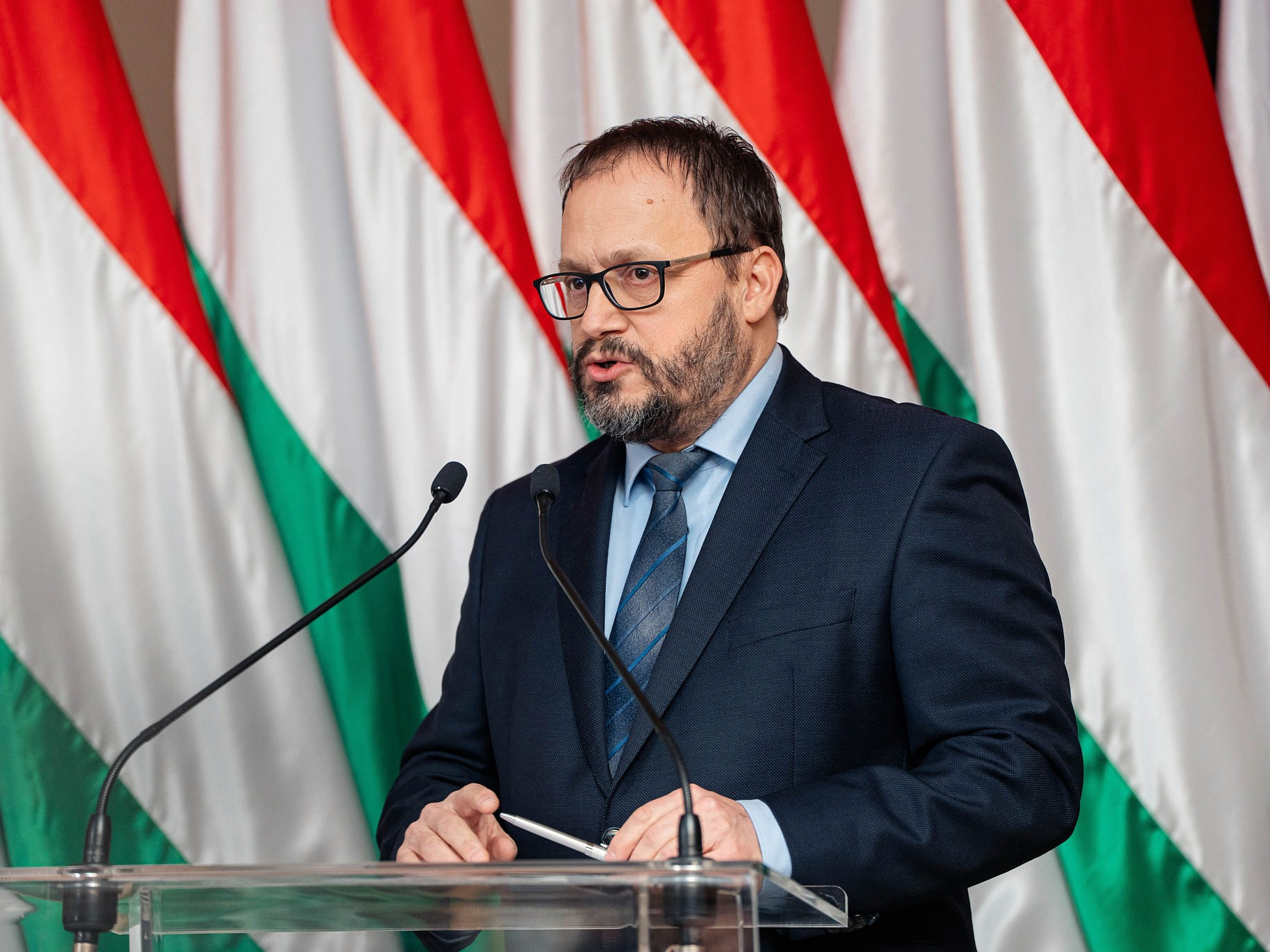
Finance minister: András Kármán (b.1973)
 Source: András Kármán / Facebook
The future head of the re-established Ministry of Finance graduated in finance from the Budapest University of Economic Sciences and also studied at the University of Groningen in the Netherlands.
He began his career in 1997 at the Hungarian National Bank, where he held several positions until 2010, heading the department responsible for monetary regulation and serving as director of the financial analysis department. From 2010 he briefly took a role in the second Orbán government, working as state secretary responsible for tax and financial regulation at the Ministry for National Economy. Between 2011 and 2014 he represented Hungary and the region in London as a board member of the European Bank for Reconstruction and Development. From 2015 he was CEO and chair of ERSTE Mortgage Bank in Hungary, and from 2017 of ERSTE Home Savings Bank, until 2025.
In line with Tisza’s objectives, his tasks will include reforming the tax system to make it fairer, introducing a wealth tax and restoring a predictable economic environment. Tisza also wants to introduce the euro.
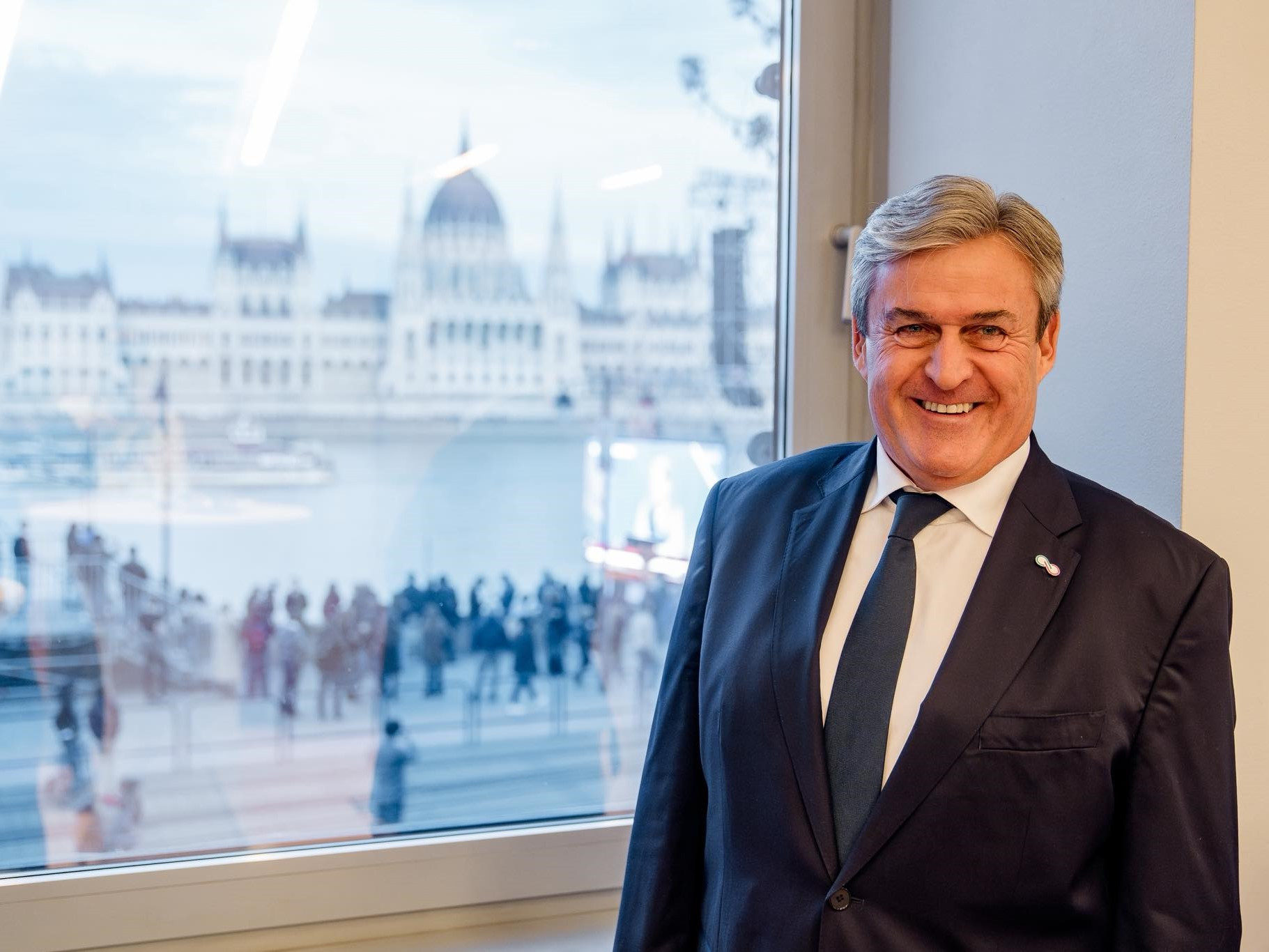
Minister for Economic Affairs and Economic Development: István Kapitány (b.1961)
 Source: István Kapitány / Facebook
Perhaps Tisza’s biggest “signing” is the former global vice president of Shell. He graduated in 1984 from the College of Commerce, Catering and Tourism, the predecessor of today’s Budapest Business University. He began his career at a Hungarian trading company, then in 1987 joined Shell’s Hungarian subsidiary, where he built up the network of supermarkets attached to petrol stations. From then on his career took off: he held several leadership positions at Shell worldwide, with a number of successful projects and commercial innovations linked to his name. From 2014 he served for 10 years as the company’s global vice president.
He has an extensive network of international economic and political contacts, and Tisza plans to rely on him in the fields of economic development and energy policy.
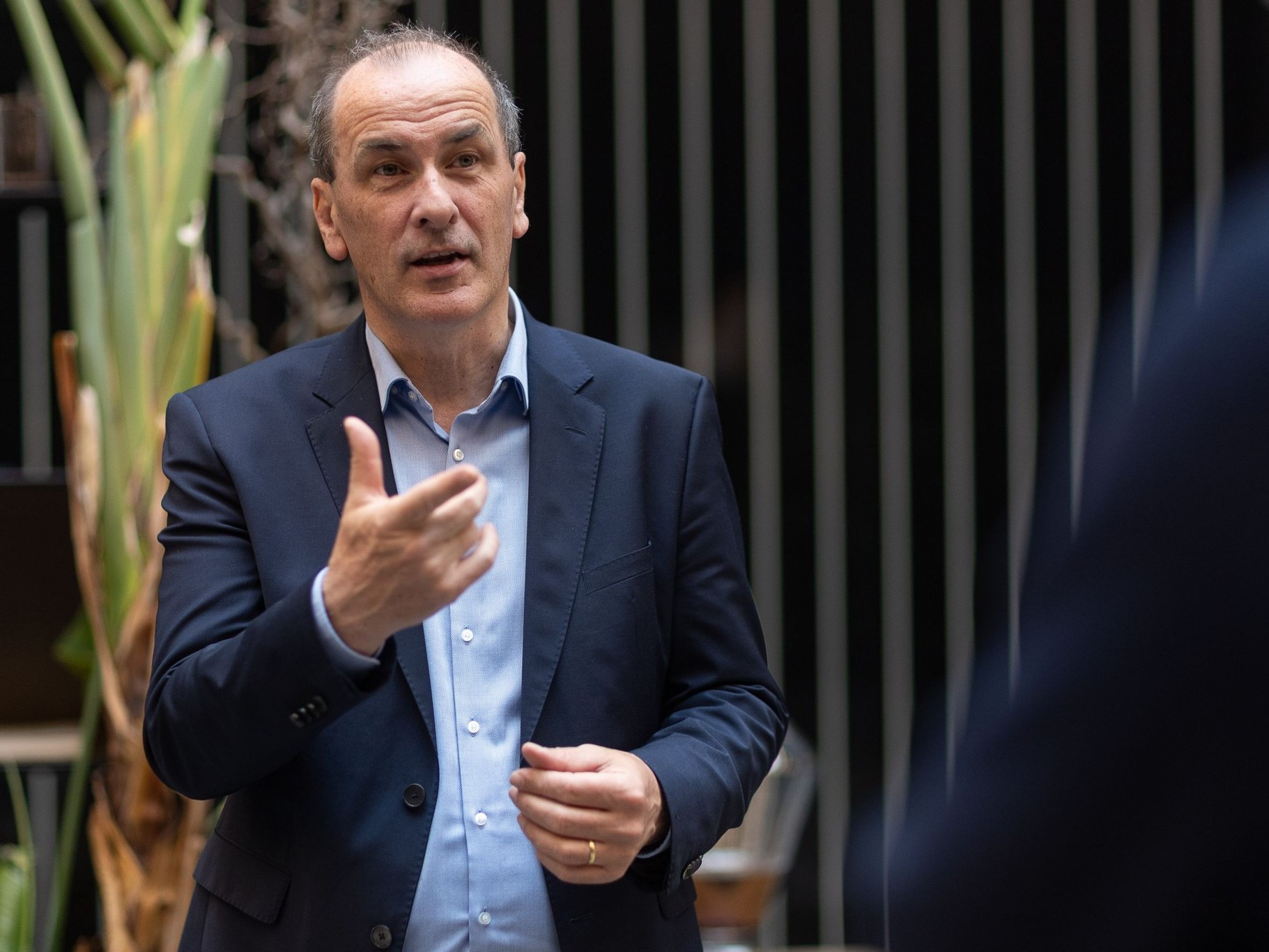
Health minister: Zsolt Hegedűs (b.1969)
 Source: Zsolt Hegedűs / Facebook
Hegedűs became world-famous overnight for his dance, which he performed on Tisza’s stage on election night.
He graduated from Semmelweis University in Budapest, then moved to the United Kingdom in 2005, where he headed the orthopaedic department of a Manchester hospital, later becoming a doctor at the Practice Plus Group hospital near Bristol.
In 2015 he moved back to Hungary with his family; he is currently chief physician of the Sports Surgery Department at the National Institute of Sports Medicine and a specialist at the Wáberer Medical Center, while retaining his practice in the UK. He is a former vice-president of the Trade Union of Resident Doctors and Specialists, one of the leaders of the “1001 doctors without gratuity payments” movement, and from 2019 to 2023 he chaired the Ethics College of the Hungarian Medical Chamber.
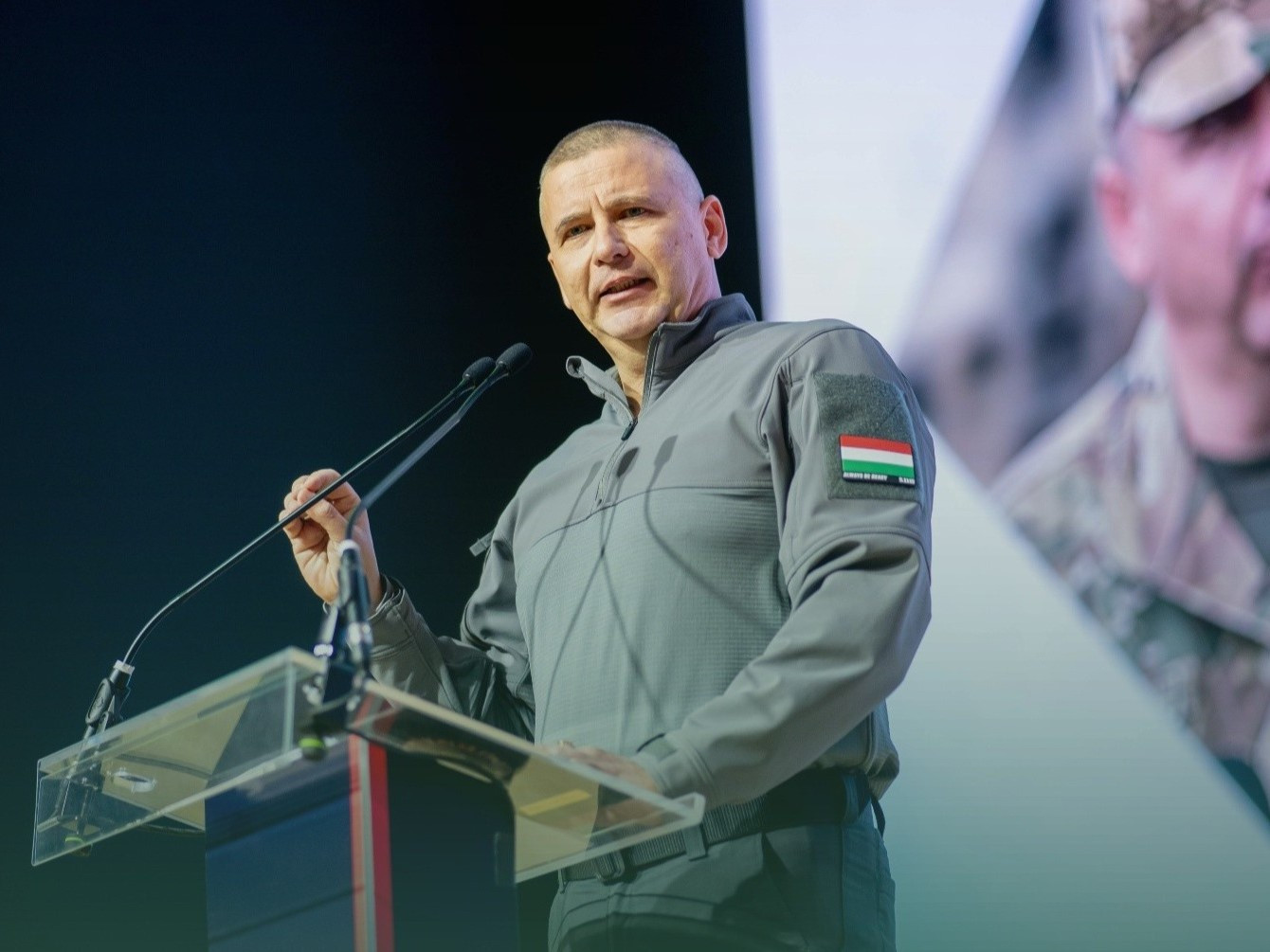
Defence minister: Romulusz Ruszin-Szendi (b.1973)
 Source: Romulusz Ruszin-Szendi / Facebook
He studied at the Kossuth Lajos Military College and then at the Zrínyi Miklós National Defence University, where he also obtained a PhD, and later completed the senior leadership course in strategic studies at the US Army War College. Serving in various positions in the army, he rose steadily through the ranks and took part in missions in both Iraq and Afghanistan.
Between 2021 and 2023 he was commander of the Hungarian Defence Forces and then chief of the general staff. Under his command, in early 2023, the armed forces launched the process that became infamous as “rejuvenation”, during which several hundred officers and senior officers over the age of 45 were dismissed from the military. In April 2023 he himself was relieved of his duties and then discharged from the army.
In February 2025 he appeared alongside Tisza, becoming the party’s defence expert. It caused a major stir that, as the former chief of general staff of the sitting government, he sided with Magyar. The pro-government propaganda also launched a smear campaign against him, trying to link him to corruption cases, none of which led to proceedings. The case opened against him for carrying a gun while holding public forums was also dropped.