

Rachel Reeves has been accused of trying to “row back on Brexit”, as the chancellor prepares to set out how “deeper” ties with the EU will help drive economic growth.
 admin
admin



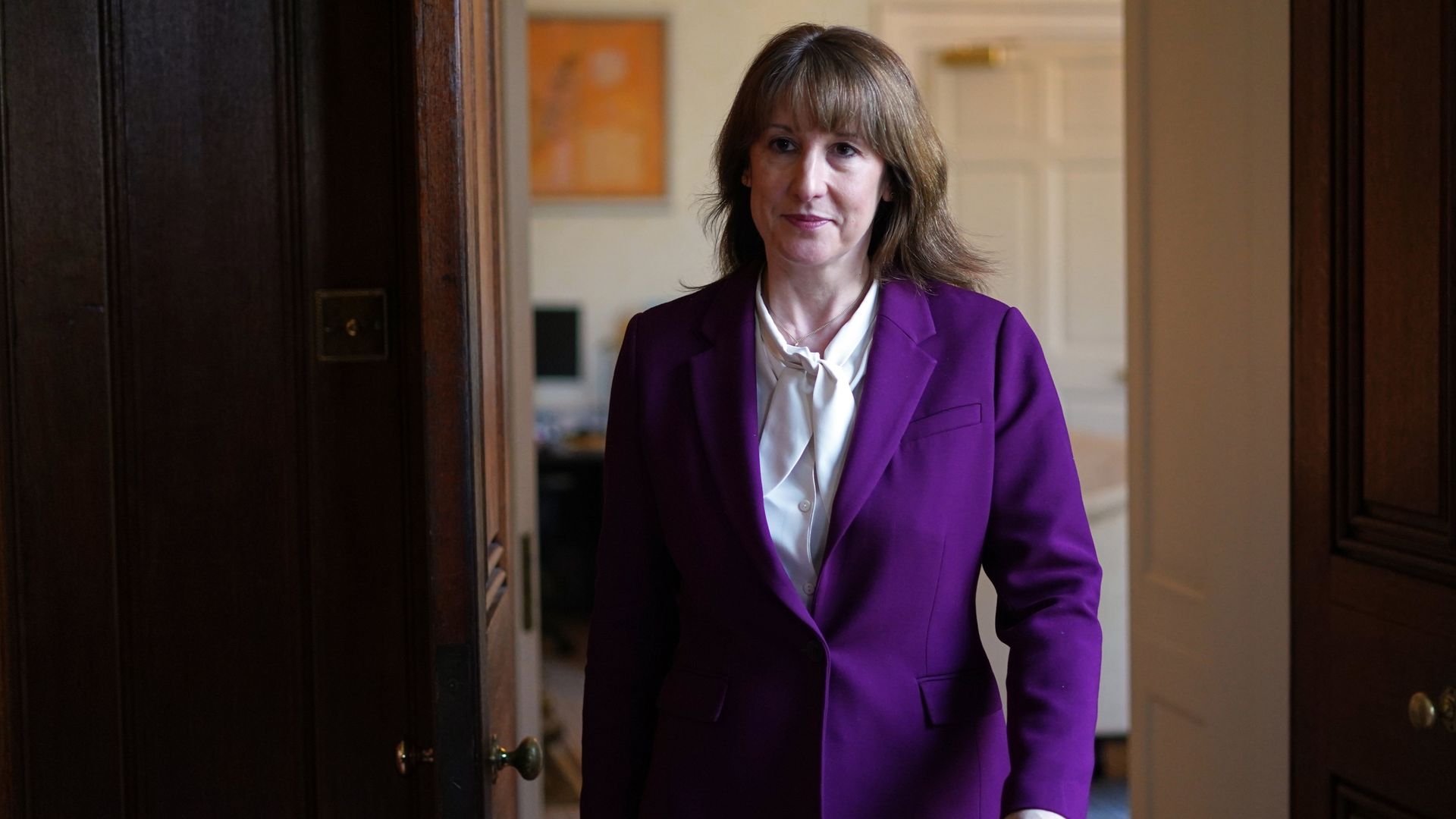
Rachel Reeves has been accused of trying to “row back on Brexit”, as the chancellor prepares to set out how “deeper” ties with the EU will help drive economic growth.
Ms Reeves will deliver the annual Mais lecture today, where she will declare regional investment and AI as being similarly vital for getting the economy growing.
“In this changing world, Britain is not powerless,” she will say. “We can shape our own future. Our method is stability, investment, and reform – through an active and strategic state.
“Today, I am making three big choices on the greatest growth opportunities for Britain in the decade to come: growth in every part of Britain, AI and innovation, and a deeper relationship with the EU.”
But the Conservatives have said it’s her economic policies, not the departure from the EU that they oversaw, that’s caused the economy to stagnate.
Shadow chancellor Sir Mel Stride accused the chancellor and prime minister of wanting “to row back on Brexit”.
“Labour are desperate to blame anyone but themselves for their economic failures,” he added.
More on Artificial Intelligence Related Topics:
“Under increasing pressure, having mismanaged the economy, Reeves would rather point the finger at Brexit than accept their poor choices have been a disaster for our economy.”
OBR’s GDP growth forecast
2026: 1.1% (decreased from 1.4%)
2027: 1.6% (increased from 1.5%)
2028: 1.6% (increased from 1.5%)
2029: 1.5% (unchanged)
2030: 1.5% (unchanged)
Ms Reeves’s lecture comes following anaemic growth figures. The economy didn’t grow at all in January, and only by 0.2% in the three months prior.
The Office for Budget Responsibility (OBR) downgraded its growth forecast for 2026 a fortnight ago – although it is forecast to grow slightly quicker than previously expected in 2027 and 2028.
Ministers are also grappling with the economic consequences of the Iran war, which threatens to push up energy prices and inflation if the conflict continues for much longer.
You need javascript enabled to view this content



 Enable javascript to share Share