

If a European airline chooses to delay a flight due to extraordinary circumstances, causing later flights to be delayed, it must compensate the subsequent passengers, according to a new European Court of Justice ruling on Wednesday.
 Owen Carpenter-Zehe



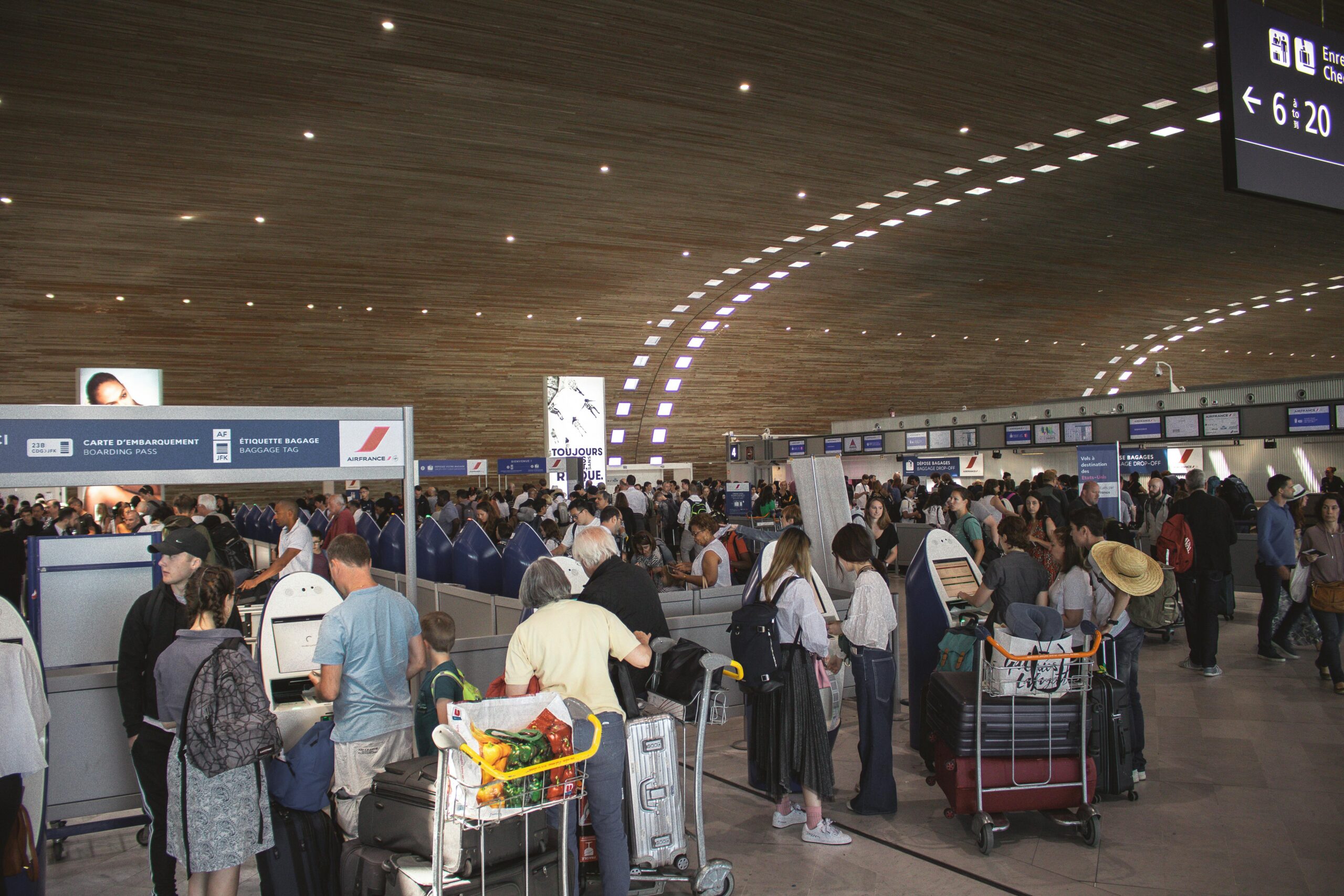
If a European airline chooses to delay a flight due to extraordinary circumstances, causing later flights to be delayed, it must still compensate the subsequent passengers, according to a new European Court of Justice ruling published on Wednesday (4 March).
EU law requires airlines compensate passengers for delays over three hours, except when the delays come from “extraordinary circumstances” (such as air traffic control decisions or poor weather.)
But the judgement was deliberated in European General Court, and clarifies that, even though a flight’s circumstances might be extraordinary, if the airline is not obligated to, but rather chooses to hold the flight, any subsequent take-off delays spawning from that decision are subject to compensation.
The court’s decision on compensation stems from a European Air Charter plane at Cologne-Bonn Airport, which the airline delayed by over five hours to wait for the passengers to arrive, as they were all stuck in an exceptionally long security check.
This airline’s delay affected two passengers in Düsseldorf whose flight was delayed for over three hours due to their plane being stuck in Cologne, and the airline needing to swap aircrafts.
The passengers requested compensation, which the airline denied, citing extraordinary circumstances with the earlier flight.
The ruling further clarifies the compensation requirements for airlines, but itself comes in the midst of a European institutional scuffle over the future of these compensation rules.
Three hours or four?
The European Parliament and the European Council are split over an initiative launched in 2014 to update passenger and airline rules.
The council only adopted its agreement — after 11 years — in June 2025, and their document has been perceived as more pro-airline than pro-passenger.
For example, national capitals suggest elongating the delay window back to four hours for flights within the bloc, and six hours for long-haul flights.
The council’s changes were not well received by parliament, with MEPs voting nearly unanimously in January to reject the council’s position, holding firm on the three-hour delay period for compensation, while also seeking to expand other passenger freedoms.
A council official told EUobserver that the current Cyprus council presidency aims to hold inter-institutional political talks on the file on 23 March.
But officials also explained the parliament’s new proposal is planned to arrive in the council this month, and said: “it is to be expected that the council will reject it, as the parliament’s position is quite far from what the council’s general approach is.”
The council has four months to reject or accept the MEPs’ proposal.
If it is rejected, the two institutions establish a last-resort “conciliation committee” to negotiate an agreement, which, if reached, is then sent back to the bodies for a final vote.