
The Bank of England has all but confirmed that interest rates will be hiked in the coming months as oil prices have shot up, despite opting to hold them in a meeting on Thursday. The Bank’s Monetary Policy Committee warned interest rates could climb back to 5.25 per cent from
 Mauricio Alencar



Thursday 30 April 2026 12:33 pm
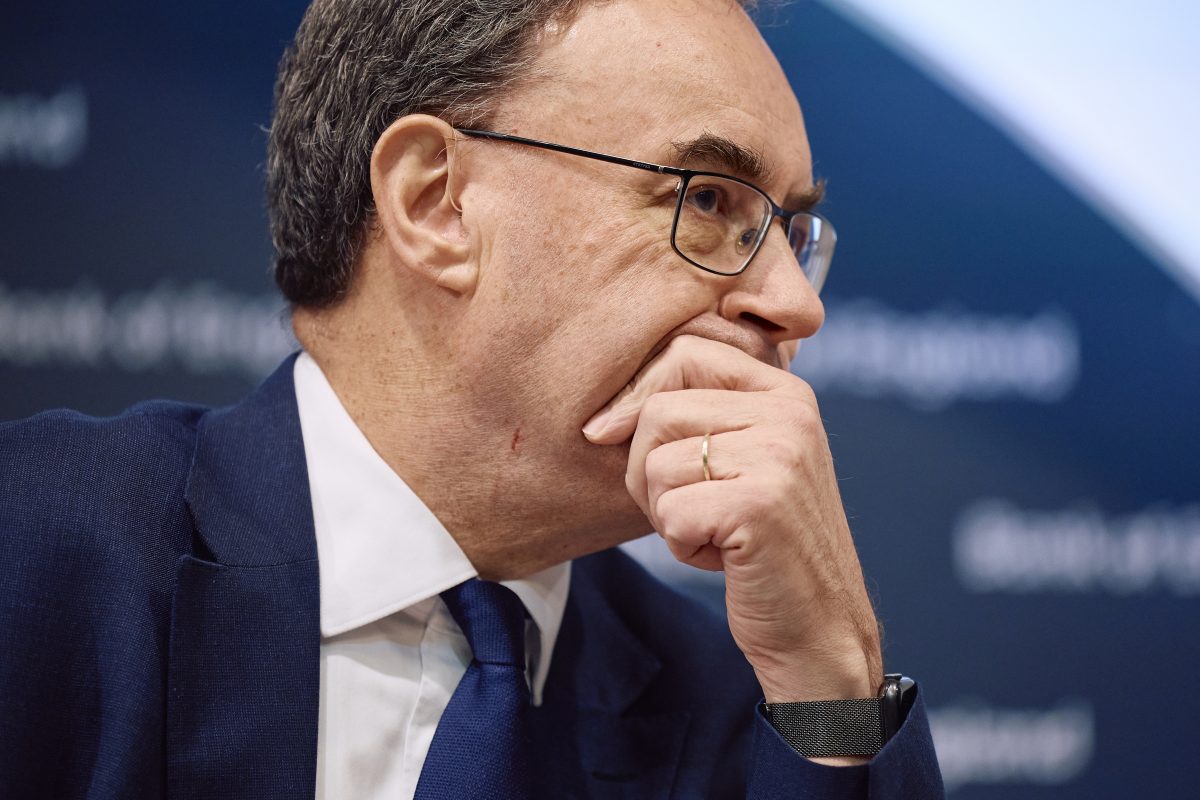
 Governor Andrew Bailey voted for interest rates to be held.
 The Bank of England has all but confirmed that interest rates will be hiked in the coming months as oil prices have shot up, despite opting to hold them in a meeting on Thursday.
The Bank’s Monetary Policy Committee warned interest rates could climb back to 5.25 per cent from the current level of 3.75 per cent, cancelling all six interest rate cuts seen over the last two years.
This sharp change in the direction of interest rates would take place in a scenario where oil prices exceed $130 per barrel and sustain high levels for the next year and a half.
Its updated forecasts suggested inflation would exceed six per cent while growth would also suffer a hit.
Policymakers voted 8-1 to keep interest rates at 3.75 per cent in an approach that suggests tightened financial markets, as per higher bond curves, has already given the MPC a lifeline on easing inflation.
#mc_embed_signup { background: #fff; clear: left; font: 14px Helvetica, Arial,sans-serif; width: 100%; max-width: 600px; margin: 20px 0; } #mc-embedded-subscribe-form { margin: 20px 0 !important; } .newsletter-form-flex { display: flex; gap: 0; align-items: center; margin-top: -10px; } .newsletter-form-flex input[type=”email”] { flex: 1; padding: 2px 10px; border: 1px solid rgb(18, 22, 23) !important; border-radius: 12px 0 0 12px !important; } .newsletter-form-flex input[type=”submit”] { padding: 4px 10px !important; margin: 0 !important; background-color: rgb(18, 22, 23) !important; color: rgb(255, 255, 255) !important; border: 1px solid rgb(18, 22, 23) !important; border-radius: 0 12px 12px 0 !important; } .newsletter-banner-content { margin-bottom: 15px; } .newsletter-banner-content h2 { margin: 0 0 10px 0; font-size: 18px; font-weight: 600; } .newsletter-banner-content p { margin: 0 0 10px 0; line-height: 1.5; } .newsletter-banner-content ul, .newsletter-banner-content ol { margin: 0 0 10px 20px; } .newsletter-banner-content a { color: #0073aa; text-decoration: none; } .newsletter-banner-content a:hover { text-decoration: underline; } .newsletter-banner-content img { max-width: 100%; height: auto; margin: 10px 0; } #mc_embed_signup #mce-success-response { color: #0356a5; display: none; margin: 0 0 10px; width: 100%; } #mc_embed_signup div#mce-responses { float: left; top: -1.4em; padding: 0; overflow: hidden; width: 100%; margin: 0; clear: both; }
The report said: “Tighter financial conditions would provide insurance against a more adverse outcome for inflation, while further evidence accumulated in the coming months and policy could be re-assessed.”
The Bank’s chief economist Huw Pill voted for interest rates to be hiked as the risks of second-round effects, where higher prices push up wages and vice-versa, could lead t inflation spiralling. He said a prompt hike to interest rates would “help mitigate upside risks to price stability”.
External member Catherine Mann said her vote to hold interest rates was “active” as financial market moves allowed her to wait to see further data.
Under a medium-risk scenario where oil and gas prices push up infaltion for the next two years, interest rates could still be hiked twice to 4.25 per cent. The best scenario where oil prices rapidly slide could also lead to an interest rate hike this year, according to forecasts in the report.
Most members said they leant towards the middle scenario where inflation only falls back to the target of two per cent until 2028.
Read more ‘Outlook uncertainty’: Interest rates to be left unchanged in crunch decision Interest rate warning to stun economists
Governor Andrew Bailey said the war was “causing inflation to rise again” as he defended the Bank’s decision to hold interest rates at 3.75 per cent.
“We think this is a reasonable place given the situation of the economy and the unpredictability of events in the Middle East. We’ll continue to monitor the situation and its impact on the UK economy very closely.
“Whatever happens, our job is to make sure that inflation gets back to the two per cent target after the initial impact of the war on energy prices has passed.”
Chancellor Rachel Reeves responded to the decision: “The war in the Middle East is not our war, but it is one we have to respond to.
“Every choice I make will be about keeping costs down for families and businesses, without repeating the mistakes we’ve seen in the past that resulted in higher inflation and higher interest rates.
“We entered this conflict in a stronger position because of the choices this government took to build economic stability, and we are going further to take back our energy security, backing British industry and protecting households, to build a Britain that is stronger, more resilient, and prepared for the future.”
In even the most benign scenario where oil and gas prices fall back rapidly to pre-war levels in the coming months, unemployment will rise to 5.45 per cent. It would mean that around 2m people would be left jobless.
The Bank’s growth projections were revised down slightly from 0.9 per cent to a range between 0.8 and 0.7 per cent in the Bank’s report although the assumptions were based on interest rates remaining at 3.75 per cent.
As inflation rose to 3.3 per cent in the year to March, Bailey was forced to write to Chancellor Rachel Reeves explaining why price growth had surged.
He said there had been “a significant impact” on the supply of key goods including oil and gas.
Read more Housing stocks drag on FTSE as inflation woes build into Bank of England interest rates call
Similarly tagged content: Sections Categories People & Organisations