




Something interesting is happening across southeastern Europe. While the usual suspects overflow with laptop warriors, the digital nomad Balkans scene has been quietly building momentum. Remote workers are learning what travelers have known for a long time: at these prices, this area has a better quality of life than Western Europe.
There is a rare chance in the Balkans in 2026. Infrastructure has finally caught up with ambition. There are now many more coworking spaces. There are now ways to get a visa. But the crowds haven’t come yet. Coffee still costs what it should. Apartments don’t require six months of savings. And the internet? Some of the fastest in Europe.
Let’s start with the cities that actually make remote work feel easy in the Balkans.
Tirana: Where Everything is Changing
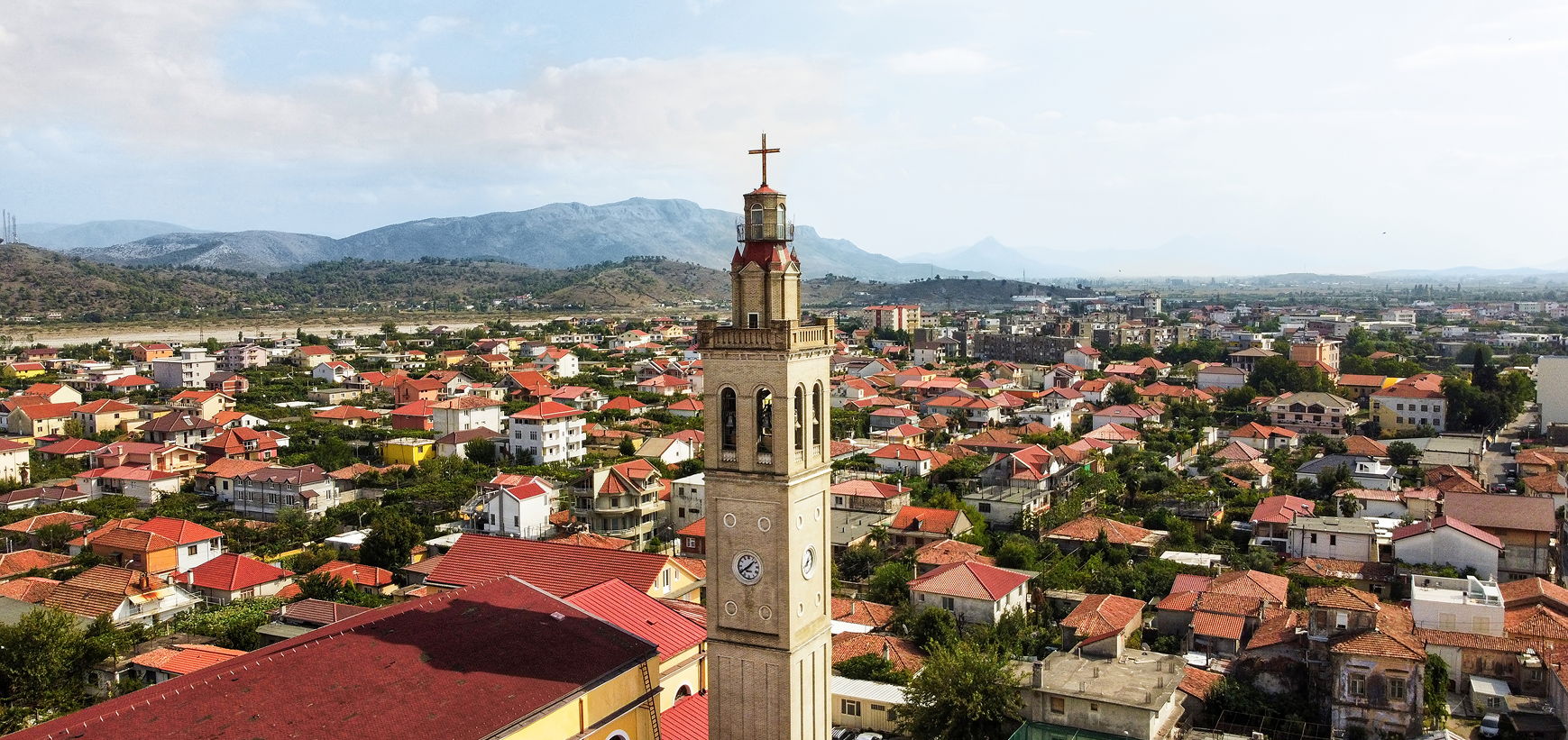
Albania’s capital barely registered on the nomad radar five years ago. Today, it stands among the best cities for remote work in the Balkans, combining Mediterranean energy with surprisingly modern infrastructure.
The transformation started with connectivity. Fiber optic cables now snake through neighborhoods that had unreliable electricity a decade ago. The government rolled out an online digital nomad visa system that actually works. You apply from your laptop, upload your documents, and receive approval without visiting an embassy. The permit lasts a year and can be renewed for up to five years total.
The Blloku neighborhood, once reserved for communist party elites, now pulses with cafes, restaurants, and coworking spaces. Dutch Hub operates from a 1,000 square meter facility where you might find yourself working alongside Albanian tech founders, German freelancers, and American content creators. Innospace offers something more intimate, with floor-to-ceiling windows overlooking the city and community events that actually foster connections.
Living costs remain genuinely affordable. An apartment in the center that is in good shape costs between €400 and €600 a month. Dinner at a nice restaurant almost never costs more than €15. One couple wrote about their whole 10-week stay in Albania, which cost them $1,680 a month. They weren’t exactly roughing it.
Belgrade: The Established Hub
Belgrade, the capital of Serbia, has been welcoming remote workers longer than most other cities in the region, and the city’s infrastructure shows that. Belgrade has a more developed ecosystem for people who want to work from home in Albania and Serbia.
The building that houses Impact Hub Belgrade used to be where radio dramas were made. The original woodwork remains, arches and all, but the wifi runs at speeds that would make most European capitals envious. Monthly membership costs €150 for unlimited access. Rather than the group of people who are constantly on the road, the community leans more toward entrepreneurs and creative professionals.
Although it is more expensive than Tirana, the city is still very reasonably priced. A decent one-bedroom apartment in the center will cost between €500 and €700, with monthly living expenses ranging from €1,000 to €1,300. It may not seem like a big deal that public transportation is free, but it really does make life easier.
Serbia doesn’t have a specific visa for digital nomads, but remote workers who can prove they have a job abroad and a good salary can live there temporarily.
Anyone comparing coworking spaces in Tirana and Belgrade will find distinct personalities. Tirana’s scene feels younger, scrappier, still finding its identity. Belgrade’s options run deeper, more varied, with established communities and regular programming.
Montenegro: Work Meets the Adriatic
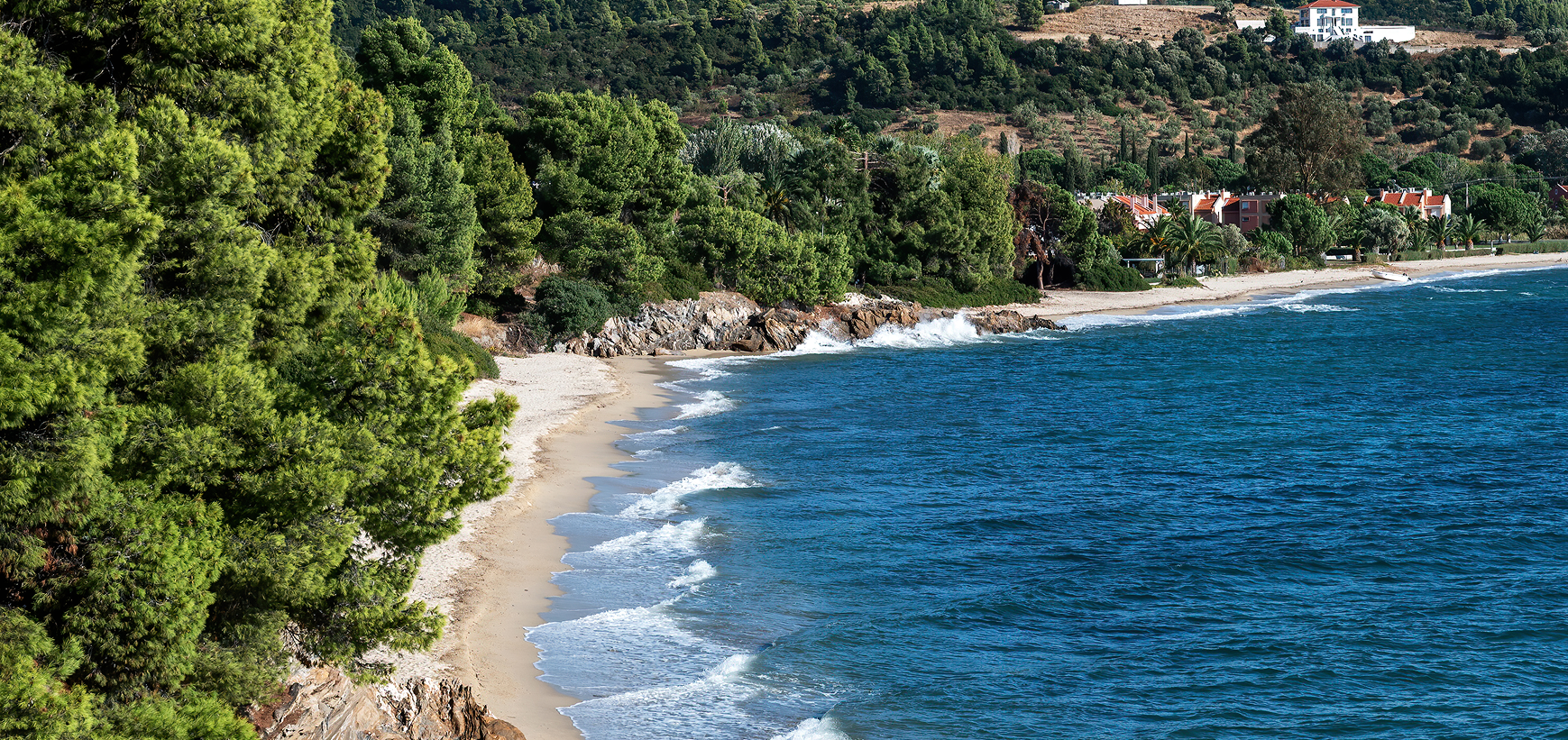
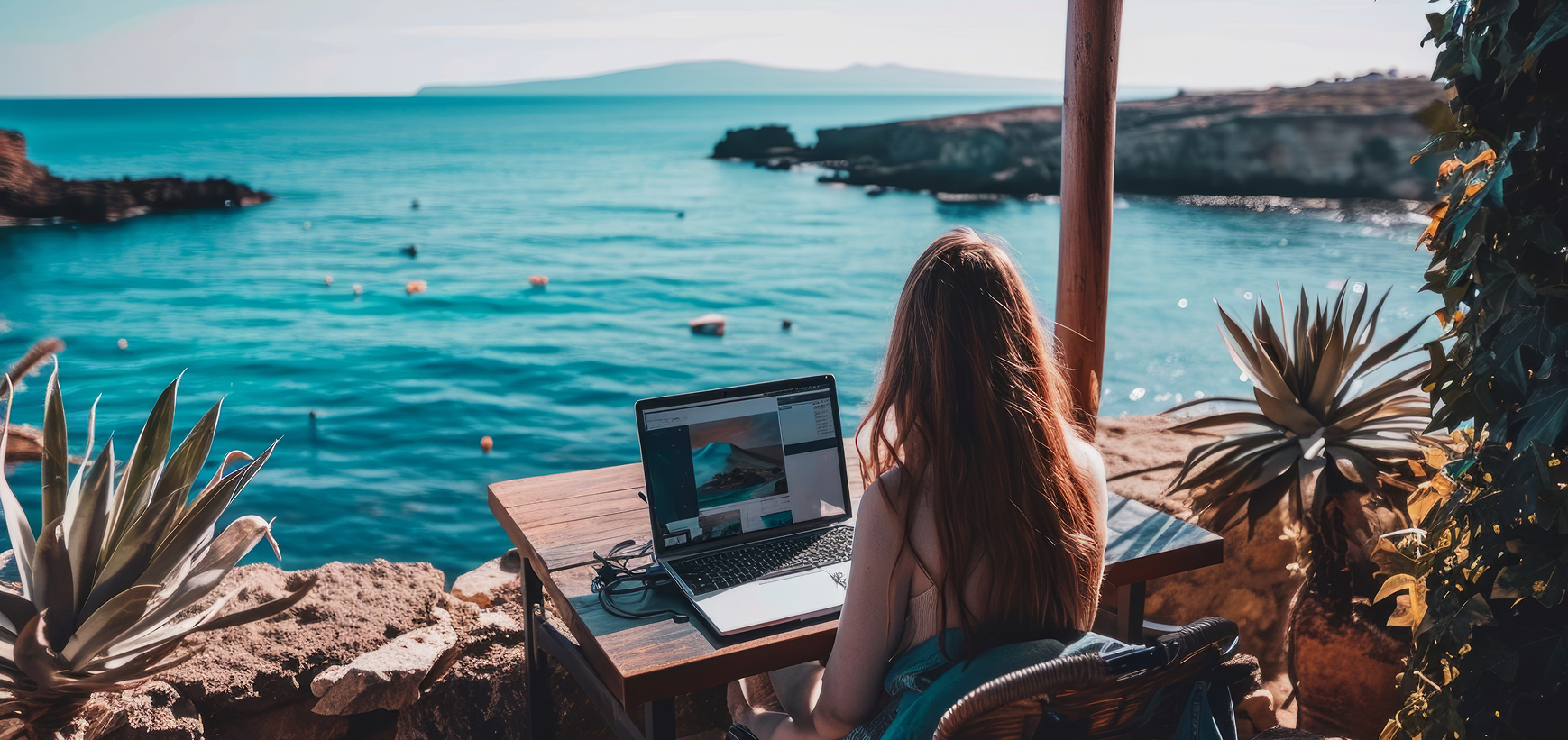
Montenegro offers something the other Balkan capitals cannot: the sea.
The government set up a structured digital nomad program that lets people stay for two years and then renew for another two years. You need to show proof of remote work and a monthly income of about €2,000. A real benefit: nomads don’t have to pay social contributions on money they earn in other countries.
A lot of nomads use a mix of both methods. They stay in Podgorica when they have a lot of work to do and move to coastal towns when they don’t have to meet strict deadlines. You can live and work at Kotor Nest Coliving, which has a view of the bay. The setting of the medieval old town makes video calls feel a little strange.
The monthly costs are the same as in Tirana. Studio apartments cost between €400 and €600.
Romania and Bulgaria: For the Bandwidth Obsessed
Romania and Bulgaria are worth a serious look if your job depends on upload speeds and latency.
Bucharest is often one of the ten fastest cities in the world for broadband. The median download speed is over 250 Mbps, and you can get gigabit plans for about €8 a month. That’s not a mistake. Eight euros for speeds that would cost ten times as much in most Western cities. Eight euros for speeds that would cost ten times more in most Western cities.
Bulgaria has emerged as Europe’s mobile internet leader, claiming the continent’s top spot for 5G speeds in early 2025. Both countries function as EU members, simplifying visa logistics while offering cost structures closer to the Balkans than to Brussels.
Skopje: The Deep Value Play
North Macedonia’s capital draws in nomads who make decisions based on their budget. Skopje is one of the cheapest places in Europe for digital nomads to live. The average monthly cost of living there is around €600, not including rent. Apartments in the city center cost between €200 and €350.
The downside is that North Macedonia doesn’t have a special visa for digital nomads, and there aren’t many coworking spaces. Most Western passport holders can stay 90 days visa-free, making Skopje ideal for shorter stints or as part of a Balkan rotation strategy.
Making the Move
Being flexible pays off in the Balkans. Each city has its own benefits, and many nomads move around the region instead of staying in one place. Tirana because it’s easy to set up and has a lot of energy. Belgrade for its depth and European city vibe. Montenegro, when the sea calls. Romania, when bandwidth is most important.
In Albania and Montenegro, cash is still more common than it is in Western Europe. Private healthcare is affordable in major cities, though international insurance remains essential.
The window won’t stay open indefinitely. Cities that feel refreshingly authentic today will inevitably evolve as more remote workers discover them.
Balkans Digital Nomad Comparison 2026
| City | Monthly Rent | Total Cost | Coworking | Nomad Visa | Internet |
| Tirana | €400-600 | €900-1,200 | €80-150 | Yes, 5 years | 100+ Mbps |
| Belgrade | €500-700 | €1,000-1,300 | €90-150 | Temp residence | 120+ Mbps |
| Podgorica | €400-600 | €900-1,200 | €100-180 | Yes, 4 years | 96 Mbps |
| Bucharest | €500-700 | €1,100-1,400 | €100-200 | Temp residence | 251 Mbps |
| Sofia | €450-650 | €1,000-1,300 | €100-180 | Freelance visa | 155+ Mbps |
| Skopje | €200-350 | €800-1,100 | €60-120 | 90-day free | 100+ Mbps |
Have you worked remotely from the Balkans? We’d love to hear which cities worked for you and what surprised you most. Share your experiences in the comments below.