






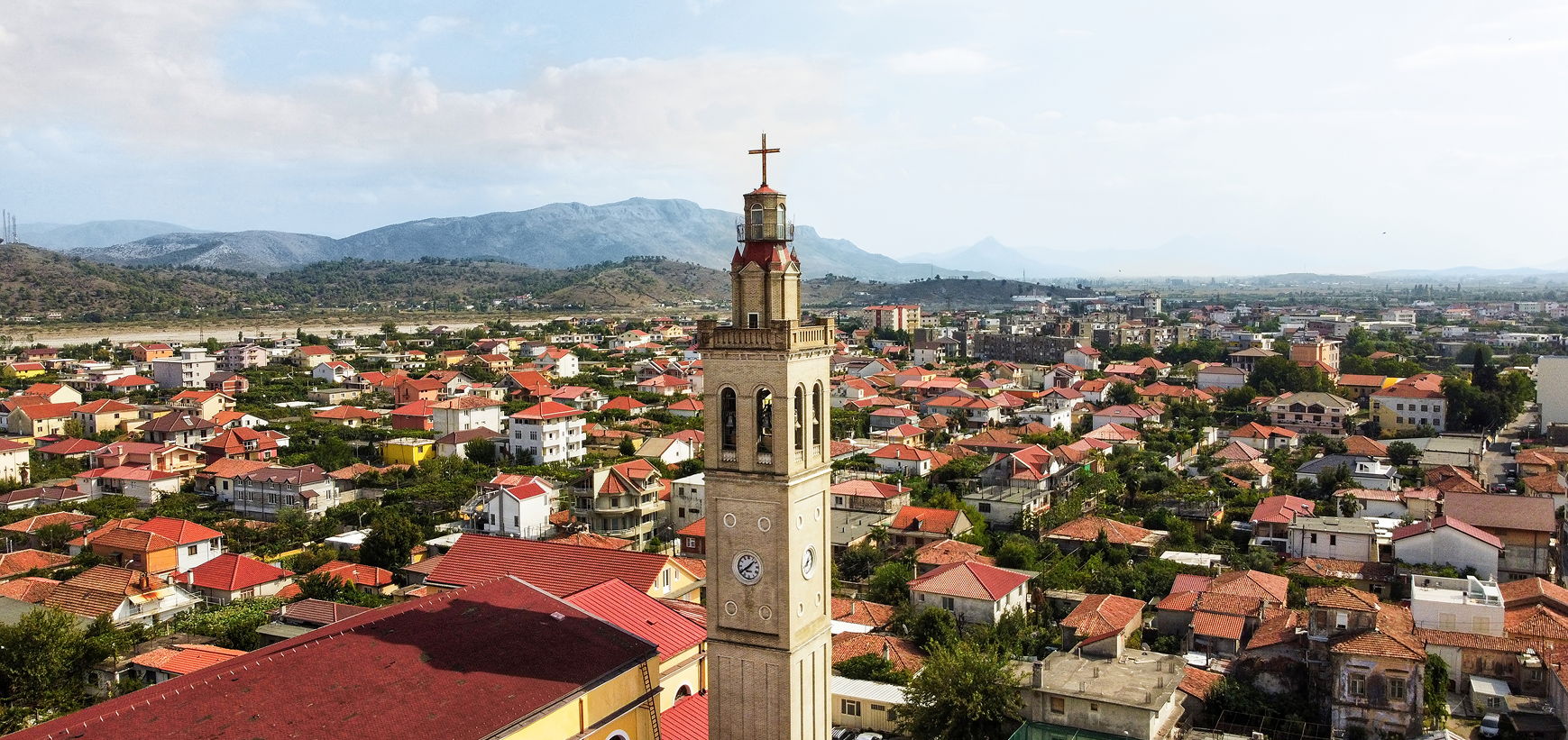
For decades, the dream of moving to Europe has looked almost exactly the same. You picture yourself on a sun-drenched balcony in Tuscany, or perhaps winding through the cobblestone streets of Rome with an espresso in hand. Italy has been the undisputed king of the expat lifestyle. It represents the pinnacle of culture, history, and the famous “dolce vita.”
But recently, a quiet shift has been happening. People who spent years dreaming of Italy are packing their bags and heading a few hours southeast to a country many of them barely knew existed a decade ago: Albania.
It is not that Italy has lost its charm. It is still magnificent. But for a lot of people looking to actually live somewhere—work, pay bills, buy groceries, and build a life—the reality of modern Italy has become… difficult. Enter Albania. It offers the same Mediterranean sun, the same incredible coffee culture, and the same rugged coastline, but without the financial pressure that is slowly squeezing the life out of expats in Western Europe.
In fact, the overall cost of living in Albania is about 25–35% lower than in Italy when you factor in rent and everyday expenses. That is not just a discount; it is a game-changer. It is the difference between surviving and thriving.
Let’s be honest: money is usually the first hurdle. While the lifestyle draws you in, the bills keep you there. When you compare the day-to-day economics of the two countries, the reason for the shift becomes obvious.
Money is the hook, but it is the lifestyle that makes people stay. When expats describe the shift from Italy to Albania, they rarely talk about their savings account first. They talk about the air.
The Italian Way: Daily life in Italy is beautiful but layered with formality. There is often a right way and a wrong way to do everything. There is a certain performance required—dressing well for a simple grocery run, adhering to strict coffee rituals (no cappuccino after 11 AM!), and navigating the famously sticky bureaucracy.
The Albanian Way: Albania feels lighter. It prioritizes relationships over rigid systems. Cafes in places like Blloku in Tirana or the promenade in Vlora are places to sit, think, and connect, not just fuel up. You can sit for hours with a single coffee, and no one will rush you. There is a refreshing lack of pretension.
In Italy, getting things done can feel like running a maze. Tasks often require piles of paperwork, stamps, and navigating ancient administrative systems that move at a glacial pace.
In Albania: Things get done. Often, tasks that would take weeks in Italy happen here through a conversation and a handshake. The prices in Albania are low, but the “transaction cost”—the time and stress required to solve a problem—is arguably even lower. It is direct and informal. If you have an issue, you talk to someone. You solve it. You move on.
One of the biggest surprises for new arrivals is how quickly Albania feels like home. This is arguably the biggest differentiator.
In Italy, it can take years to break into local circles. There is a wonderful warmth there, yes, but there is also a subtle “us vs. them” dynamic that can be hard for a foreigner to penetrate. You are always the “straniero.”
Albania is different. Here is how expats describe the social shift:
Albania isn’t for everyone, and that is perfectly fine. If you are the kind of person who thrives on the kind of order and predictability you find in Switzerland or Germany, you might find the relaxed, sometimes chaotic nature of life here a bit stressful.
But if you are someone who feeds off energy and doesn’t mind a little unpredictability, it is going to feel like home. It really seems to click best with people who:
Are you up for an adventure? You’re willing to learn a bit of the language and navigate an economy that is still growing. You don’t mind a place that’s a little rough around the edges.
Crave financial freedom: You’re tired of your paycheck vanishing into bills. You want to live instead of worrying about rent.
This shift does not diminish Italy. Italy will always be Italy—magnificent, historic, and delicious. But it has become a “luxury” lifestyle, not just in terms of money, but in terms of the energy required to maintain it. It demands more planning, more compromise, and more stress.
Albania offers an alternative that is becoming increasingly rare: European living without the constant negotiation. It offers less performance, less pressure, and more room to actually live on your own terms.
The prices in Albania are the entry point, the thing that catches your eye when you are scrolling through rental listings or grocery bills. But the cost of living in Albania is about more than just numbers; it is about the cost of your peace of mind.
Choosing Albania over Italy isn’t about “settling” for something less. It is about alignment. It is about realizing that the life you want—one where you aren’t stressed, where you know your neighbors, and where your paycheck goes further—is actually waiting for you just across the Adriatic.
North Macedonia is among Europe’s best-kept secrets. Hidden within the...
April 15, 2026

Introduction In 2025, search engines are evolving beyond indexing pages:...
February 27, 2026

Introduction Personalization is a requirement in 2025, driven by shrinking...
February 27, 2026
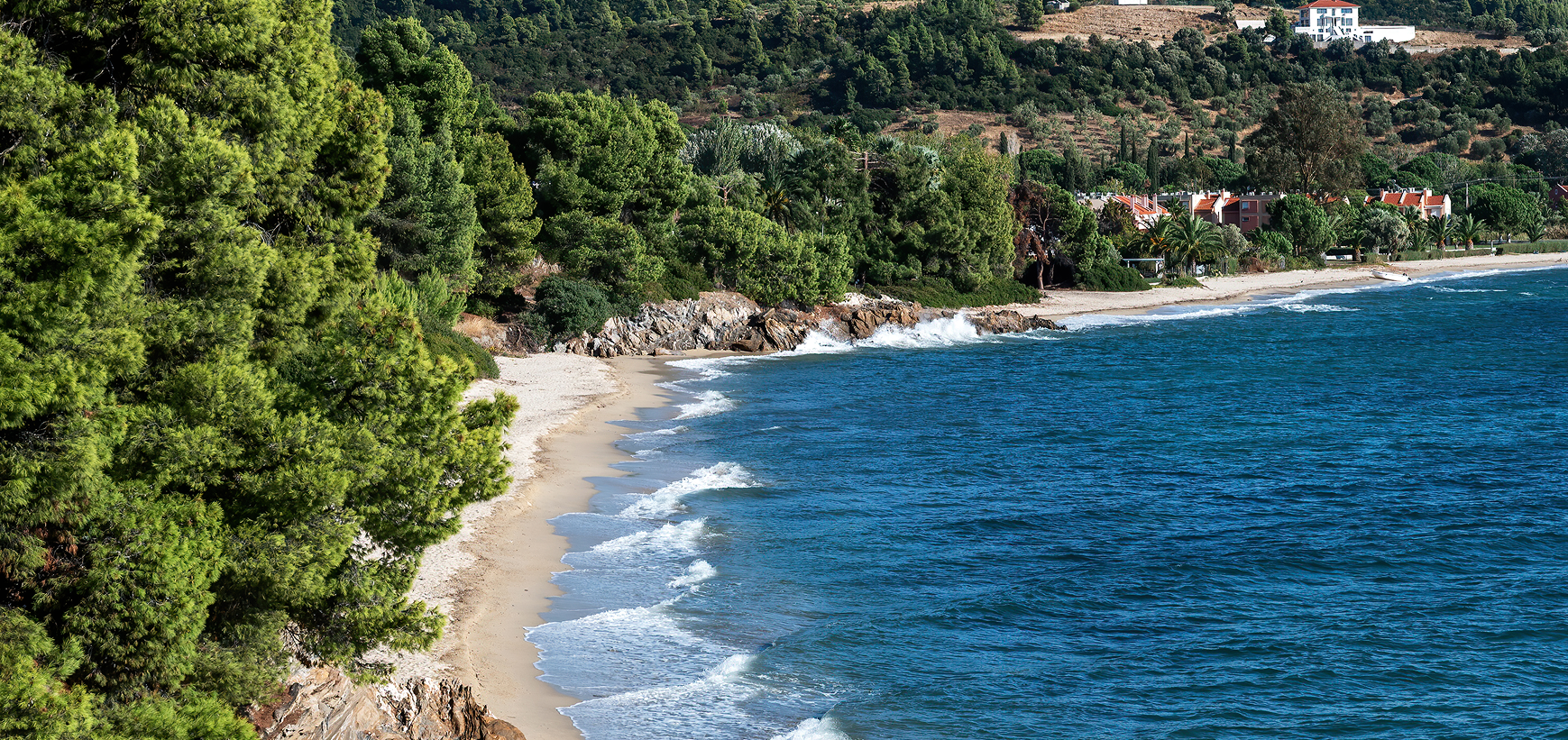
If you have been scrolling through Instagram or TikTok lately,...
February 16, 2026
For many travel lovers, Albania arrives without expectations. It’s often...
February 16, 2026
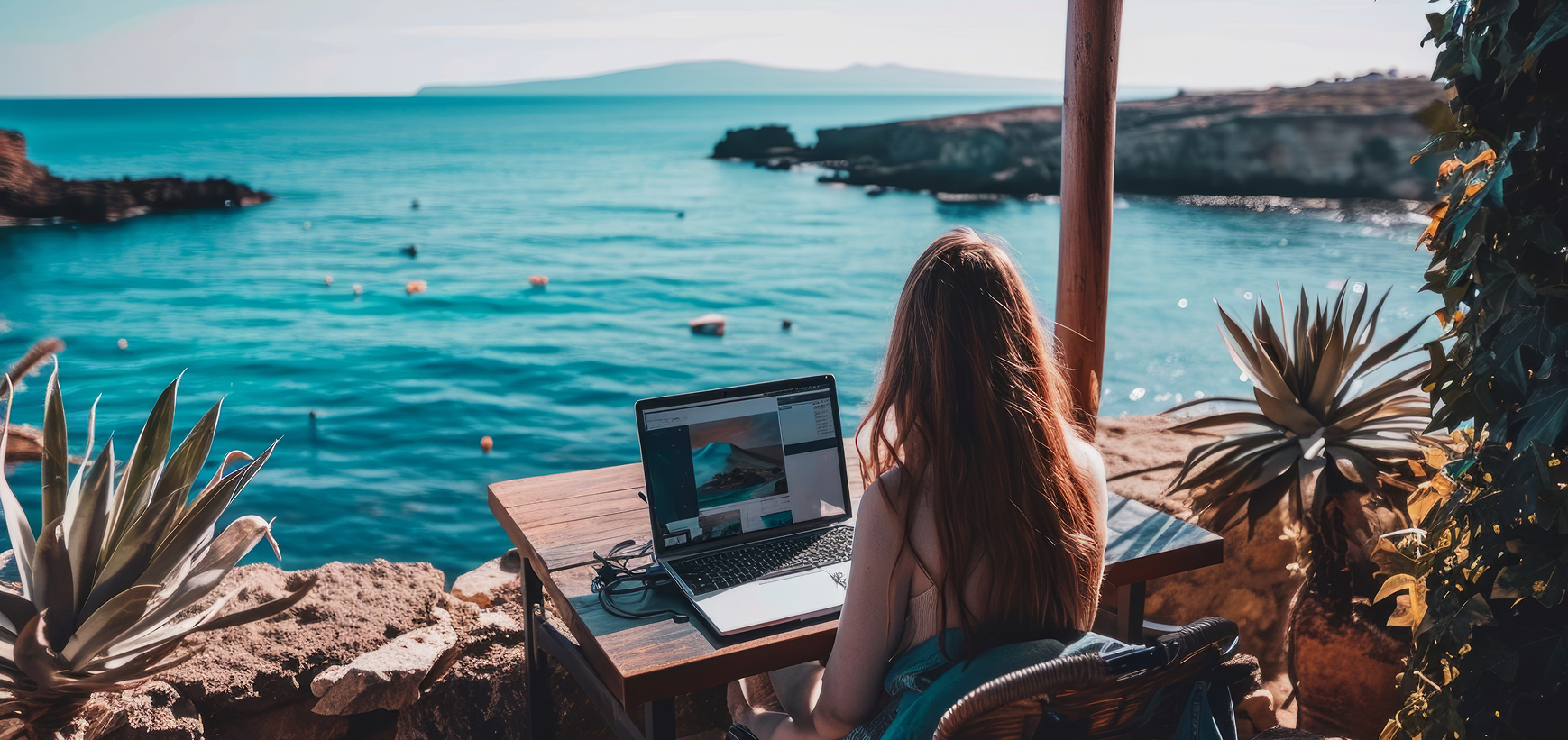
In recent years, remote work in Croatia has shifted from...
February 16, 2026
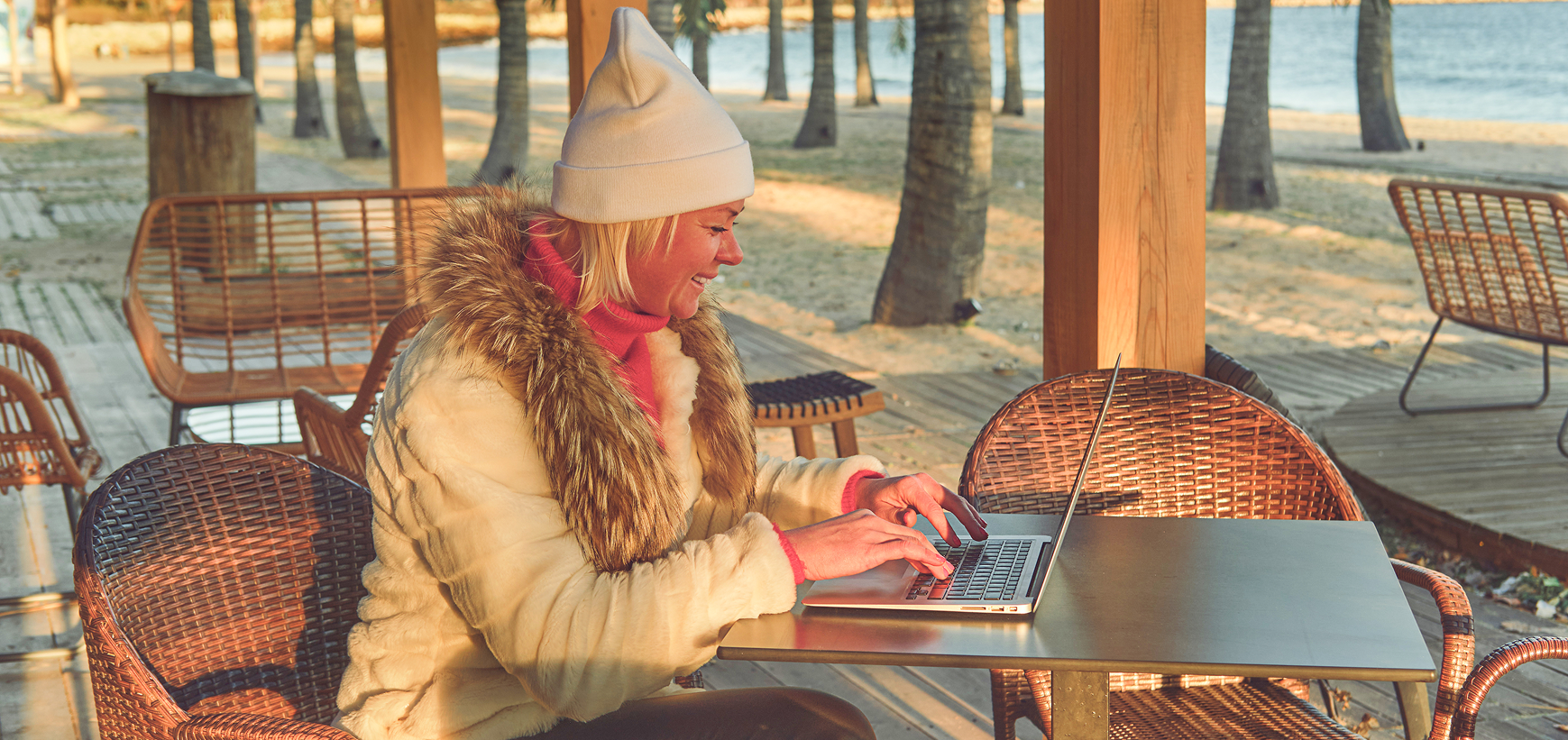
Something interesting is happening across southeastern Europe. While the usual...
February 16, 2026
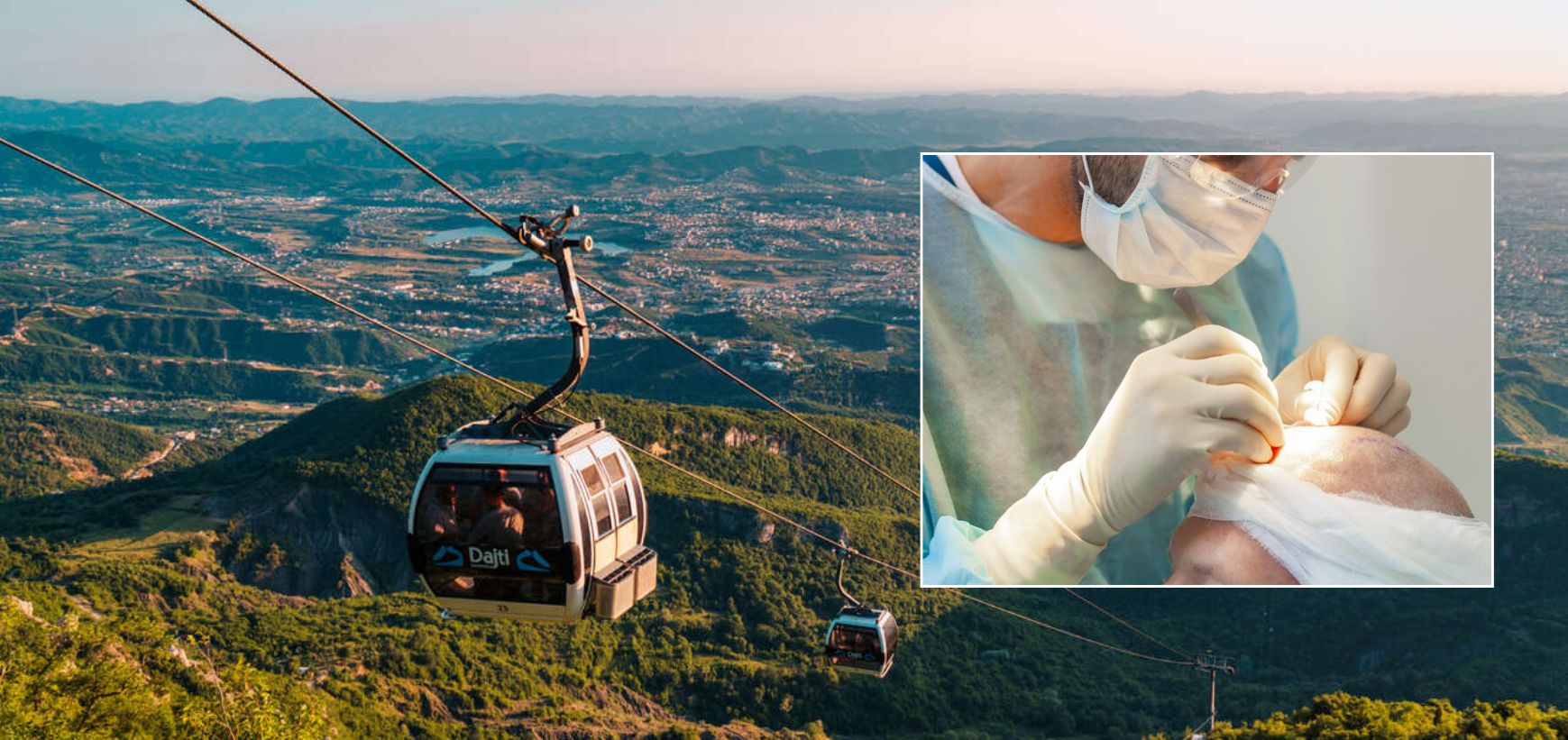
Hair transplant & vacation in Tirana isn’t just about restoring...
November 10, 2025
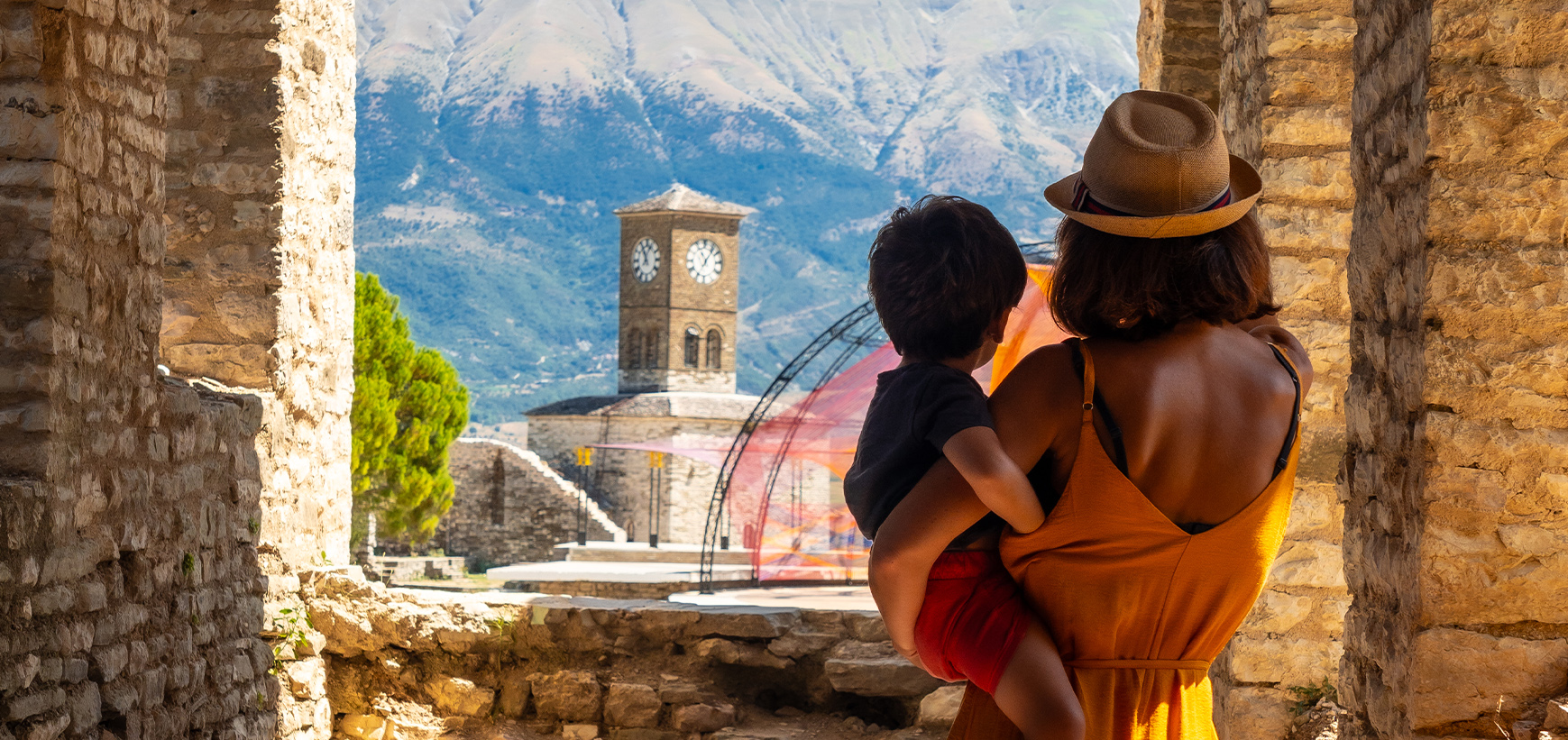
When is the best time to go to Albania? It...
July 4, 2025
If you're looking for a cheap European vacation, Albania will...
July 4, 2025
When people think about travelling to Europe, places like France...
July 4, 2025