






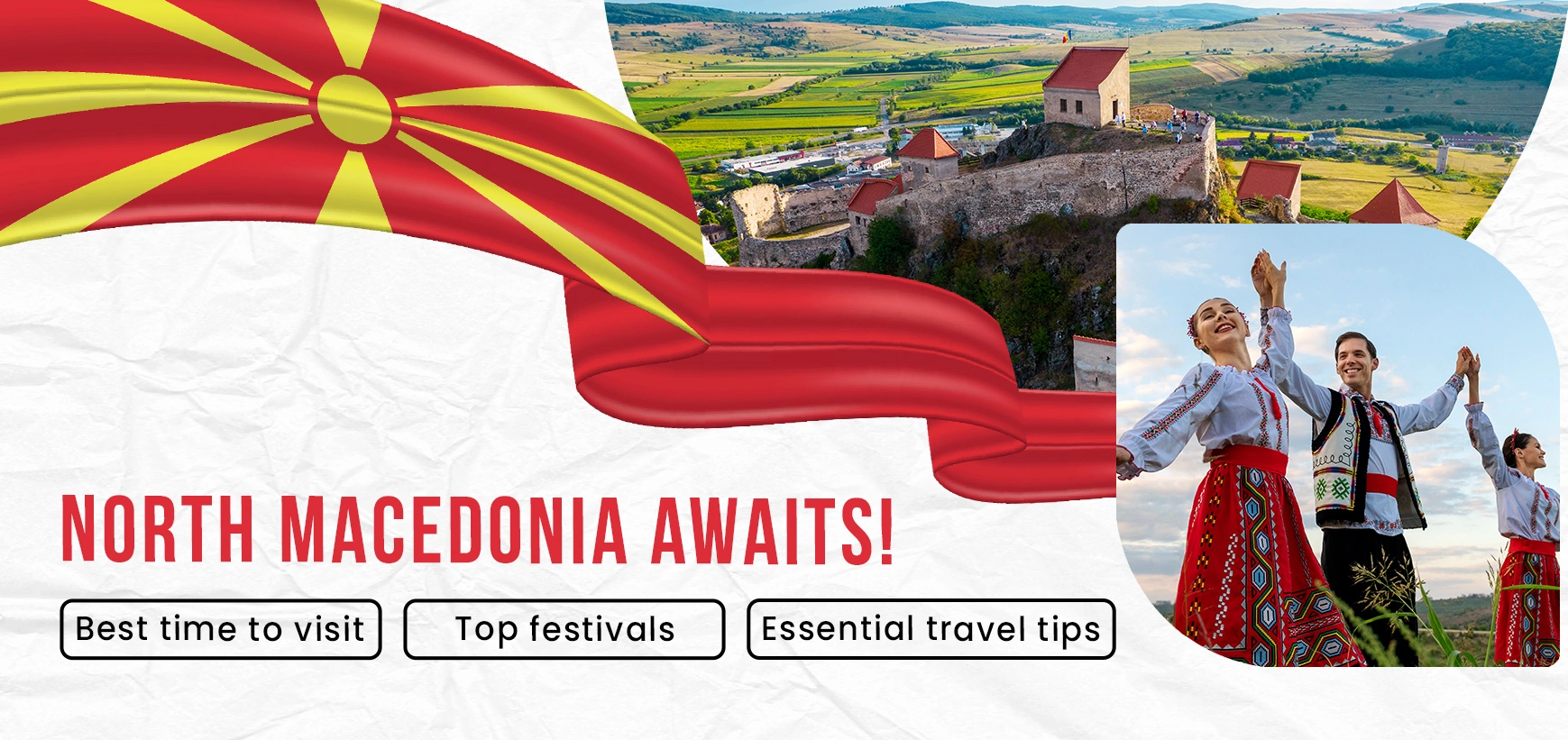
North Macedonia is among Europe’s best-kept secrets. Hidden within the confines of the Balkan Peninsula, there exists a distinctive destination for tourists that provides an ample supply of fascinating history, Ottoman-style architecture, and rough terrain.
In order to have a glimpse of the beautiful country, travelling at the right time of the year is very important. From the energy of summer concerts performed in historic theatres to the magical period of autumn grape harvesting in Tikvesh, the seasons seem to mirror the characteristics.
The following article from Insights Kolekr will guide you through the best time to visit North Macedonia with respect to climatic factors, cultural festivals, and additional travel tips to plan your vacation accordingly.
While North Macedonia can be visited all year round, the best period to come would be the shoulder seasons of spring (April-June) and fall (September-October). Throughout these months, you’re likely to bask in the mild weather, blooming landscapes, and essentially sparse crowds as compared to the peak summer months.
Spring is typically the transitional period where the winter frost paves the way to lush green valleys.
Summers in North Macedonia are defined by long, sun-soaked days and a thriving atmosphere.
With the fading of the heat, the country becomes a gold and amber palette.
Experience cosy retreats and electrifying mountain sports.
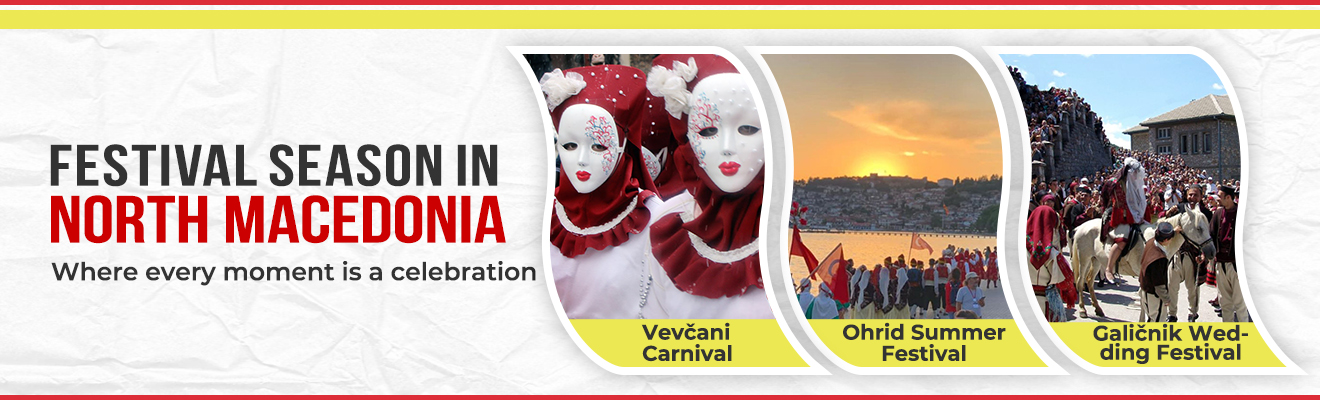
Festivals are considered the heartbeat of Macedonian culture. If possible, align your travel trip with one of these principal events:
1. Vevčani Carnival (January 13–14): Marks the celebration of a 1,400-year-old tradition, presenting elaborate masks and pagan rituals to welcome the New Year.
Tip: The festival is free of cost and is raw, unfiltered, and chaotic. Expect crowds and bold humour.
2. Skopje Jazz Festival (May): Mark the presence of world-class musicians on the capital’s stages.
Tip: It’s a paid event. You need to book tickets early: this festival sells out swiftly
3. Galičnik Wedding Festival (July): A traditional multi-day wedding ceremony taking place in the mountain village of Galičnik, depicting ancient customs and costumes.
Tip: The entry is free, the only thing to bear in mind is you need to arrive early as the small mountain villages fill up fast.
4. Ohrid Summer Festival (mid-July to mid-August): The country’s most esteemed cultural event, showcasing concerts and theatre in the Ancient Theater of Ohrid.
Tip: The festival consists mostly of paid events (concerts, opera, theatre). However, there are some occasional free open-air performances.
North Macedonia is not a part of the EU or the Schengen Area. But, citizens from the USA, UK, EU, and Canada can basically enter the region visa-free up to 90 days within 180 days. Always cross-check the most recent Ministry of Foreign Affairs prerequisites prior to travelling.
Note: Certain mobile applications can assist you in finding buses and estimating fares, such as Bus2Go, SkopjeBus App, and InstaGo.
Note: There are taxi and ride-hailing apps available in North Macedonia, like NOTaxi Wizi/BeeRide, and 24 Taxi Skopje, which can help you with transportation
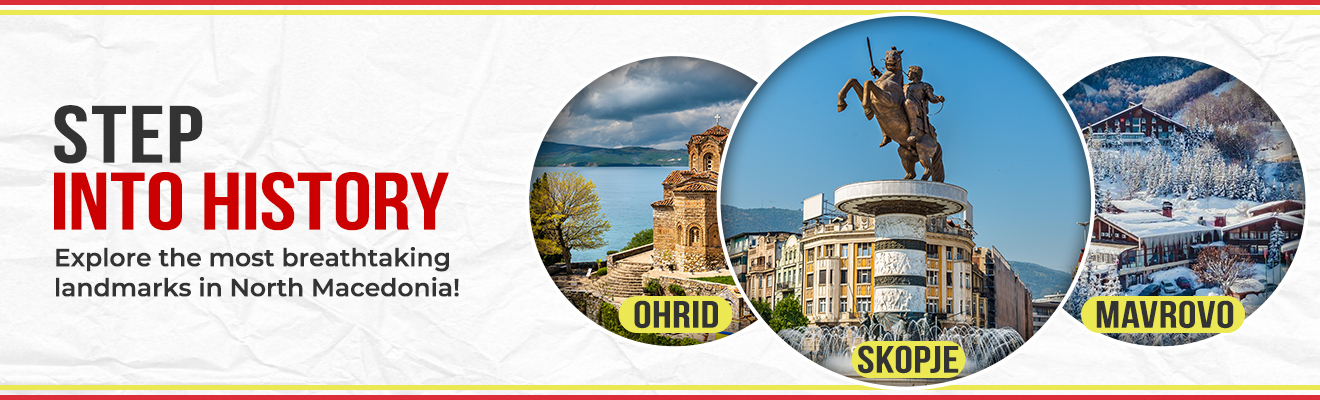
| Destination | Best For | Recommended Time |
| Skopje | History, Bazaars, Nightlife | Spring/Autumn |
| Ohrid | Lakes, UNESCO Sites, Festivals | Summer |
| Mavrovo | Skiing, Hiking, Nature | Winter/Summer |
| Bitola | Ottoman Architecture, Café Culture | Late Spring |
| Tikveš Region | Wine Tasting, Agrotourism | September/October |
Irrespective of when you choose to visit North Macedonia, the country’s warm hospitality and time-honoured customs remain constant. Abiding by these travel tips and aligning your trip to lock in one of the local festivals, you’re assured an experience that senses both archaic and contemporary.
North Macedonia is a place that accolades those who avoid the typical European tourist routes. As the country persist to develop its sustainable tourism and digital infrastructure, there could not be a better and optimized time to explore its hidden monasteries, world-class wineries, and robust city life. We at Insights Kolekr hope this guide helps you plan an indelible voyage through the heart of the Balkans.

Introduction In 2025, search engines are evolving beyond indexing pages:...
February 27, 2026

In recent years, remote work in Croatia has shifted from...
February 16, 2026

Something interesting is happening across southeastern Europe. While the usual...
February 16, 2026
For decades, the dream of moving to Europe has looked...
February 16, 2026