

With European car demand fluctuating and margins under pressure, manufacturers of car parts in Albania are navigating a delicate shift from cost-based competitiveness to structural adaptation.
 Jacopo Romanelli



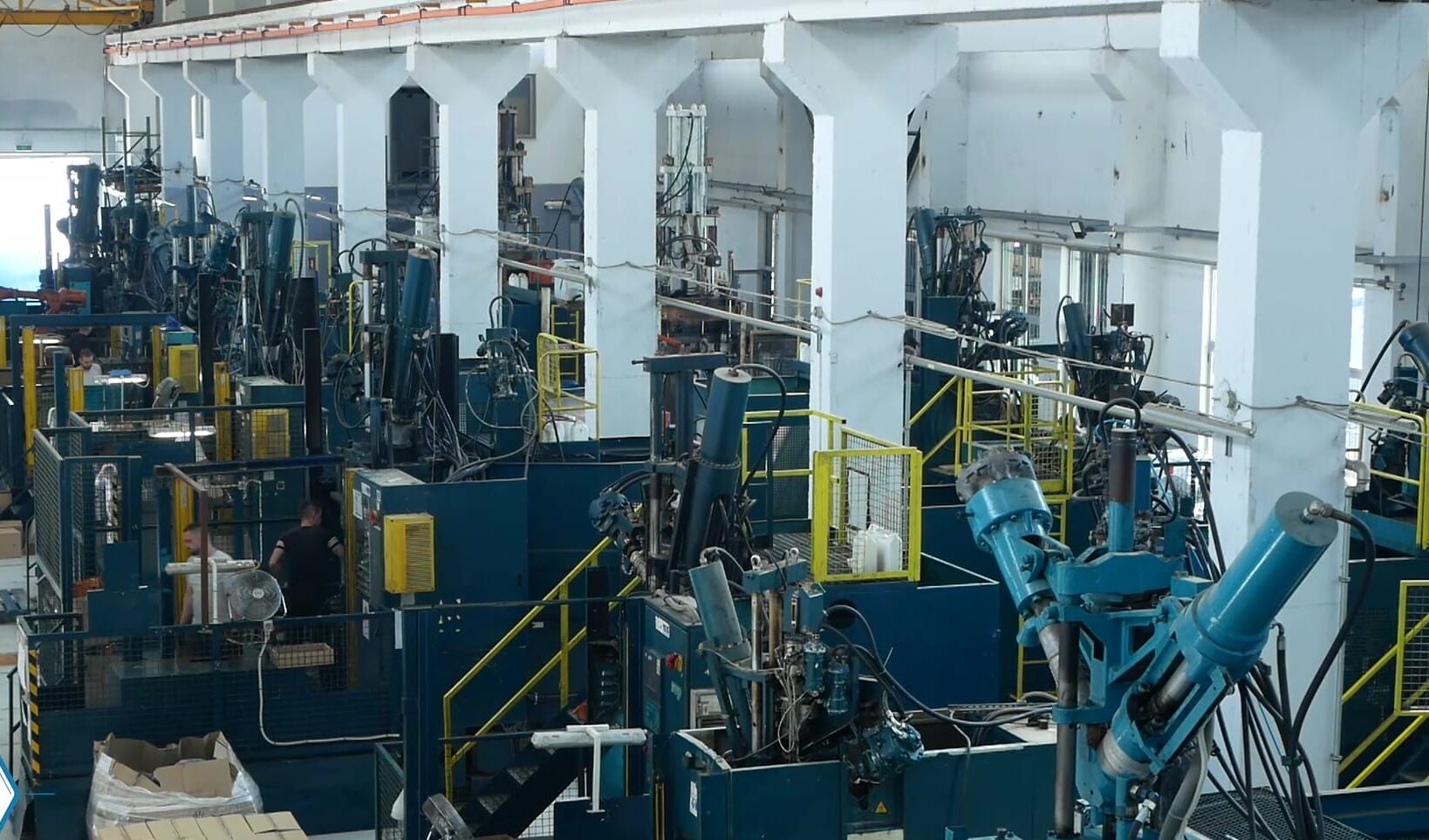
Albania’s automotive support industry emerged roughly a decade ago as one of the country’s most promising export-driven sectors.
The outlook appeared bright, as the sector weathered the COVID-19 pandemic to post growth of 72 per cent in 2022 and a further 20 per cent in 2023. That year, Albanian media trumpeted World Bank predictions that the country had the potential “to become an attractive destination for companies producing automotive parts” because of its pool of cheap labour and geographical proximity to European markets.
Companies including Yura Corporation, SEWS Cabind Albania, Forschner Albania, Delmon Group Albania and PSZ Albania all established production bases employing hundreds and, in some cases, thousands of workers.
It didn’t last, however. In 2024, revenues of the five main operators contracted by 1.6 per cent, a slowdown attributed to a convergence of global and domestic pressures. By last year, the uncertainty had become structural.