
Crypto companies are “an obvious contender” to replace betting firms as main shirt sponsors when the Premier League ban on gambling brands kicks in next year. More than half of English top-flight teams need new main sponsors for the 2026-27 season and market intelligence platform Caytoo says that it is
 Frank Dalleres



Friday 24 April 2026 12:01 am | Updated: Thursday 23 April 2026 2:29 pm
Crypto companies are “an obvious contender” to replace betting firms as main shirt sponsors when the Premier League ban on gambling brands kicks in next year.
More than half of English top-flight teams need new main sponsors for the 2026-27 season and market intelligence platform Caytoo says that it is surprising that no crypto brand has yet taken the prime slot.
“The Premier League’s gambling ban will result in a more varied portfolio of sponsors and one with a more familiar feel,” said Alex Burmaster, Caytoo’s head of research and insights.
“The early indications, led by Bournemouth and Brentford, are that clubs are initially looking at current training, stadium or sleeve partners to fill the void.
“Crypto is an obvious contender and it’s surprising they haven’t yet stepped up to the plate for front of shirts.
#mc_embed_signup { background: #fff; clear: left; font: 14px Helvetica, Arial,sans-serif; width: 100%; max-width: 600px; margin: 20px 0; } #mc-embedded-subscribe-form { margin: 20px 0 !important; } .newsletter-form-flex { display: flex; gap: 0; align-items: center; margin-top: -10px; } .newsletter-form-flex input[type=”email”] { flex: 1; padding: 2px 10px; border: 1px solid rgb(18, 22, 23) !important; border-radius: 12px 0 0 12px !important; } .newsletter-form-flex input[type=”submit”] { padding: 4px 10px !important; margin: 0 !important; background-color: rgb(18, 22, 23) !important; color: rgb(255, 255, 255) !important; border: 1px solid rgb(18, 22, 23) !important; border-radius: 0 12px 12px 0 !important; } .newsletter-banner-content { margin-bottom: 15px; } .newsletter-banner-content h2 { margin: 0 0 10px 0; font-size: 18px; font-weight: 600; } .newsletter-banner-content p { margin: 0 0 10px 0; line-height: 1.5; } .newsletter-banner-content ul, .newsletter-banner-content ol { margin: 0 0 10px 20px; } .newsletter-banner-content a { color: #0073aa; text-decoration: none; } .newsletter-banner-content a:hover { text-decoration: underline; } .newsletter-banner-content img { max-width: 100%; height: auto; margin: 10px 0; } #mc_embed_signup #mce-success-response { color: #0356a5; display: none; margin: 0 0 10px; width: 100%; } #mc_embed_signup div#mce-responses { float: left; top: -1.4em; padding: 0; overflow: hidden; width: 100%; margin: 0; clear: both; }
“Often forecast as the ‘next gambling’, they’re already a Top 5 sponsor across all Premier League club’s sponsors, they’ve also plenty of money, are often based in offshore tax havens and heavily target Asian audiences.”
The Premier League’s ban on betting brands as front-of-shirt sponsors is a voluntary move that was agreed and announced three years ago amid concern about gambling harm.
Brentford this week announced they would replace Hollywoodbets with Indeed, following Bournemouth’s confirmation that Vitality will succeed bj88.
Both Indeed and Vitality are existing club partners with sponsorship rights, respectively, to Brentford’s training kit and Bournemouth’s stadium.
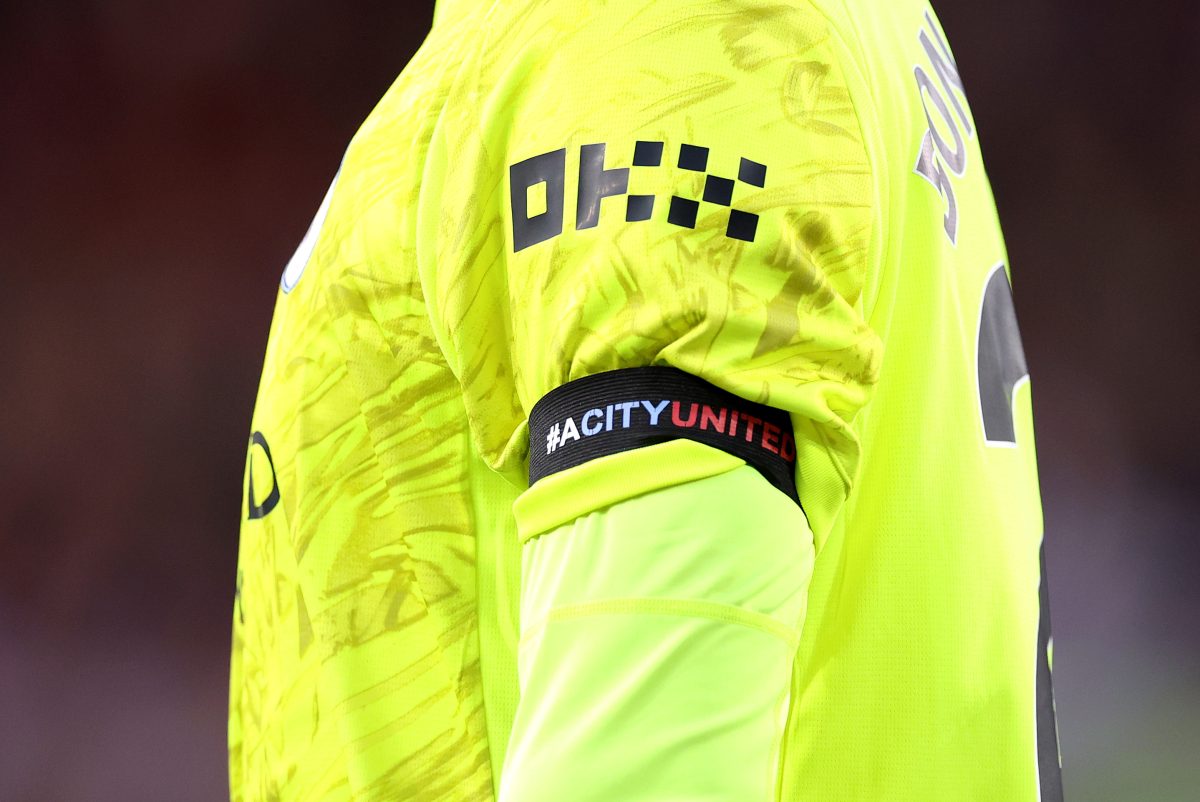
Crypto companies have shown recent signs of renewed appetite for sports sponsorships, with Bing X renewing its training kit deal with Chelsea and Nexo partnering with the Argentinian Football Association this month.
Read more Gucci, BYD, Netflix: Who replaces gambling on Premier League shirts? Consumer brands replacing b2b firms on shirts
Consumer-facing brands are well placed to replace betting brands in the Premier League, having rallied against b2b companies in the market for sponsorship of England’s top football, rugby and cricket teams.
Caytoo’s latest annual study, published today, found that the six fastest-growing sectors in clubs’ front-of-shirt sponsors in the last five years target people rather than businesses.
These include the ubiquitous gambling companies but also hotels and cruise lines, clothing and footwear, and home and garden brands.
Three of the four sectors to show the biggest decline, meanwhile, are business-facing, such as energy companies, specialist business services, and logistics firms.
“This fightback is driven by various factors, such as deals becoming more sophisticated in how consumer brands can ‘activate’ the sponsorship, particularly through digital channels,” said Burmaster.
“This makes it easier to measure the return on investment so they’re more comfortable signing a deal. There’s also the ‘entertainment-ification of sports’ – think what cricket’s The Hundred is doing – which fits more with consumer brands.
“Fanbases are also becoming more international, which is slightly easier for them [consumer-facing companies] to harness than business-to-business firms. Overall, it’s resulting in a more familiar feel for fans towards the companies ‘badging up’ their teams.”
Betting companies remain by far the most common sector in front-of-shirt sponsorship, with 15.5 per cent market share. The next most prevalent is construction firms, with five per cent.
But that hegemony is set to be challenged next year when the Premier League’s voluntary ban takes effect and forces change at 11 of the 20 clubs.
Read more Darts drives Matchroom profit as promoter warns of gambling law impact
Similarly tagged content: Sections Categories People & Organisations