
Major increase identified in ECB’s longstanding expert study, but hopes it will be short lived depend on Iran war ending Timely insight into inflation flashed across traders screens on Monday from the European Central Bank, as rising oil prices were back at the top of the agenda with tensions spiking
 Michael Hunter



Monday 04 May 2026 1:34 pm
Major increase identified in ECB’s longstanding expert study, but hopes it will be short lived depend on Iran war ending
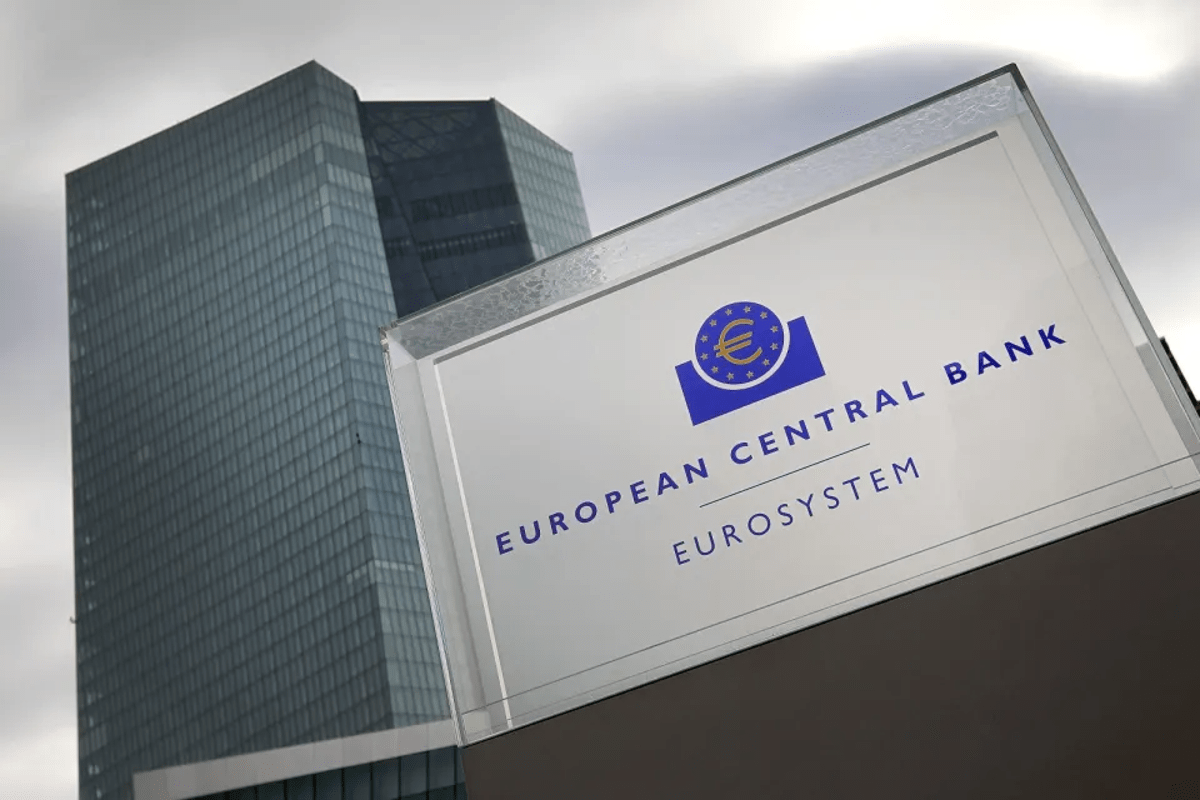
Timely insight into inflation flashed across traders screens on Monday from the European Central Bank, as rising oil prices were back at the top of the agenda with tensions spiking higher in the Gulf.
The ECB’s latest Survey of Professional Forecasters found experts expect inflation to surge this year, striding to an average of 2.7 per cent, fuelled by higher energy prices. That amounts to a major rise from the 1.8 per cent identified last time around.
Expectations for economic growth were trimmed, to 1 per cent for 2026, down from 1.2%.
A range of cutting-edge expertise informs the influential quarterly research, which is considered as part of the ECB’s Governing Council meetings to set interest rates, chaired by Christine Lagarde.
#mc_embed_signup { background: #fff; clear: left; font: 14px Helvetica, Arial,sans-serif; width: 100%; max-width: 600px; margin: 20px 0; } #mc-embedded-subscribe-form { margin: 20px 0 !important; } .newsletter-form-flex { display: flex; gap: 0; align-items: center; margin-top: -10px; } .newsletter-form-flex input[type=”email”] { flex: 1; padding: 2px 10px; border: 1px solid rgb(18, 22, 23) !important; border-radius: 12px 0 0 12px !important; } .newsletter-form-flex input[type=”submit”] { padding: 4px 10px !important; margin: 0 !important; background-color: rgb(18, 22, 23) !important; color: rgb(255, 255, 255) !important; border: 1px solid rgb(18, 22, 23) !important; border-radius: 0 12px 12px 0 !important; } .newsletter-banner-content { margin-bottom: 15px; } .newsletter-banner-content h2 { margin: 0 0 10px 0; font-size: 18px; font-weight: 600; } .newsletter-banner-content p { margin: 0 0 10px 0; line-height: 1.5; } .newsletter-banner-content ul, .newsletter-banner-content ol { margin: 0 0 10px 20px; } .newsletter-banner-content a { color: #0073aa; text-decoration: none; } .newsletter-banner-content a:hover { text-decoration: underline; } .newsletter-banner-content img { max-width: 100%; height: auto; margin: 10px 0; } #mc_embed_signup #mce-success-response { color: #0356a5; display: none; margin: 0 0 10px; width: 100%; } #mc_embed_signup div#mce-responses { float: left; top: -1.4em; padding: 0; overflow: hidden; width: 100%; margin: 0; clear: both; }
The survey for the second quarter also identified hope that the shock will be short-lived.
Received wisdom compiled from the 56 respondents found that that inflation would ease to 2.1 per cent next year, before hitting the Governing Council’s official 2 per cent target in 2028, before staying there in the “longer term”.
Participants are “experts affiliated with financial and non-financial institutions based in Europe”, the ECB pointed out, and the findings from the research are separate from the central bank’s in-house projections.
Read more Bank of England: Businesses sharply raise inflation expectations
Optimism over the duration of the inflation shock will depend on the duration of the Iran war.
Interest rate hikes more likely
The study was carried out between 31 March and 8 April, significantly before Iran threatened to attack any US vessels carrying out President Donald Trump’s pledge to protect tanker traffic through the Strait of Hormuz in what he called “Operation Freedom”.
The fresh threats ripples through global markets on Monday, adding to the drama over the outlook for inflation. Oil prices headed back toward multi-year highs on Monday as the rhetoric between Tehran and Washington reverberated across global markets.
Interest rate hikes are seen as more likely as higher energy costs generate a wider wave of higher prices.
At last week’s set-piece monetary policy meeting, the ECB left the base cost of borrowing in the shared currency area steady, with its main financing operations rate unchanged at 2.15%.
But it was also seen as moving closer to a June hike. At the press conference following the last rate call, Lagarde conceded there were “intensified” risks of both slower growth and rising inflation.
“The longer the war continues and the longer energy prices remain high, the stronger is the likely impact on broader inflation and the economy”, she warned.
The Survey of Professional Forecasters has been around longer than the euro’s notes and coins. It was first carried out in 1999, while the physical currency made its debut in 2002 for the 12 founding nations. There are now 21 states in the euro area.
Read more UK services sector hit with record cost inflation spike after fuel prices surge
Similarly tagged content: Sections Categories People & Organisations