
The EU Commission wants to use its Global Gateway investment programme to finance healthcare projects across Africa, but sharp drops in aid budgets risk leaving millions to die.
 Benjamin Fox



The EU has unveiled more than €100m in cash to boost healthcare across Africa, at the same time as falling aid budgets are hitting services.
The cash, unveiled by the EU’s international partnerships commissioner Jozef Sikela on Wednesday (22 April) under the bloc’s Global Gateway infrastructure investment arm, has been earmarked for projects to strengthen national public health institutes, enhance health security, and expand digital health solutions for pandemic preparedness and primary healthcare across Africa.
The EU Commission has repeatedly promised to work with the African Union and the Africa Centre for Disease Control and Prevention in building the continent’s pharmaceutical industry and capacity to manufacture vaccines, as well as harmonising regulation as part of the African Continental Free Trade Area.
It has also provided funding and technical support for the AU’s plans to set up an African Medicines Agency that would co-ordinate regulation of health care and medicines, modelled on the Amsterdam-based European Medicines Agency.
Sikela said in a statement that the funding was aimed at “increasing Africa’s ability to detect outbreaks, respond to pandemics and manage its own health priorities.”
The EU wants to use Global Gateway to fund vaccine production and health infrastructure in Africa in an attempt to move the continent away from dependency on vaccine donations. For their part, AU leaders have committed to manufacturing 60 percent of routine vaccines by 2040.
The commission has also promised to publish a Global Health Resilience Initiative before the end of June.
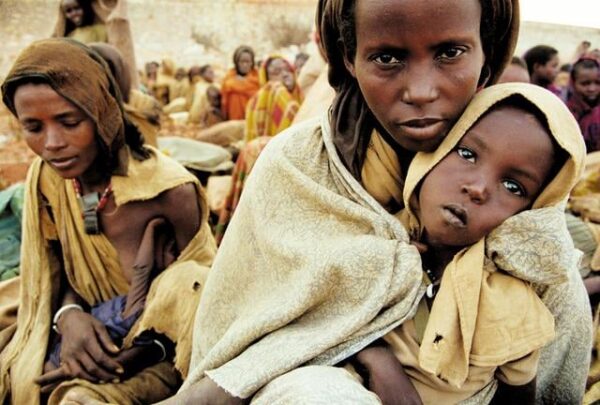
However, despite the new EU initiatives, developing countries are already counting the cost of major cuts to development budgets from donor countries and the EU. Last year, US official development assistance dropped by 56.9 percent and from the EU institutions by 13.8 percent, according to data published earlier this month by the Organisation for Economic Cooperation and Development.
A peer-reviewed study published by the Lancet health journal last July, warned that there would be 14 million additional deaths as a result of USAID cuts alone.